
 E-Paper



Bengal, UP, Tamil Nadu on list as voter roll revision SIR begins in 12 states, UTs: Here's what that means on the ground
Last SIR was held over two decades ago, CEC Gyanesh Kumar said at press conference in Delhi; he noted that SIR has been carried out 8 times between 1951 & 2004

 Prefer HTon Google


The Election Commission of India (EC) has announced a nationwide Special Intensive Revision (SIR) of voter rolls starting October 28, and planned to conclude by February 7, 2026.
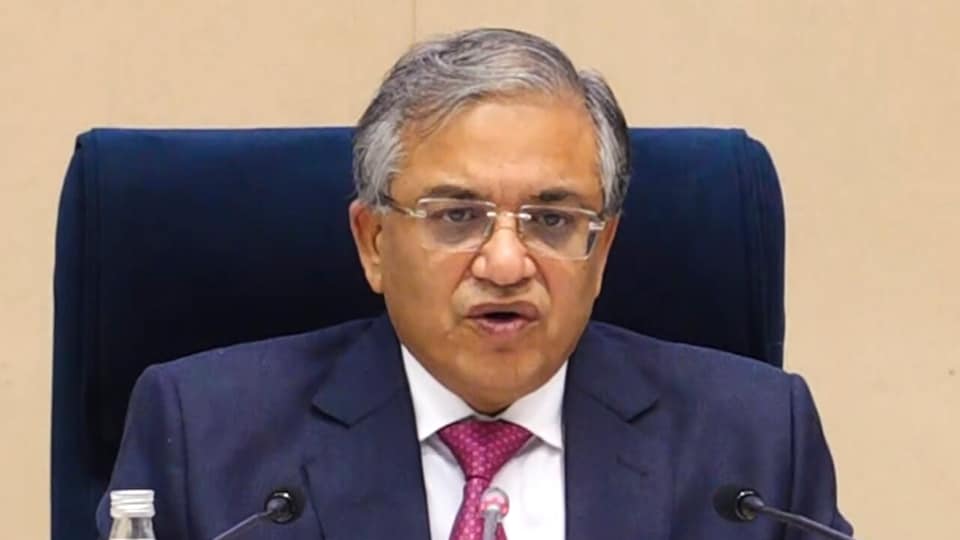
It will start with 12 states and union territories in what is being seen as Phase 2 of SIR. The SIR held in Bihar recently was Phase 1, Chief Election Commissioner (CEC) Gyanesh Kumar announced. Follow LIVE updates.
List of 12 states and UTs covered in SIR starting Oct 28
- Andaman and Nicobar
- Chhattisgarh
- Goa
- Gujarat
- Kerala
- Lakshadweep
- Madhya Pradesh
- Puducherry
- Rajasthan
- Tamil Nadu
- Uttar Pradesh
- West Bengal
Also read | SIR expands to more states, UTs after Bihar: Here's a step-by-step guide
The last SIR was held over two decades ago, Gyanesh Kumar said at the Monday press conference in New Delhi. He said SIR has been carried out eight times between 1951 and 2004.
As first step that begins immediately voters in these states will be matched against the 2002/03/04 voting lists.
Key dates for SIR in 12 states/UTs
- Printing/Training: October 28 to November 3
- House to house enumeration phase: November 4 to December 4
- Publication of draft electoral rolls: December 8
- Claims and objection period: December 9 to January 8, 2026
- Notice phase: December 9 to January 31, 2026
- Publication of final electoral rolls: February 7, 2026
At the pre-eumeration stage, enumeration forms for this will be filled out by booth-level officers (BLOs) who will go door-to-door at least thrice for each voter. Those temporarily having migrated, or busy during office hours, can fill these details online by themselves.
“SIR will ensure no eligible elector is left out and no ineligible elector is included in poll rolls,” CEC Gyanesh Kumar said.
Those who are found — or their parents are — in the 2003 rolls need not give further proofs; only the enumeration form would do. You can look through the 2003 (in come cases 2002 or 2004) rolls on the respective state/UT's election website.
Aadhaar will only be used as identity proof, as per directions of the Supreme Court that came during the Bihar SIR.
Proofs include the following (list indicative, EC can expand):
- Any Identity card/Pension Payment Order issued to regular employee/pensioner of any central/state govt/PSU
- Any Identity Card/Certificate/Document issued in India by Government/local authorities/Banks/Post Office/LIC/PSUs prior to 01.07.1987.
- Birth Certificate issued by the competent authority.
- Passport
- Matriculation/educational certificate issued by recognised boards/universities
- Permanent residence certificate issued by competent state authority
- Forest rights certificate
- OBC/SC/ST or any caste certificate issued by the competent authority
- National Register of Citizens (wherever it exists)
- Family register prepared by state/local authorities
- Any land/house allotment certificate by government
- Aadhaar (for identity only)


