
 E-Paper



Intel shows Jaish, Lashkar planning large-scale terror attacks in winter
Other inputs indicate that LeT’s commander Abu Uzail has claimed that India would soon face a deadly suicide attack.

 Prefer HTon Google


Pakistan-based terror groups Jaish-e-Mohammed (JeM) and Lashkar-e-Taiba (LeT) are preparing for large-scale terror strikes against India in the coming winter, according to the latest intelligence reports. The strikes are aimed at preventing the return to normalcy of what is now the Union Territory of Jammu and Kashmir and to test the mettle of the Narendra Modi government.
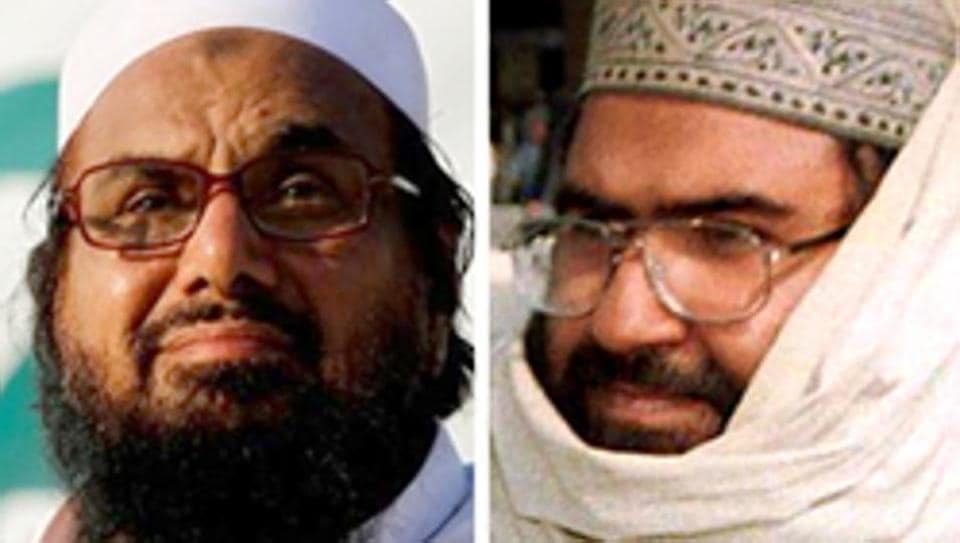
HT learns that inputs conveyed to the government by intelligence agencies suggest that the Jaish leadership has asked its trained and indoctrinated terrorists to report at its Markaz Usman-o-Ali headquarters at Bahawalpur this week as a precursor to possible Fidayeen attacks in India.
HT has been briefed on the inputs by top officials at security agencies who asked not to be named.
Bed-ridden Jaish chief Masood Azhar and his younger brother or de facto chief Mufti Abdul Rauf Asghar are both at Bahawalpur currently.
Other inputs indicate that LeT’s commander Abu Uzail has claimed that India would soon face a deadly suicide attack.
The inputs also say that Pakistan-sponsored terror groups will make renewed attempts to send their cadres across the Line of Control (LoC) after October 26— the day that J&K’s erstwhile ruler signed the instrument of accession that made the former princely state a part of India.
While the home ministry and security agencies have largely managed to keep the region out of harm’s way since August 5, national security planners believe that the Pakistan-based groups will attempt a strike this winter to prove their relevance and dominance.
On August 5, the Indian parliament passed laws and resolutions to split the region of Jammu and Kashmir into two Union territories — J&K and Ladakh (they came into being on October 31) — and scrapped special privileges that the state enjoyed.
Rawalpindi General Headquarters, the nerve Centre of the Pakistani armed forces, has apparently given the green signal to selective infiltration by Jaish cadres into India.
Officials in Indian security agencies say that due to the counter-insurgency grid in place since August 5, and the risk of interception of its cadre while moving from international borders to the Valley, there has been little or no Jaish infiltration in the Sialkot sector over the past three months.
Intelligence reports have specifically highlighted the movement of 20 Jaish cadres, led by seven Afghan commanders, towards forward launching pads across the LoC in Pakistan for possible infiltration into the Valley. Incidentally, the same cadres were detained by the Pakistan army in the second week of October and sent back to their camp at Balakot, Manshera, Khyber Pakhtunkhwa. The Balakot camp was struck by Indian Air Force jets on February 26 in retaliation for the February 14 Jaish attack on a Central Reserve Police Force convoy in Pulwama.
Right now, terrorists active in the Valley including mixed cadres led by the Jaish are trying to create terror by pin-pointedly targeting outsiders. Meanwhile, the LeT leadership has again become active with Hafiz Saeed’s number two Abdul Rehman Makki delivering the Friday sermon from Jamaat-ud-Dawa Markaz Al Qadsia, Lahore on October 18. Carrying a bounty of $2 million on his head, Makki made his first public appearance to deliver the sermon after his arrest on May 15, 2019.
As expected, the arrest and detention of LeT leaders is a bit of an eyewash with LeT chief Hafiz Saeed, Makki, Zafar Iqbal (head of education wing), Yahya Aziz (spokesperson), finance heads Haji Ashraf and Mohammed Bhutvi all under house arrest or detention at the Qadsia mosque at Chowburji in Lahore rather than any Pakistani prison.
That’s left them free to foment trouble which, intelligence agencies say, is coming India’s way soon.


