Interview: ‘Have lost states to superior money’, says Cong MP Abhishek Manu Singhvi
“A lot of the states are stolen, majority is manufactured by an immoral BJP. Yes, we have lost these states because of superior money power of the BJP. I can now see where the 95% of the funds of the electoral bonds are being used,” said Abhishek Manu Singhvi.
Senior lawyer and Congress MP Abhishek Manu Singhvi has been part of some of the high-profile legal battles in recent years. Singhvi, who was recently inducted into the Congress Working Committee, in an interview with Saubhadra Chatterji, shares his experiences as a legal expert and a key leader of the opposition party.
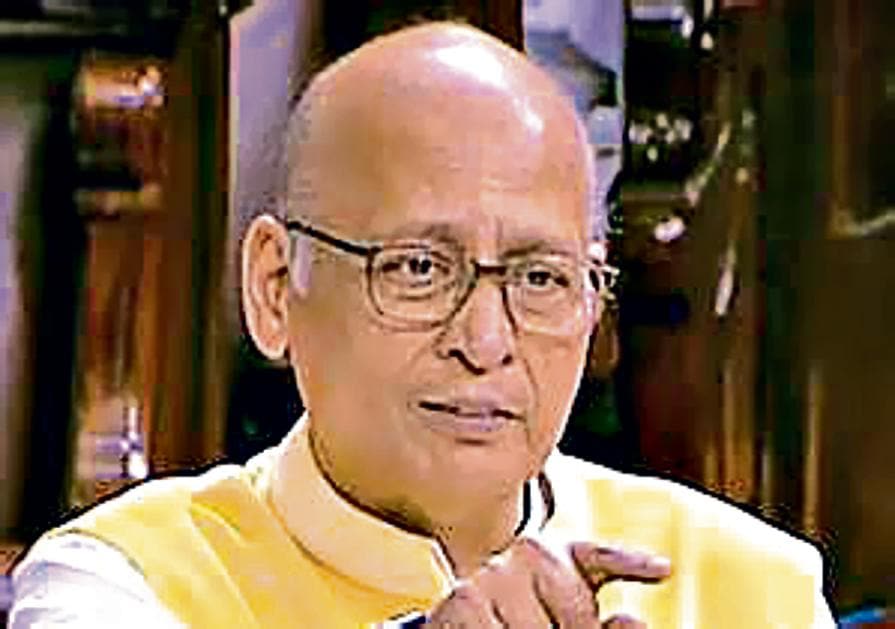
Congress MP Abhishek Singhvi (ANI Photo/Sansad TV)
Excerpts:
Your book ‘From the Trenches’ has details of the legal battle in Karnataka government formation in 2018. You won the case but a year later, the BJP returned to power.
The intellectual thrill and excitement of a case well fought, irrespective of the result, is difficult to explain. A lot of these cases, including Karnataka, gave me that immense satisfaction. Quite frankly, the political outcome dejects me but doesn’t detract me in any manner from what happens in the court.
From Karnataka to Maharashtra, non-BJP parties have not able to retain power in many states.
A lot of the states are stolen, majority is manufactured by an immoral BJP. Yes, we have lost these states because of superior money power of the BJP. I can now see where the 95% of the funds of the electoral bonds are being used. We lost some states because of the climate of fear, successfully created by the Modi government by the misuse of central agencies.
In the book, you also wrote about the Tata Sons vs Cyrus Mistry case. Does it require an entirely different preparation when you fight such cases vis-à-vis political ones?
The syntax, the idioms and the canvas of these cases are very different. One straddles in commercial laws, nitty gritty, issues such as commercial law. The other one is largely the Constitution, the public laws and its canvas is humongous. The gaps where creativities can operate are also much more in public laws.
What is your take on the SC’s observations on July 1 on Nupur Sharma that have led to intense discussion on social media?
Firstly, nobody is suggesting that these observations are binding. Therefore, the criticism against the apex court is totally unwarranted. Also, when you decide to approach the Supreme Court for its beneficial protection, you must necessarily run the risk of not only dismissed but also of suffering oral observations which are part of the jurisdiction of the court.
In the present case, what the court said was extremely important as it showed they are not satisfied despite the binding nature of another judgment that was cited to seek relief. It was something that should have come from the apex court much earlier as SC is very much part of the dialectics of Indian democracy.
Your book mentions about the Sabarimala case. As a lawyer, how do you deal with the risk of representing an issue in which your party has taken an opposite stand?
The unfortunate and sad truth is, yes, though I don’t agree with the principal at all. I have suffered on that account twice. My love for animals came in direct conflict when I appeared for Jallikattu case.
My belief is, a lawyer can’t choose or judge their clients. I always like to give the example of the Indira Gandhi assassination case. No one thought that any of the accused stood a chance but Ram Jethmalani pursued the case and it even cost him his membership in the BJP national executive.
Your nomination to the CWC comes when many leaders in your party are asking for election, and not nomination, in the CWC.
There is always be, and should be, a mixed component in the supreme decision-making bodies. That combination includes nominees, elected leaders and invitees. I agree with you that CWC should have elected leaders and that will soon happen in the upcoming organisational polls.
The Presidential election once again highlighted uneasiness of many Opposition parties to join hands with the Congress. Are you still hopeful of an opposition unity in 2024?
No party has suggested that the Congress can be kept away from an Opposition combination. Even if any party harbours such ideas, it would be self-defeating. Remember, at the peak of its popularity, BJP still commands not more than 39% votes. In 2024, it has to be an alliance at the state levels. Leadership issue is irrelevant now. We have to adopt a scientific way of allocating seats among our partners to defeat the BJP.
Get the latest India News, breaking headlines and real-time updates from across the country. Stay informed about politics, government policies, crime, weather and major national developments.
Home/India News/Interview: ‘Have Lost States To Superior Money’, Says Cong MP Abhishek Manu Singhvi

 E-Paper