
 E-Paper



Jaishankar leaves for Russia via Tehran, agenda is Taliban in Afghanistan
Foreign minister S Jaishankar's visit to Moscow will also be constructive as India and Russia are both for stabilisation of Afghanistan, after the withdrawal of US-NATO forces.

 Prefer HTon Google


Prime Minister Narendra Modi will reshuffle his Cabinet today but it is business as usual for the government with External Affairs Minister (EAS Jaishankar leaving for a bilateral visit to Moscow via Tehran with developments in Afghanistan top of the agenda. The EAM will be making a fuel stop in Iran on the sidelines of which there could be an official meeting with the government in Tehran.
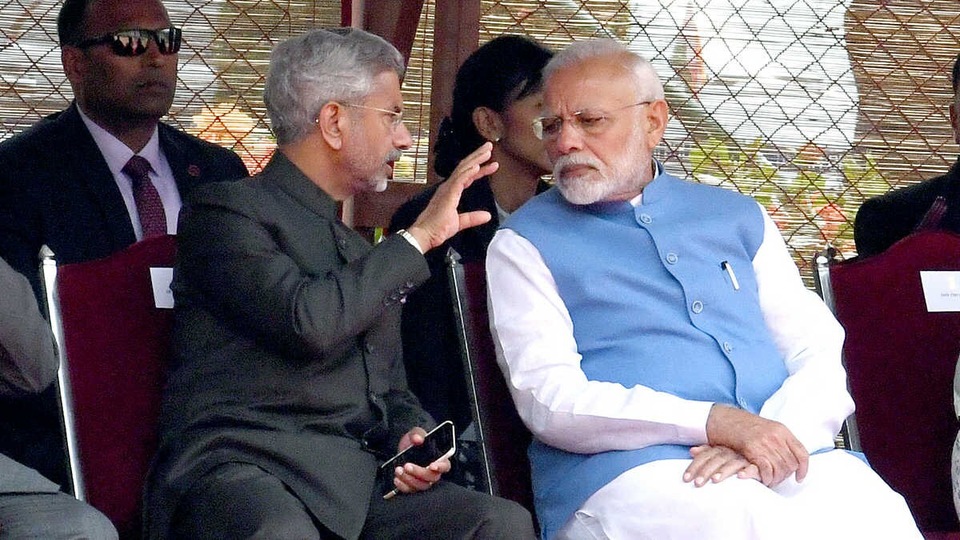
According to sources based in Moscow, the EAM will be holding a bilateral meeting with his Russian counterpart Sergey Lavrov to cement ties as well as prepare for President Vladimir Putin’s forthcoming visit to India for the annual summit. While the EAM will have a first hand account of the Biden-Putin June 16 meeting in Geneva, the topic of concern will be the rise of Taliban in Afghanistan and its impact on the Indian sub-continent and volatile Central Asia. The EAM will also be co-chairing a joint commission meeting with Russian Deputy PM to deepen economic cooperation.
The EAM, who returned from the G-20 foreign ministers meeting in Italy on July 2, found India’s G-20 partners keenly interested in economic recovery of the country post second wave of Covid-19. They, however, were confident that India will be able to overcome the pandemic through rapid vaccination of the masses. Fact is that EAM Jaishankar found the mood of G-20 partners towards India under Modi was far more positive than the doomsday predictors within the country.
The G-20 ministerial was preceded by the EAM paying a bilateral visit to Greece, which has always supported India in the UN and has been a close ally. Jaishankar’s visit coincided with bilateral naval exercises in Mediterranean between Indian and Greek Navy. While Jaishankar made it a point to visit Greece for its support, there was a subtle message for Turkey from India that the two can play. Turkey under Erdogan has joined hands with Pakistan by conjuring up past memories of Ottoman revival and has taken position against India.
The EAM’s visit to Moscow will also be constructive as India and Russia are both for stabilisation of Afghanistan, after the withdrawal of US-NATO forces. While the Taliban have launched an offensive against Ashraf Ghani government in Kabul, India will neither evacuate its citizens or its diplomats from the country which is hurtling towards civil war. Moscow too is concerned about the rise of Taliban as it directly impacts the security of Central Asia and beyond. This is one area where even Tehran is on the same page as rise in Taliban atrocities could mean a flood of Afghan refugees in Zahedan region of Iran.


