
 E-Paper



Jaishankar to meet Wang Yi: Afghanistan and Ladakh situation on the plate
While PLA wants to discuss disengagement and de-escalation from Gogra-Hot Springs only and leave Depsang as a 2013 legacy issue, the Indian side is clear that all issues are on the table.

 Prefer HTon Google


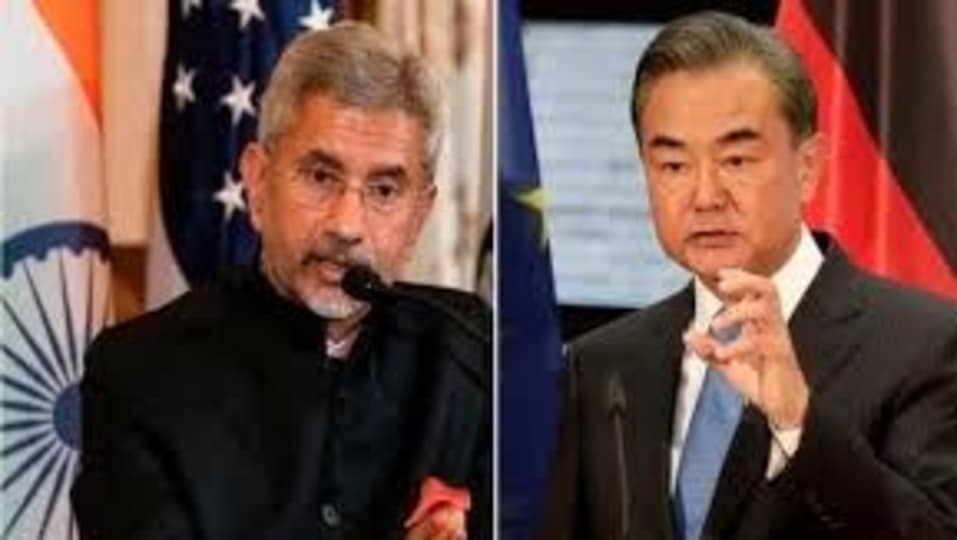
External Affairs Minister S Jaishankar will meet his Chinese counterpart and State Councilor Wang Yi on the sidelines of the SCO foreign ministers meeting in Dushanbe to discuss the unfolding security situation in Afghanistan and discuss the ways to fast track de-escalation and disengagement in East Ladakh. Jaishankar leaves for Dushanbe, Tajikistan, today and will also be attending an international meeting on connectivity between south and central Asia in Uzbekistan.
The focus of SCO Dushanbe meeting will be Taliban offensive in Afghanistan with the fundamentalist force encircling the Afghan nation by capturing the two land routes to Tajikistan over Amu Darya and another one to Iran via Herat. It is quite evident that the largely Sunni Pashtun force will try and capture the land route from Mazar-e-Sharif to Termez in Uzbekistan too after which it will launch an offensive towards Kabul from all the directions forcing the Afghan Army to surrender or get killed. The brutal killing of surrendered Afghan Army commandoes, shown on western TV networks, shows that the fundamental nature of Taliban has not changed 20 years after it was evicted by the US forces in 2001.
While the agenda of the SCO ministerial meeting is the security situation in Afghanistan and its ramifications on neighbouring South and Central Asia, EAM Jaishankar will also discuss the East Ladakh situation with foreign minister Wang Yi as the PLA is dragging its feet on disengagement and de-escalation in East Ladakh. It is understood that the dates for the 12th round of senior military commanders meeting will be finalized after the two foreign ministers speak on the way forward.
The PLA wants the senior commanders to discuss on disengagement from Gogra-Hot Springs area near Kongka La and leave the Depsang Bulge to the local commanders as it claims that it is a 2013 legacy issue. However, the Modi government is very clear that the Depsang Bulge issue should also be discussed as the PLA is blocking the ingress route to the area and not allowing the Indian Army to patrol points 10 to 13 in the region. “As the Depsang and Gogra-Hot Springs situation has been created due to PLA transgressions, it is important that the military commanders find a resolution to the aggravated situation as armies on both sides are packed up on either side of Line of Actual Control in East Ladakh,” said a senior official. The Depsang Bulge area is south of Daulet Beg Oldi (DBO) area between the Indian Darbu-Shyok-DBO road and Chinese built Tainkong Highway on the other side.
India and China will also discuss the Afghanistan situation with the Taliban unilaterally giving assurances to Beijing that they will not allow Uighur militants territory to operate against “friend” China through the Wakhan Corridor.


