
 E-Paper



Jan Aushadhi centres helped make medicines affordable: PM Modi
India sold generic medicines worth ₹8,000 crore in the financial year 2021-22 under the Pradhan Mantri Bhartiya Janaushadhi Pariyojana, leading to savings of roughly ₹5,000 crore, the PM said


India sold generic medicines worth ₹8,000 crore in the financial year 2021-22 under the government’s Pradhan Mantri Bhartiya Janaushadhi Pariyojana, leading to savings of approximately ₹5,000 crore, Prime Minister Narendra Modi said on Monday during an interaction with Jan Aushadhi Kendra owners and beneficiaries.
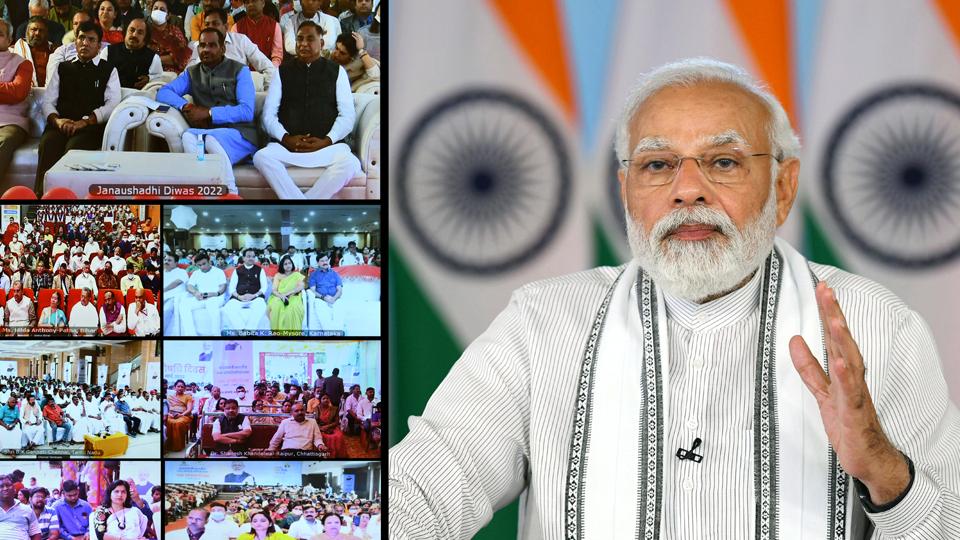
Jan Aushadhi week is being celebrated across the country from March 1 to generate awareness about the usage of generic medicines and the benefits of Jan Aushadhi Pariyojana (scheme).
“…as of now, more than 8,500 Jan Aushadhi Kendras have been opened in the country. If we look at the current financial year’s figures, there has been a sale of ₹8,000 crore through Jan Aushadhi kendras. It means there have been savings of around ₹5,000 crore for people belonging to poor and middle class… in total, there have been savings worth ₹13,000 crore so far, and the amount has been increasing each year… These centres are now becoming solution centres for the common man and not just another government store…” said the Prime Minister.
He also interacted with several beneficiaries on the occasion.
“I used to spend nearly ₹1,200-1,500 for my sugar and BP (blood pressure) medicines each month, which has come down to about ₹250-300 since I started purchasing medicines from a Jan Aushadhi store. The scheme has benefitted me a great deal. I spend the savings on social causes,” said Hilda Anthony, a beneficiary based out of Patna.
The overall product basket currently comprises 1,451 drugs and 240 surgical products and consumables. Medicines available under the scheme are priced 50-90% lesser than branded counterparts.
The government has set a target to increase the number of stores all across the country to 10,500 by March 2025.
PM Modi also clarified that the products available at these stores were at par with branded products.
In a statement earlier, the Union ministry of chemicals and fertilisers said that under the scheme, medicines were procured from World Health Organization – Good Manufacturing Practices (WHO-GMP) certified suppliers for ensuring the quality of the products.
Apart from this, each batch of drugs was tested at laboratories accredited by the National Accreditation Board for Testing and Calibration Laboratories (NABL).
The government has also controlled the price of more than 800 medicines required for the treatment of diseases like cancer, tuberculosis, diabetes, heart disease. At least 500 million people are under the ambit of Ayushman Bharat Yojana, with at least 30 million people having recieved the benefit of a scheme that saved ₹70,000 crore of the poor and middle-class people, he said.
“PM National Dialysis programme has saved ₹550 crore. Knee implant and medicine price control saved ₹13,000 crore,” added Modi.


