
 E-Paper



Javelin deal to boost India-US defence ties, but tech transfer key to cutting red tape
The decision to procure 16 units of Block 1 launch units of Javelin missile system was taken by India immediately after Op Sindoor.

 Prefer HTon Google


US Ambassador to India Sergio Gor highlighted India-US defence partnership while announcing India’s plans to buy a Javelin anti-tank missile system and hinted at co-production capabilities. But there is a catch to this announcement and brings the spotlight on bureaucratic delays on part of the US administration when it comes to procurement by India under the foreign military sales route.
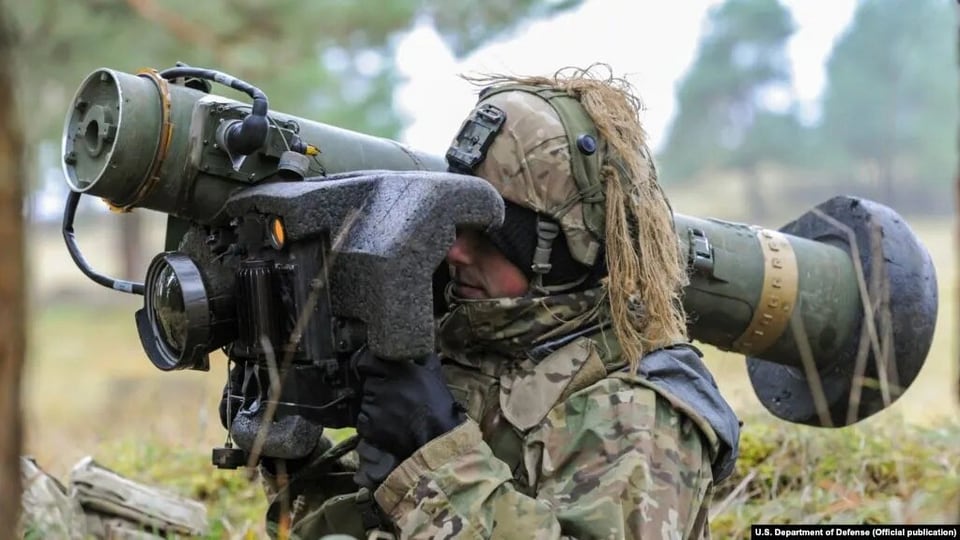
The decision to procure 16 units of Block 1 launch units of the Javelin missile system was taken by India immediately after Op Sindoor under the emergency procurement process, along with 64 FGM 148-F anti-tank guided missiles. The deal was worth mere ₹292 crore, and the delivery was to be made in one year time.
However, the contract had to be extended by the Indian Defence Ministry as the foreign military sales route approval was delayed by the US Congress. Hence, the purchase of the Javelin missile system by India was cleared this month and as such announced by Sergio Gor.
Also Read: India plans to buy US-made Javelin anti-tank missile; Sergio Gor hails it as ‘great step’ in ties
Incidentally, the Javelin shoulder fired anti-tank system story stretches way back to 2010, when this was the first transfer of technology offered by US under the Next Steps in Strategic Partnership (NSSP) agreement. But the co-production of the system was hit by the US as it refused to part with the seeker technology with India under the 100 per cent ToT (Transfer of technology) route.
To add to the misery of Indian armed forces, the DRDO wrote a letter to the then government stating that its indigenous NAG ATGM system was ready, so there was no need for either Javelin or Spike Israeli system to be procured. The DRDO as usual could not deliver on its promise of an extended range ATGM, and India was forced to purchase Spike system (in hundreds) under emergency procurement after Chinese PLA transgressed into East Ladakh in May 2020.
While Ambassador Gor’s hint at co-production is welcome as the Javelin system is top of the line, the only way to bring India-US defence partnership much closer is by America offering 100 per cent ToT under the “Atmanirbhar” Bharat route.


