E-Paper



Karnataka high court permits bike taxis in Bengaluru, revokes ban
The bench granted liberty to state government to impose additional conditions while issuing licences to transport technology aggregators under existing rules.

 Prefer HTon Google


The Karnataka high court on Friday allowed bike taxi services to operate across the state, setting aside an earlier order that had effectively halted operations of platforms such as Rapido, Ola and Uber.
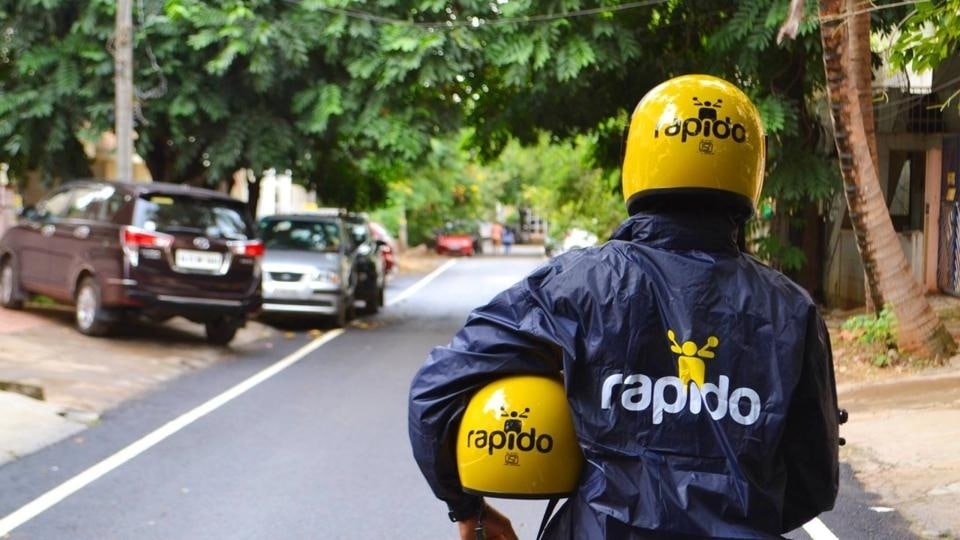
A division bench comprising chief justice Vibhu Bakhru and justice CM Joshi allowed appeals filed by Uber India, Roppen Transportation Services (Rapido), ANI Technologies (Ola), the Bike Taxi Owners’ Welfare Association and several individual bike taxi owners. The court directed transport authorities to register motorcycles as transport vehicles and grant them contract carriage permits under the Motor Vehicles Act.
Also read: Karnataka governor vs govt face-off as Gehlot reads 3 lines, walks out
“In view of the above, taxi owners are at liberty to file applications for registration of the vehicle as a transport vehicle. We direct the State government to consider such applications for registration of owners of vehicles as transport vehicles and grant permission to operate as contract carriages. While the concerned authorities are not precluded from examining the relevant aspects, the same will not be denied on the ground that motorcycles cannot be operated as transport vehicles or contract carriages. The regional transport authority may impose such conditions as it may consider necessary,” the court said.
Also read: Delhi weather: Non-stop rain drops AQI but chill feels sharper; flight ops hit, IMD alert issued
The appeals challenged an order of a single judge bench on April 2, 2025, which had restrained aggregators from operating bike taxi services. The single bench had held that, in the absence of guidelines under Section 93 of the Motor Vehicles Act and state rules, platforms such as Rapido, Ola and Uber could not function as bike taxi aggregators. It had also declined to direct the government to register motorcycles as transport vehicles or issue contract carriage permits.
Setting aside that ruling, the division bench held that authorities cannot refuse registration or permits when the Motor Vehicles Act allows two-wheelers to operate as contract carriages. The bench also granted liberty to the Karnataka government to impose additional conditions while issuing licences to transport technology aggregators under existing rules.
Also read: Ahmedabad, Noida schools receive bomb threat days before Republic Day
The single judge had earlier accepted the State’s argument that the Karnataka On-Demand Transportation Technology Aggregator Rules, 2016, apply only to four-wheeler taxi services and not bike taxis. Acting on that interpretation, the court had directed aggregators to stop bike taxi services within six weeks, later extending the deadline to June 15, 2025.
In their appeal, the petitioners argued that the State cannot deny registration or permits on the “guise of a policy decision” when central law expressly permits motorcycles to operate as contract carriages. They also contended that the withdrawal of Karnataka’s Electric Bike Taxi Scheme in 2024 followed political pressure and law-and-order concerns, rather than a study-based assessment.
The State maintained that it had taken a conscious policy decision not to allow bike taxis, citing protests by auto and taxi unions, law-and-order issues, misuse of white-board vehicles and safety concerns for women commuters.
In August 2025, the division bench had orally directed authorities not to take coercive action against individual bike taxi riders or harass them while the appeals were pending.
The ruling is expected to bring relief to thousands of riders and aggregators in Bengaluru, where bike taxi platforms say they support the livelihoods of a large number of workers and play a key role in last-mile urban mobility.