
 E-Paper



‘Labour code rules will be finalised by February end’: Centre to Delhi HC
The Industrial Relations Code, 2020, one of the four labour codes consolidated to replace 29 existing labour laws, came into force on November 21.

 Prefer HTon Google


The central government on Monday informed the Delhi high court that the rules to implement the new Industrial Relations Code will be finalised by the end of February.
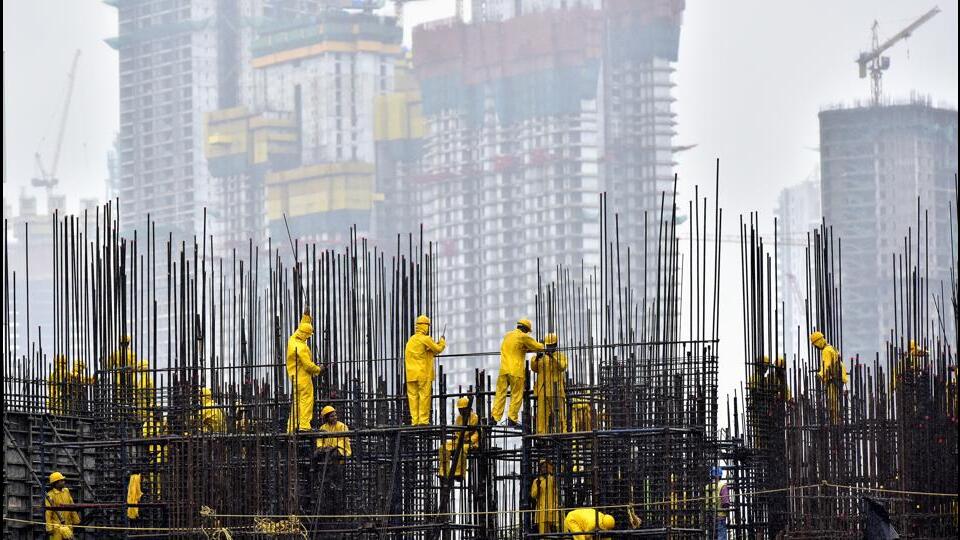
The Industrial Relations Code, 2020, one of the four labour codes consolidated to replace 29 existing labour laws, came into force on November 21. The Industrial Relations Code, 2020, is a specific code within the broader labour reforms framework. It replaces earlier laws such as the Industrial Disputes Act, 1947, and the Trade Unions Act, 1926, to regulate industrial relations.
Appearing for the Centre, Solicitor General Tushar Mehta, along with standing counsel Ashish Dixit, submitted before a bench of chief justice DK Upadhyaya and justice Tejas Karia that the rulemaking process was underway and that objections and suggestions from the public had already been invited.
They further submitted that the Centre had issued two notifications on Monday to ensure continuity of the adjudication process in the interim, pending finalisation of the rules.
While the first notification stated that the provisions of the Trade Unions Act, 1926, the Industrial Employment (Standing Orders) Act, and the Industrial Disputes Act, 1947 stood repealed with effect from November 21, the date on which the Industrial Relations Code, 2020 was brought into force, the second notification clarified that all existing statutory authorities under the repealed enactments would continue to function until corresponding authorities are appointed under the Industrial Relations Code.
After considering the submissions, the court disposed of the petition filed by advocates practising before labour courts and industrial tribunals, including NA Sebastian, challenging the Centre’s decision to operationalise the Industrial Relations Code, 2020 from November 21.
“The concerns raised in this petition are addressed, and therefore, continuance of the proceedings would not be required,” the bench said in its order.
In their petition, the lawyers contended that although the Code establishes an entirely new adjudicatory framework — an Industrial Tribunal with a distinct composition, authority and jurisdiction, including the transfer of pending cases under the Industrial Disputes Act — the Centre had failed to notify the rules governing the tribunal’s constitution, as well as the terms and qualifications for appointing its members. Such inaction, they argued, had a paralysing effect on the adjudicatory machinery.


