
 E-Paper



Let a sisterhood of women flourish for true progress
The harmful narrative of women as “each other’s enemies” must be replaced with celebration of sisterhood, solidarity

 Prefer HTon Google


After seven years and a pandemic, I earned my PhD in economics in 2022. My dadi (paternal grandmother) got to see me receive my doctoral degree. “Ye bahut badi baat hai! (This is a big achievement!),” she told me, her eyes twinkling when I showed her my sash and certificate. I lost her to a long battle with cancer a year ago, about a week before her 86th birthday. When I chose to study menstrual practices and their impact on young girls’ education for my research, she was my first key interview. On one of my trips back home after dadi’s death, the lady who had assisted her in the last few months shared the most heartwarming story that reaffirmed my faith in the power of the safe spaces that only sisterhood can provide.
My grandmother, Malti Agarwal, lived an interesting life. The fourth of six siblings, she was a proud Kanpuriya. Her father, who she called babu, ran a saree shop and her mother held the home together. She often talked about her mother, bhabhi, as she used to call her. In the days of large families and overlapping generations, it was common for young kids to pick up the salutations used by the older (and wiser) children, even for their own parents. I find this quite endearing, but it’s a nightmare if you’re trying to piece together a family tree with limited information.
Also Read: Women’s Day: 5 things women should know before investing in property
Bhabhi was quite the disciplinarian; babu had a sharp temper and resources were strictly rationed amongst the many children — all quite ordinary for the time. Even more ordinary, the boys were sent to better schools. They were to make something of themselves, after all! The girls needed to learn to take care of a home and raise a family. Malti accepted this more or less, but she also excelled at school. Even till the very end of her life, her mind (if not body) was audacious. “Aisa kuchh kaise ho sakta hai jo main na kar paaun?” she used to say. She passed this on to her children and grandchildren.
After middle school, when her closest friend, Sarojini, was going to stop formal education and join a silaai ka school (tailoring school), Malti wanted to follow suit. Babu was in favour, and she even took admission. This is where we break trend -- bhabhi would have none of it. She convinced Malti and, more importantly, her short-tempered husband that girls must continue school. Bhabhi had received some education and wanted her daughter to go further. Women can stand up for women. Malti finished school and enrolled in an BA programme. She cleared her BA in the royal division, a euphemism for the third division. My grandfather told his grandkids this story countless times -- when he, a dashing young doctor, went to meet Malti for a prospective marriage, and asked how she fared in her BA exams, to his great amusement (and maybe respect?) she replied proudly, royal division!
Also Read: Karnataka: 2 women, Including an Israeli, molested, 3 men assaulted, 1 missing
Growing up in Kanpur in the 1940s as an ambitious girl was not easy. Malti was curious and questioning. All through my growing up years, I could see that she consumed any knowledge that came her way. She loved to show off her repertoire of Hindi muhavaras and verses from the Ramayana. Malti contributed directly to my PhD by sharing stories about her teenage years. She told me about how difficult it was to manage menstrual blood stains with just two sets of school uniforms to rotate. Of course, she had to wash her soiled clothes herself, before the menfolk were up. It was believed that menstruating girls should not touch the water tap. She described complicated manoeuvres she performed with a stick to turn the tap on. As I took notes, she was fascinated that these stories would lead to research and maybe even influence public policy one day.
Coming back to the story that I mentioned earlier, in the last few months of her life, Malti asked her attendant, Geeta, to wash the pooja utensils one day who refused saying she was menstruating. My dadi, who had probably followed the same practice in her time, told the 30-something Geeta that these are puraani (dated) and galat baatein (fallacious practices). She reasoned with Geeta about how she should not follow this custom and promised to get me to talk to her in detail when I visited next. Geeta shared that she has stopped avoiding these activities since that conversation with my dadi: “Uss din se maine ye sab karna chhod diya (I stopped observing these practices about ritual uncleanliness since that day)”. It was a quite a moment for me. All this while I thought I was learning from dadi, it turns out that dadi, too, was learning from me and, in fact, passing on new ideas.
Also Read: In a first, all-women crew runs Vande Bharat on International Women’s Day
There were many taboo topics besides this that she spoke to me about. She would tell me her views and then listen as I talked about how I thought about issues such as pre-marital sex, live-in relationships, women’s rights, divorce, and even same-sex marriage. She was not a pushover and would disagree with many of my “radical” thoughts! In these conversations, we could be like friends and give each other the safe space to say what we really think and feel.
These safe spaces are special because they come with an extra layer of protection from the outside world. Have you ever noticed a woman wordlessly gesture to another to check her back for blood stains? It is such a universal language that you can even communicate with strangers. No woman ever disappoints another in doing a barely noticeable but thorough check. I think my being a woman gave me a special advantage in being able to talk to my dadi about matters she had never explored with anyone else. Perhaps she thought I would understand her discomfort more instinctively? Geeta listened to my dadi, not because she gave her novel advice, but because it came from an older and wiser woman. Perhaps she would have abandoned these rituals long ago had her own grandmother indulgently laid down the law?
The aurat hi aurat ki sabse badi dushman hoti hai (Women are each other’s worst enemies) narrative has acquired sickening popularity, even though women happily perform countless acts of kindness for each other daily. It is time this narrative is demolished and the celebration of safe spaces of sisterhood takes its place.
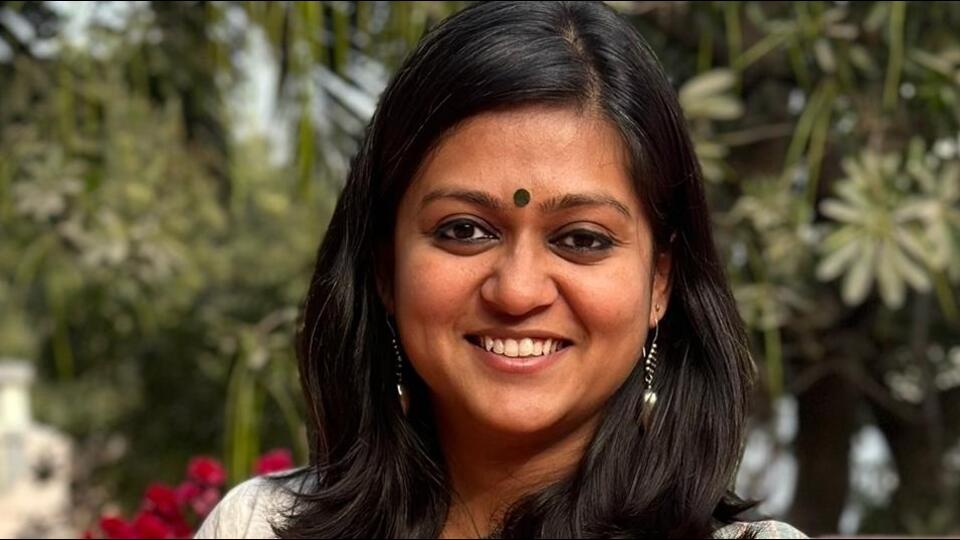
Garima Agarwal is assistant professor of economics at Azim Premji University, Bengaluru. She works on issues of women’s participation in the economy. The views expressed are personal


