
 E-Paper



List of new policies approved in Union cabinet meet chaired by PM Modi
Among the six domestic and foreign policies approved by the cabinet, two include collaboration on the education front with the United Kingdom and United Arab Emirates.


The Union cabinet on Wednesday approved major policies, including changes to the PM Gati Shakti programme, PM Shri Schools scheme among others, in a meeting chaired by Prime Minister Narendra Modi.
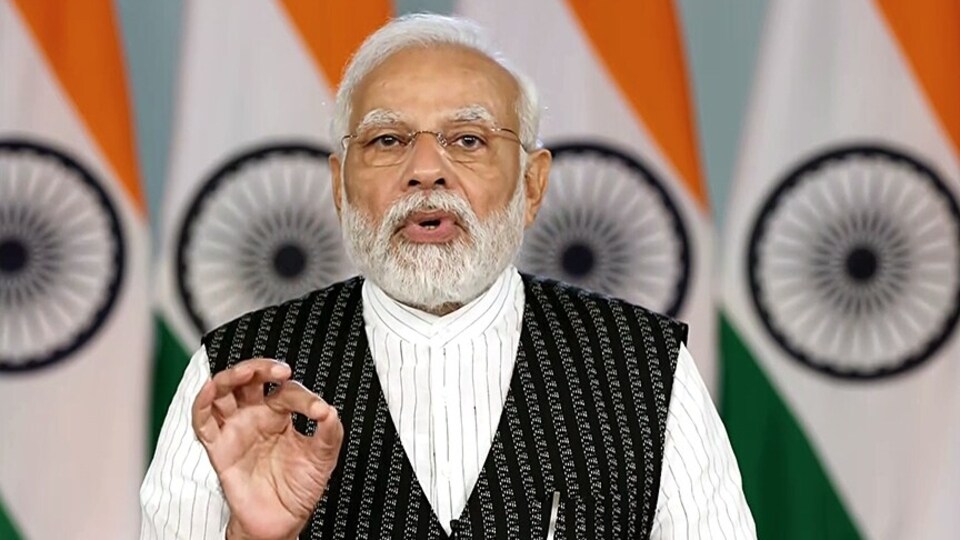
Here’s a list of the key decisions taken in the meeting.
1. International collaboration in the field of education
Among the six domestic and foreign policies approved by the cabinet, two include collaboration on the education front with the United Kingdom and United Arab Emirates countries - a move aimed at increasing academic mobility as well as establishing dual/joint degrees in higher institutions.
2. Upgraded schools under New Education Policy
In its efforts to implement the New Education Policy 2020, the government plans to build 14,500 exemplary schools with modern infrastructure at a cost of ₹27,360 crore under PM-Shri Schools - a scheme expected to benefit 1.8 million students.
3. More speed to PM Gati Shakti programme
The Centre has also amended policies with respect to the PM Gati Shakti programme. Under the new policy, railways lands will be leased for a period of up to 35 years against the currently approved five years. The government expects that this move will increase the revenue generation of railways while generating 1.25 lakh potential jobs.
Also Read | PM Modi's swipe at UK: 'Left behind those who ruled India for 250 years'
4. Urban infrastructure with Kochi Metro Rail Project II
To boost Kerala’s Ease of Living index, a decision on the development of the second phase of the Kochi Metro Rail Project at the cost of Rs.1,957.05 crore was also taken by the government.
5. Resilient response to disaster management
The Centre has also given "ex-post facto" approval for a memorandum of understanding (MoU) between India and the Maldives for cooperation in the field of disaster management. The MoU signed in August seeks to place a system that will ensure preparedness, response and capacity building in the field of disaster management. There are also plans to initiate annual disaster management exercises in different geographic locations involving both countries.


