
 E-Paper



FAQ: All you need to know about Covid-19 lockdown extension
The nationwide restrictions to stop the spread of Covid-19 have been extended till May 3. The three-week lockdown imposed on March 24 was set to end on April 14 . Simply put, India will be under a lockdown for a total of 40 days.

 Prefer HTon Google


Prime Minister Narendra Modi extended the nationwide lockdown on Tuesday, highlighting that India was moving in the right direction in its fight against the coronavirus disease (Covid-19). Here are seven key points that you need to know.
1) How long will the lockdown continue?
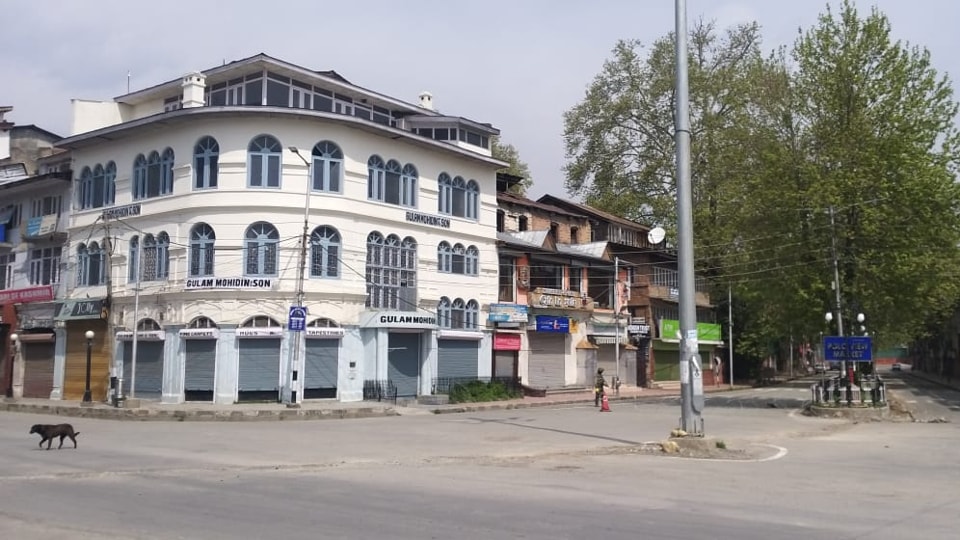
The nationwide restrictions to stop the spread of Covid-19 have been extended till May 3. The three-week lockdown imposed on March 24 was set to end on April 14 (today). Simply put, India will be under a lockdown for a total of 40 days.
2) Is there any relaxation?
Not till April 20. In fact, according to the Prime Minister, authorities will keep a close watch on how strictly the lockdown guidelines are followed at the local level over the next seven days.
3) What happens after that?
Places that score satisfactorily in the assessment test are expected to get some breather with authorities allowing limited activities. But such a move will come into place only after officials are satisfied that the area concerned has eliminated the threat of Covid-19 to a large extent. If a case surfaces or resurfaces, the relaxations will be rolled back. All possible relaxations are conditional.
4) What do we know about the relaxations?
Not much immediately. A detailed guideline will be issued on Wednesday. But the Prime Minister, in his address, said steps will be taken to help the poor, especially daily wage workers whose livelihood has been severely hit.
5) Will the ban on air and rail travel continue?
Yes, restrictions on rail and air travel will continue. Soon after the PM’s announcement, the government extended the suspension on all domestic and international flights, and passenger trains till May 3. These services were earlier banned till the midnight of April 14. Cargo flights and freight trains are allowed to run for the supply of essential commodities.
6) What about essential services?
They are likely to continue the way they are functioning right now. Frontline workers, such as health care staff and police, among others, are exempt.
7) What are the PM’s seven appeals to citizens?
Concluding his speech, the Prime Minister underscored seven areas that the country must focus on to reach the “victory path” in the fight against the pandemic. These are:
a) Take care of the elderly, especially those with underlying health conditions
b) Follow lockdown rules, maintain social distancing and wear masks at public places
c) Follow the AYUSH ministry’s guidelines on boosting immunity
d) Download the AarogyaSetu app
e) Look after the poor; try to feed people in distress
f) Be compassionate about your fellow workers; do not sack your employees
g) Respect health workers and doctors
8) What was restricted in phase 1 of the lockdown?*
a) Central and state government offices, and corporations (barring a few exceptions)
b) Commercial and private shops
c) Factories and industrial establishments
d) All transport – air, rail, roadways and even metro services
e) Hotels, homestays
f) Educational and coaching institutions, including schools and collges
g) Places of worship and all religious congregations
h) Social/political/sports/entertainment/ academic/cultural gatherings
9) What was allowed in phase 1 of the lockdown?*
a) Government offices such as treasury, law and enforcement, and disaster management
b) Municipal bodies for electricity and water, public utilities
c) Vegetable markets notified by state governments
d) Shops selling groceries and food items, agricultural products
e) Delivery of all essential goods including food, pharmaceuticals, medical equipment
f) Hospitals, pharmacies, emergency services as well as manufacturing of health care items
g) Veterinary hospitals
h) Banks, insurance offices, ATMs, and post offices
i) RBI and RBI-regulated financial markets
j) Social welfare department, shelter homes
h) Print and electronic media
i) Telecommunications, internet services
j) Petrol pumps, LPG agencies
k) Cold storage and warehousing services
l) Shops for truck repairs on highways
m) Manufacturing units of essential goods, tea plantations
n) Transportation for people engaged in providing essential services
o) Transport for essential goods, cargo movement
p) Intra and inter-state movement of harvesting and sowing-related machines
q) Hotels hosting stranded tourists, medical and emergency staff
r) Funerals with no more than 20 people in attendance
(*These guidelines were applicable till April 14. The government will release new guidelines on Wednesday. This new set of rules is also expected to highlight possible relaxations in some places after April 20)


