E-Paper



Madhya Pradesh ready with 4 habitats for translocation of African cheetahs
A committee appointed by the Supreme Court will visit Madhya Pradesh next week to survey the suitable habitats for the cheetah as the government tries reintroduce the spotted cat almost 70 years after it was hunted to extinction in the country.

 Prefer HTon Google


The Madhya Pradesh forest department is ready with four suitable habitats to showcase to a three-member committee constituted by the Supreme Court to guide the National Tiger Conservation Authority (NTCA) in the translocation of the African cheetah from Namibia to India, a forest official said Saturday.
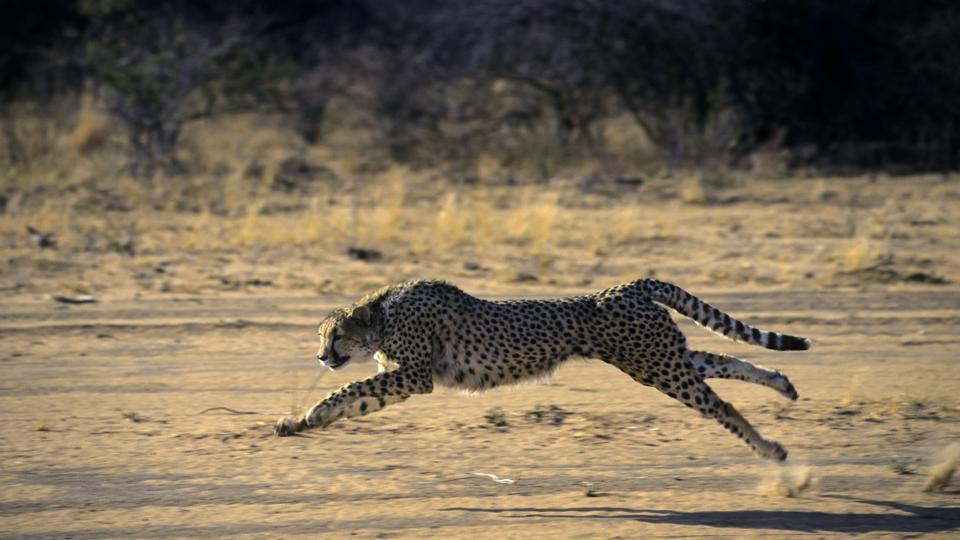
The committee comprising former director Wildlife of India Ranjit Singh, DG of Wildlife of India Dhananjay Mohan and DIG, Wildlife, Ministry of Environment and Forests will visit Madhya Pradesh next week to survey the suitable habitats for the cheetah.
The exercise is part of a programme to reintroduce the fastest land animal in India after the Asiatic cheetah was hunted to extinction in the country in the 1950s.
The Madhya Pradesh forest department, which was initially vying for translocation of the cheetahs in Kuno National Park in Sheopur district and Nauradehi Wildlife Sanctuary in Damoh district in 2012, has now added two more locations – Madhav National Park in Shivpuri district and Gandhi Sagar Wildlife Sanctuary in Mandsaur district in the survey, said JS Chauhan, additional principal chief conservator of forest, (Wildlife).
“In January, the Supreme Court had allowed the Centre to introduce the cheetah in the country following an application filed by the NTCA. The apex court formed the committee which will submit its survey report before the court so that proper monitoring could take place,” said Chauhan.
The forest officer said, “Kuno National Park in Sheopur, which was upgraded for the relocation of Asiatic Lion but the process couldn’t begin, can get good numbers in the survey as the place is most suitable in the country for translocation of the cheetah. Meanwhile, we have prepared all the three other places too by translocating prey base and resolving local issues.”
Sheopur, divisional forest officer (DFO), PK Verma said, “Kuno National Park has one of the best prey bases with a population of spotted deer of 45 per sq km. The area which was about 350 sq km is now increased to 750 sq km and all the villages have been shifted from the forest area.”
Verma said the forest department has worked hard to ensure that the Kuno National Park has been turned into a suitable habitat for the cheetah.
“The process of shifting of the Asiatic lion couldn’t take place. But we hope that the cheetah will come to Kuno. The introduction of the cheetah will give a new life to the area. The locals, who are waiting for Lion and Cheetah for the past 10 years to boost the local economy, will also get benefit of it. We have left no stone unturned to prepare the national park as the most suitable habitat for the cheetah,” said Verma.
Asiatic cheetahs once roamed India’s grasslands but indiscriminate hunting led to their extinction.