E-Paper



Manufacturers urge govt to revisit tariffs on medical devices
Manufacturers urge the govt to review medical device tariffs as the Centre considers cutting import duties on them in India.

 Prefer HTon Google


Indian Medical Device manufacturers want the government to revisit tariff structures for medical devices in the context of the Centre considering a reduction in import duties on medical devices in India.
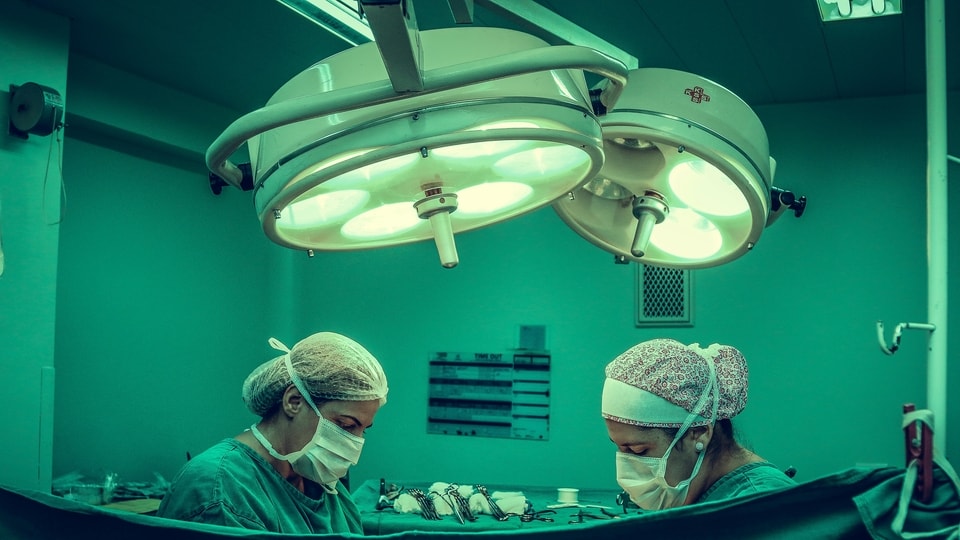
Indigenous medical device manufacturers say tariffs levied by India on devices are already among the lowest globally, and that a further reduction will not be good for local manufacturers.
“We emphasize the need for the Indian government to revisit tariff structures considering the ongoing efforts to enhance health care security in India and address potential challenges arising from global health crises,” said Rajiv Nath, forum coordinator, AiMeD in a statement.
India is considering slashing tariffs on medical devices imported from the US as it works towards a trade deal with that country.
AiMeD (The Association of Indian Medical Device Industry) expressed concern over the recent discussions surrounding the reduction of import duties on medical devices in India, especially when it is already one of the few countries with relatively low tariffs on medical imports leading to over 70% import dependence.
“Currently, India imposes basic customs duties (BCDs) ranging from 0% to mostly 7.5% on medical devices imported from countries such as the US. Medical Devices such as Mass Spectrometers, Gas Analysis Apparatus and many other analytical and diagnostic equipment are at zero percent duty and US manufacturers already have the largest market share..., in many medical devices, more than domestic manufacturers,” added Nath.
The manufacturers called for a more balanced approach, urging the government to consider not just tariffs but also non-tariff barriers and regulatory approvals which can significantly impact the accessibility of medical devices. They proposed that in the spirit of reciprocity, India should seek a fair-trade arrangement that includes uniformity in tariff and non-tariff measures between the US and India.
“The real barriers to market entry for Indian medical device manufacturers lie not in tariffs, but in non-tariff barriers such as exorbitant US FDA registration fees and the requirement for costly clinical trials. These costs are a significant deterrent for Indian manufacturers seeking to enter the US market, where approval can take years and cost millions. To level the playing field, India must push for a fair exchange of regulatory standards and seek reciprocal market access non-tariff measures,” said Rajiv Chibber, joint coordinator, AiMeD in the statement.
The manufacturers also pointed to global precedents, such as the 50% tariff on syringes and needles from China imposed by the US, and 25% tariffs on personal protective equipment (PPE) such as gloves, respirators and face masks. They suggested India implement similar duties to protect the medical device supply chain and prepare for future health emergencies like COVID-19.
“Healthcare security must be a priority for any nation, and India needs to ensure that it has a diversified and resilient medical device manufacturing sector and be Atmanirbhar. By maintaining a balanced approach to tariff policies and regulatory frameworks, India can strengthen its position as a key player in the global medical device market that seeks a diversified supply chain that is not overly dependent on any one nation, while securing its own healthcare needs,” added Nath.