E-Paper



Lawyer with a heart: Birender Sangwan’s fight to cap price of coronary stents
A friend’s family being overcharged for a stent by a private hospital prompted advocate Birender Sangwan in 2014 to file a petition in the Delhi high court seeking price regulation of the life-saving device.

 Prefer HTon Google


A friend’s family being overcharged for a stent by a private hospital prompted advocate Birender Sangwan in 2014 to file a petition in the Delhi high court seeking price regulation of the life-saving device.
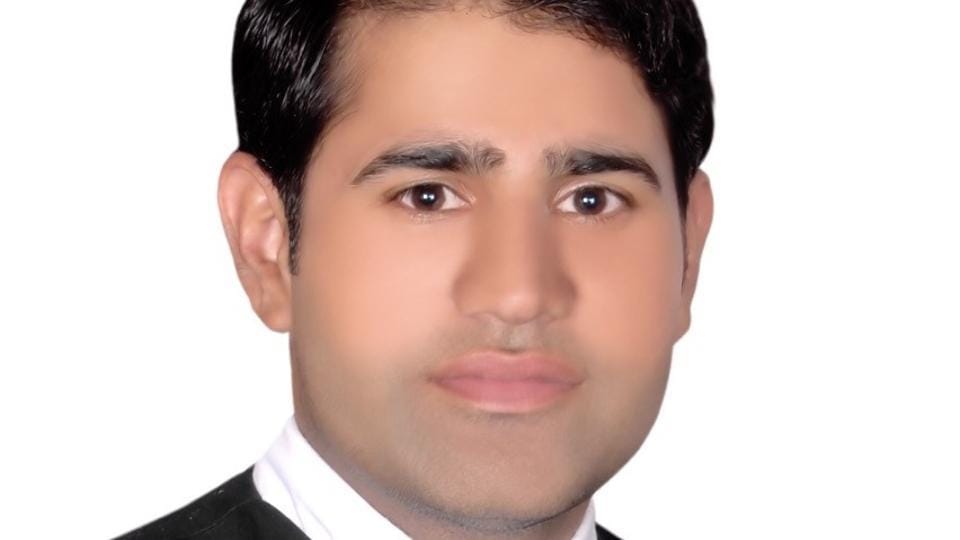
Sangwan pleaded that coronary stents, a spring-like metal used to prop open blocked arteries, be included in the National List of Essential Medicines (NELM). And, last week, India’s drug-pricing watchdog capped the cost of stents at Rs 30,000, a cut of about 85%.
“In 2014, a friend’s brother had a heart attack and was charged Rs 126,000 for a stent in a private hospital in Faridabad. The box that carried the stent had no maximum retail price on it. We checked with other doctors and they told us it was because stent prices weren’t regulated by the government, so hospitals had a free hand in fixing rates,” said 36-year-old Sangwan.
Data from the National Pharmaceutical Pricing Authority, the country’s top body that fixes prices for drugs, showed massive margins were being charged at each step in the distribution and supply of stents. By the time a patient received a stent, the increase from the original cost was often in the range of 1,000-2,000%.
With cardio vascular diseases on the rise, the number of angioplasties being performed has doubled in the country in the past five years.
“It was a scam, and patients were being fleeced blatantly. There were no ethics followed,” he said. “Why should the patient be forced to buy a stent from a particular company? Why wasn’t there any regulatory mechanism in place? These questions disturbed me.”
Sangwan said, initially, the government did not respond to an order by the high court to bring stents under NELM and cap prices. It was only after a contempt petition in July 2016 that they relented. “Another petition was filed in December 2016 to ensure the government capped selling price of stents,” he said.
But the fight is far from over. The industry will drag the government to court, said Sangwan. “Now hospitals are increasing other costs such as doctor consultation, room rent etc. We suddenly have a bigger issue at hand and I am working towards tackling this problem.”
Sangwan’s next target is other exorbitantly priced medical devices, such as orthopaedic implants.
“The work has started, and I am filing some RTIs and complaints to the concerned ministries and departments today.”