
 E-Paper



‘Motivated comments’: MEA on foreign criticism amid hijab row
A statement issued by external affairs ministry spokesperson Arindam Bagchi referred to comments by ‘some countries’ on dress code in educational institutions in Karnataka, but didn’t name any one

 Prefer HTon Google


India on Saturday rejected criticism by some countries on the Karnataka government’s ban on Muslim girls attending school wearing headscarves as “motivated comments” on internal matters, and said the matter is being examined by the state high court.
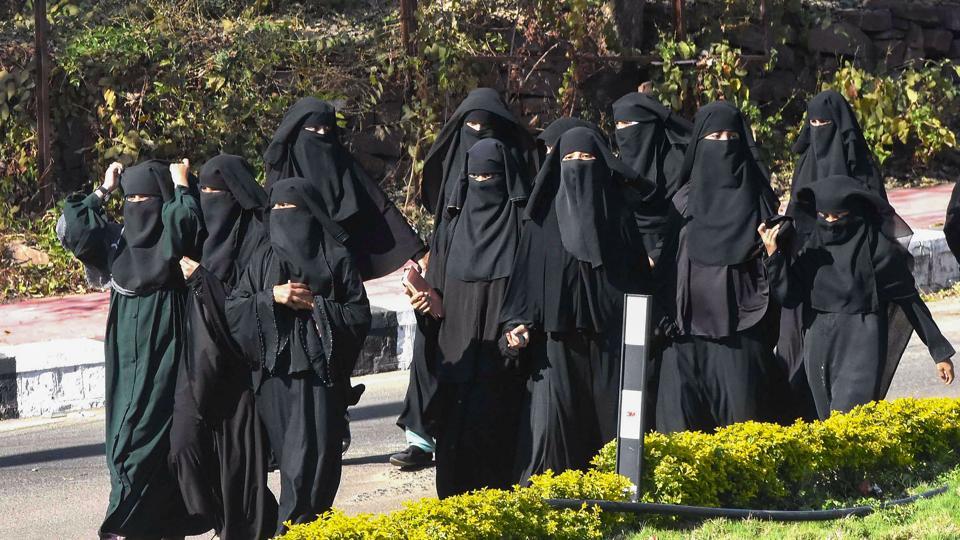
A statement issued by external affairs ministry spokesperson Arindam Bagchi referred to comments by “some countries” on the dress code in educational institutions in Karnataka, but didn’t name any particular country.
The statement was issued hours after Rashad Hussain, US ambassador-at-large for international religious freedom, said in a tweet that hijab bans in schools violate religious freedom and stigmatise women and girls.
“A matter regarding dress code in some educational institutions in the state of Karnataka is under judicial examination by the...High Court of Karnataka,” Bagchi said in his statement. “Our constitutional framework and mechanisms, as well as our democratic ethos and polity, are the context in which issues are considered and resolved.”
“Those who know India well would have a proper appreciation of these realities,” he said. “Motivated comments on our internal issues are not welcome.”
Also Read | Hijab ban violates religious freedom: US
Karnataka has been rocked by the issue, with Muslim girls seeking to assert their right to wear the hijab in educational institutes. The Bharatiya Janata Party government in the state recently banned Muslim girls from attending classes in headscarves, sparking protests in parts of the state that led to the closure of schools.
The Karnataka government on Friday night deferred the reopening of educational institutes, though the high court in an interim order advised authorities to open schools and colleges shut since Wednesday. The state government said the closure will be extended till February 16 as a precautionary measure, though examinations will be held as scheduled and online classes will continue.
The high court’s interim order also restrained students from wearing saffron shawls or hijab or displaying religious flags.
The US envoy for international religious freedom, who assumed office last month, tweeted about the issue of religious freedom on the day external affairs minister S Jaishankar held bilateral talks with US secretary of state Antony Blinken in Melbourne after both leaders participated in a meeting of foreign ministers of the Quadrilateral Security Dialogue, or Quad.
“Religious freedom includes the ability to choose one’s religious attire. The Indian state of Karnataka should not determine permissibility of religious clothing. Hijab bans in schools violate religious freedom and stigmatize and marginalize women and girls,” Hussain said in his tweet.
Hussain, who earlier served as former president Barack Obama’s special envoy to the Organisation of Islamic Cooperation, is the son of Indian-American immigrants. The US Senate voted overwhelmingly last December to confirm his nomination as the US ambassador-at-large for international religious freedom.


