
 E-Paper



Muslim parties begin their arguments in Ayodhya case
Muslim parties commenced their argument with senior advocate Rajeev Dhawan rejecting Archaeological Survey of India (ASI)’s finding.

 Prefer HTon Google


On the 17th day of hearing in the Ram Janmabhoomi-Babri Masjid land dispute case, the Muslim parties commenced their argument with senior advocate Rajeev Dhawan rejecting Archaeological Survey of India (ASI)’s finding that there was a massive structure at the site before the mosque took its place.
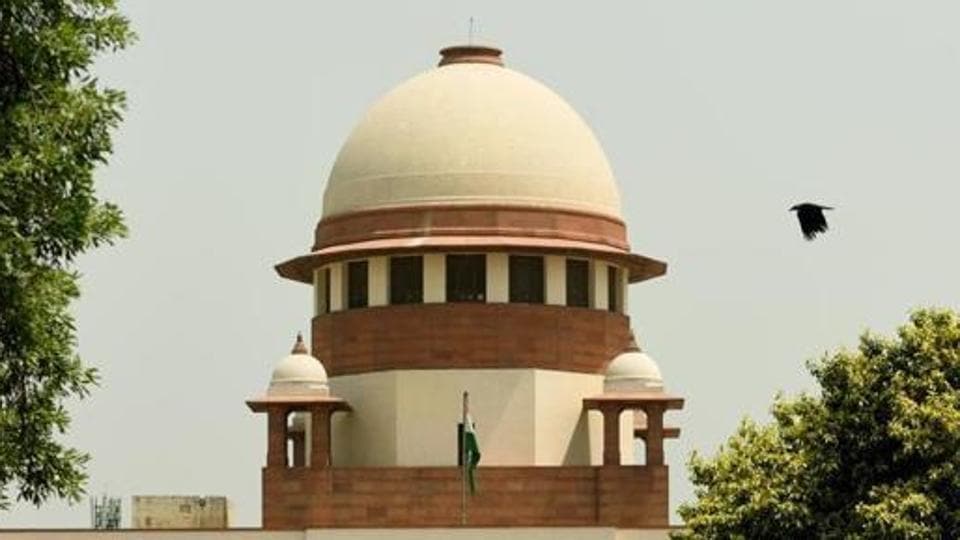
Dhavan told a five-judge bench led by Chief Justice Ranjan Gogoi that there was no need to delve into distant history. What was relevant was who had the title to the disputed site in Ayodhya when the “sovereignty was passed to the British.”
“There was no massive structure at the site and no Hindu motifs. Just because there is a peacock or lotus does not mean they are Hindu,” he submitted before a bench, which also comprising justices S A Bobde, D Y Chandrachud, Ashok Bhushan and S A Nazeer.
“Even the Roman empire had every possible animal,” Dhavan said, discounting the arguments advanced by the Hindu parties that the recovery of lotus and peacocks meant there was a temple at the site. He pointed to flaws in the methodology the ASI adopted to conclude that a massive structure stood there before the mosque. On the argument that a well at the site reinforced the presence of a temple, Dhavan said: “There were no wells in the Vedic period.” He even disputed the argument that the presence of a “parikrama route” around the structure was evidence to the presence of a temple.
The question before the court is with whom the title vested when the sovereignty of this part of the country passed on to the British, the senior advocate said. “It will create difficulties if Hindu-Muslim issues were to be decided on the basis of evidence given by persons,” he cautioned. Historical facts would only lead to erroneous conclusions, he said.
Justice Chandrachud pointed out that such an argument would also affect his case which was built on the “positive case” that the Babri Masjid was built during Babur’s time and the reference to inscriptions which were all based on history.
Meanwhile, the apex court also agreed to hear on Tuesday a contempt plea filed by Dhavan related to threats he said he received for taking up the matter. Dhavan, who appeared for lead petitioner M Siddiq and the All India Sunni Waqf Board, has said that he received a letter on August 14, 2019 from N Shanmugam, a retired education officer, threatening him for appearing for the Muslim parties.


