E-Paper



Nasal spray for adults at risk of severe Covid-19 launched
The product – NONS, or nitric oxide nasal spray – works due to its viricidal properties, reducing the replication of the virus in the mucous membrane in the nose following an infection.

 Prefer HTon Google


Mumbai-based pharma company Glenmark Pharmaceuticals on Wednesday announced the launch of a nasal spray for adults at high risk of severe Covid-19 after an approval from India’s drugs regulator, following clinical trials that the company said showed encouraging results.
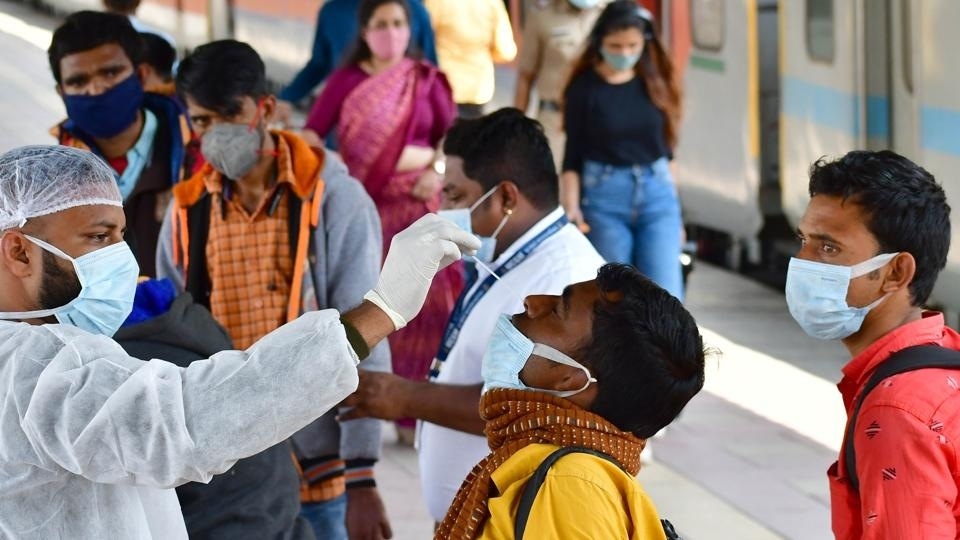
The product – NONS, or nitric oxide nasal spray – works due to its viricidal properties, reducing the replication of the virus in the mucous membrane in the nose following an infection. The resulting lower viral load, it is believed, potentially helps minimise disease severity.
The company and its Canadian partner, SaNOtize Research and Development, carried out multiple clinical trials, including one in India. “The results from this phase 3, double blind, placebo controlled trial are encouraging. Demonstration of reduction in the viral load has significant positive impact from a patient and community perspective. In the current scenario, with new emerging variants exhibiting high transmissibility, NONS provides a useful option in India’s fight against Covid-19,” said Monika Tandon, senior vice president, and head , clinical development, at Glenmark. The drug has been launched in India first.
The Drugs Controller General of India (DCGI) granted approval for manufacturing and marketing of NONS as part of the accelerated approval process and the product will be sold as FabiSpray in India. It has shown to reduce viral load by 94% in 24 hours in local clinical trials, the company said. According to the company, when NONS is sprayed over nasal mucosa, it acts as a physical and chemical barrier, preventing the virus from incubating and spreading to the lungs.
Experts are hopeful that the drug should work in reducing the severity of disease.
“It should work because the entry point for the virus is of course the nose and the mouth. The virus stays in the nasal passage and throat for a quite a bit, and if this spray is used in very early stages of the disease that brings down the viral load drastically, then it should reduce disease severity,” said Dr MS Kanwar, senior consultant, pulmonary medicine department, Apollo Hospital.
“Also, since it’s used topically, the side-effects should be bare minimum.”
The phase 3 clinical trial was conducted in 306 adult Covid-19 patients across 20 clinical sites in India. For the experiment, the placebo group was given normal saline nasal spray and both groups were in non-hospitalised setting, and received standard supportive care.
The trial analysed patients with risk of progression of disease -- non-vaccinated patients, patients in the middle and older age group, and patients with co-morbidities.
“Primary endpoint was met: Reduction in log viral load in the NONS group was statistically significant and superior to the control (placebo) group… In the India Phase 3 trial, a reduction of viral load of 94% in 24 hours and 99% in 48 hours was similar to reduction seen in the UK NHS (National Health Service) trial conducted by SaNOtize,” said the company in a statement.
It should be taken soon after the onset of symptoms by those patients who run the risk of developing severe disease, the company said.
Dr Srikanth Krishnamurthy, one of the principal investigators of the study, said, “Most importantly, viral load reduction with NONS has the potential to reduce the chain of transmission. Last but not the least, NONS being topical, is safe, and makes this therapeutic option very attractive.”