
 E-Paper



NEET-UG leak: CBI arrests second kingpin, a biology lecturer who was part of NTA panel
The woman lecturer, identified as Manisha Mandhare, was interrogated by the agency, following which she was arrested on Saturday.

 Prefer HTon Google


The Central Bureau of Investigation (CBI) has arrested a second alleged mastermind in the National Eligibility-cum-Entrance Test (NEET)-UG 2026 question paper leak case — a senior woman Botany teacher from Pune who was part of the National Testing Agency’s (NTA) paper-setting committee — a day after arresting retired chemistry lecturer P V Kulkarni, whom investigators described as the kingpin of the racket, senior officials said.
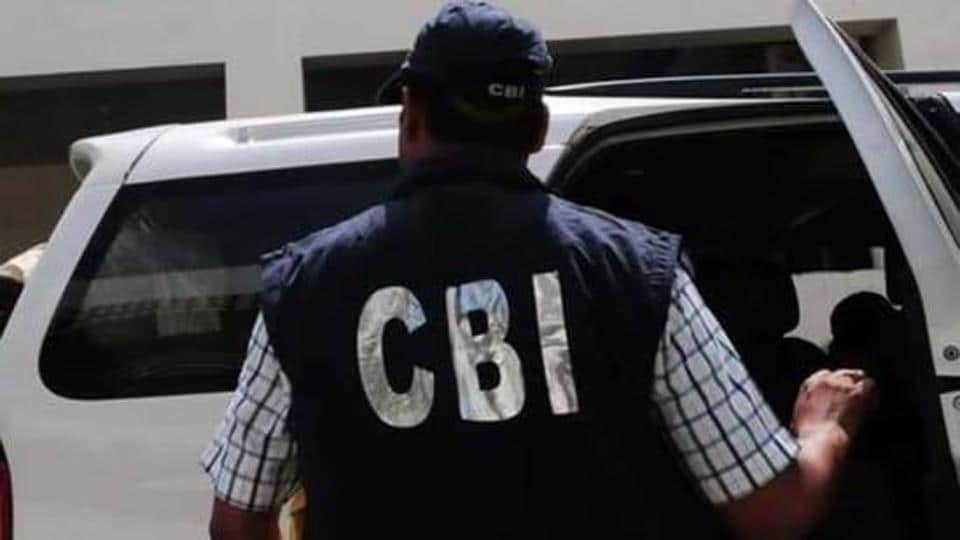
The CBI said in a statement on Saturday that Manisha Gurunath Mandhare has been arrested after a thorough probe.
“She was involved in the NEET UG 2026 examination process and appointed by NTA as an expert. She had complete access to the Botany and Zoology question papers,” the agency said.
What was her role?
Further detailing her role, the CBI said that during April 2026, Mandhare “had mobilized prospective NEET examination candidates through Manisha Waghmare of Pune, who runs a beauty parlour and was arrested on May 14, and conducted coaching classes for these students at her Pune residence”.
A similar modus operandi was used by Kulkarni, who was also part of the NTA paper-setting committee.
Also Read: BJP worker’s kin under lens in NEET-UG leak case
“During these classes, Mandhare explained and disclosed various questions from Botany and Zoology subjects and made the students note down the same in their notebooks and also mark them in their textbooks. Majority of these questions tallied with the actual question paper of the NEET UG 2026 examination held on May 3,” the CBI said.
Mandhare will be brought to Delhi for further interrogation about the role of others.
The CBI probe, according to officials who did not want to be named, has revealed that “two sets of question papers — one handwritten and one typed — had been leaked from the NTA” and that Kulkarni and Mandhare were behind it.
Officials said that the “entire committee that set the paper and other senior officers of NTA are under the scanner” and that more arrests may take place in the coming days.
‘Source of leak at NTA’
“This is the first time in paper leak probes we have found the source of leak at NTA. Once the paper was leaked and its PDFs were out on messaging groups, there could have been hundreds of beneficiaries. We will trace all of them but first we are working on the source of leak and their associates,” an officer requesting anonymity said.
The agency is also investigating Kulkarni and Mandhare’s role in any previous paper leaks, officials said.
On Friday, the CBI said about Kulkarni’s role that he mobilised students during the last week of April with the help of co-accused Manisha Waghmare, who runs a beauty parlour and collected money. She was arrested earlier this week. At his Pune residence, Kulkarni allegedly dictated questions, multiple-choice options, and correct answers to attending students, who made handwritten notes in their notebooks.
The CBI has also mapped the chain through which the paper moved after Kulkarni’s classes. Nashik-based Shubham Khairnar allegedly told Gurugram-based Yash Yadav in April that a man named Mangilal — identified in official records and court documents as both Mangilal Biwal and Mangilal Khatik — was willing to pay ₹10–12 lakh for leaked papers for his younger son. On April 29, Khairnar allegedly told Yadav he could provide physics, chemistry, and biology questions — approximately 500–600 in total — that could “ensure admission in reputed medical colleges”, and asked Yadav to obtain Class 10 and 12 documents, a NEET roll number, and a cheque from Mangilal as a security deposit.
That same day, Yadav allegedly received PDF files of the leaked papers through Telegram and forwarded them to Mangilal. Their deal was allegedly contingent on around 150 questions matching the actual paper, for a payment of ₹10 lakh. Mangilal allegedly provided printed copies to three family members appearing in the test, to friends of his son Vikas, and to a teacher, Satyanarayan. He also allegedly supplied papers with answer sheets in exchange for money. The CBI recovered incriminating evidence from Mangilal’s mobile phone.
Probe so far
Nine persons have now been arrested across five states in four days: Mandhare, Kulkarni, and Waghmare from Pune; Dhananjay Lokhanda from Ahilyanagar; Khairnar from Nashik; Mangilal Biwal, also identified as Mangilal Khatik, Vikas Biwal, and Dinesh Biwal from Jaipur; and Yadav from Gurugram.
The agency further said on Saturday that it has also conducted searches at six locations across the country in the last 24 hours and recovered incriminating documents, laptops, bank statements, and mobile phones.
The agency had registered a case in the leak on May 12 based on a complaint by the ministry of education.
“Investigation is continuing with the special teams and the investigation conducted so far has brought out the actual source of the leakage of Chemistry and Biology papers as well as the middlemen involved in mobilizing the students who paid lakhs of rupees to attend the special coaching classes where the questions which would come in the NEET UG-2026 exam were dictated and discussed,” the CBI said.
“CBI is committed to comprehensive, impartial and professional investigation in this case,” it added.


