
 E-Paper



Neighbourhood in turmoil as Pakistan, Sri Lanka politics on edge
The developments in the neighbourhood are understood to have figured at a meeting between Prime Minister Narendra Modi and external affairs minister S Jaishankar in the Parliament premises on Monday, the people cited above said on condition of anonymity.

 Prefer HTon Google


India is keeping a wary eye on the political and economic turmoil affecting two neighbours – Pakistan and Sri Lanka – though the situation in both countries is not expected to have any immediate fallout for New Delhi, according to people aware of the developments.
A day after Pakistan Prime Minister Imran Khan’s surprise decision to dissolve Parliament and call early elections in order to avert a no-confidence vote that he was unlikely to survive, the Supreme Court on Monday adjourned without ruling on the legality of the premier’s actions.
Also Read| Turmoil in Pakistan: What lies ahead
A five-judge bench headed by Chief Justice Umar Ata Bandial will take up several petitions from the government and opposition when it resumes hearing the matter on Tuesday. Outgoing information minister Fawad Chaudhry said Khan had proposed former chief justice Gulzar Ahmad for the post of interim prime minister to oversee the elections.
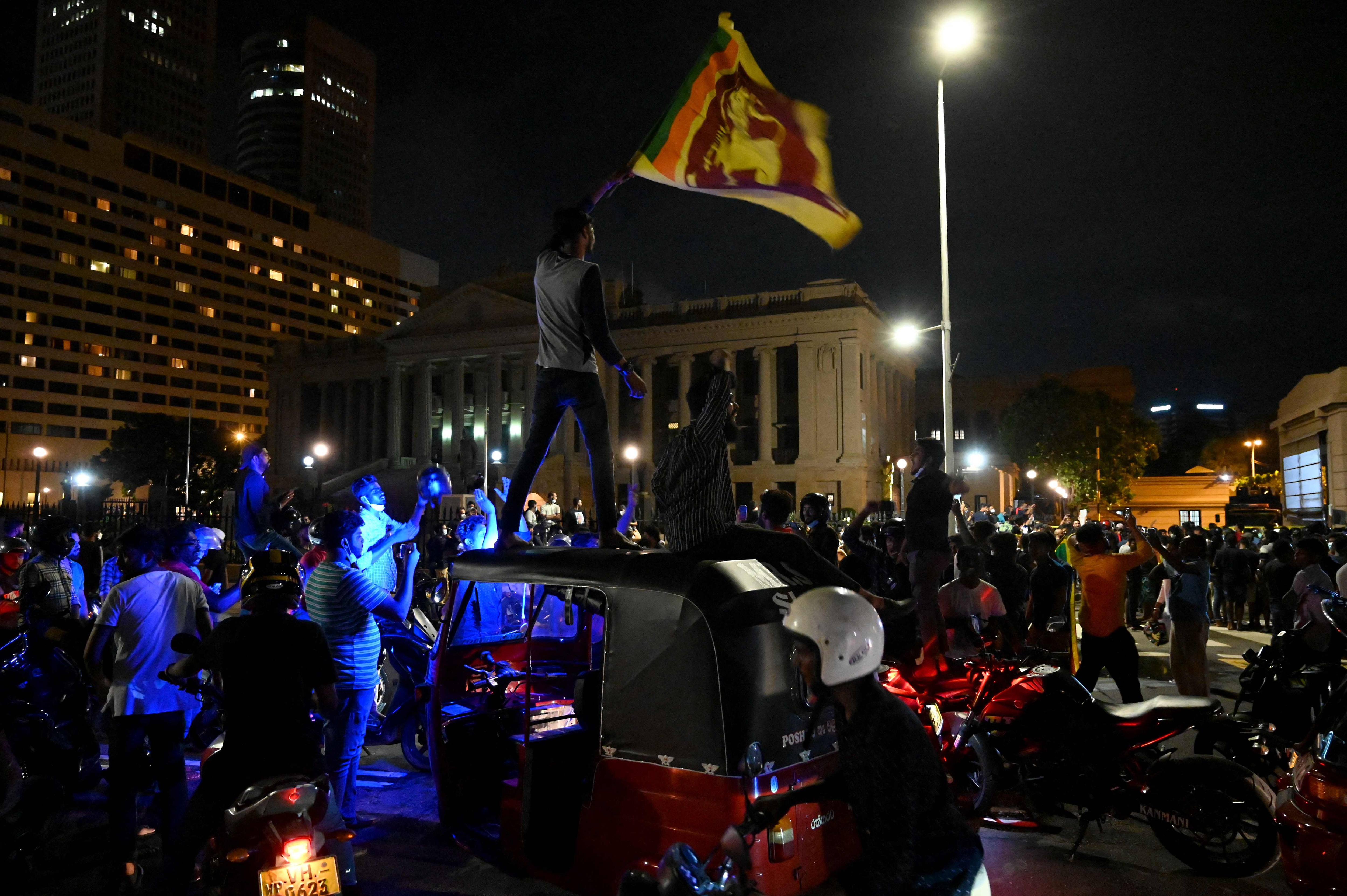
In Sri Lanka, the opposition on Monday dismissed President Gotabaya Rajapaksa’s offer to join a unity government as “nonsensical” and instead demanded his resignation over worsening shortages of food, fuel and medicines. The move followed several days of public protests and the resignation on Sunday of all members of the cabinet except the president and his elder brother, Prime Minister Mahinda Rajapaksa.
The developments in the neighbourhood are understood to have figured at a meeting between Prime Minister Narendra Modi and external affairs minister S Jaishankar in the Parliament premises on Monday, the people cited above said on condition of anonymity. There was no official word on the meeting.
People familiar with the matter said that India decided not to take any official position on the constitutional crisis in Pakistan as it was an internal matter of the country. In the case of Sri Lanka, the people pointed out that India has already provided financial assistance of some $2.4 billion in recent weeks, including the deferral of loan repayments, and lines of credit worth $1.5 billion for emergency purchases of oil, food and medicines.
“Everything depends on the Sri Lankan side and we will see what can be done if they seek any more assistance,” one of the people said.
Also Read| Sri Lanka crisis: MP says President Rajapaksa won't resign, thanks India for aid
Pakistan was plunged into a constitutional crisis after the deputy speaker of the National Assembly refused to allow a debate on Sunday on a no-confidence motion moved by the combined opposition against Khan on the ground that it was part of a “foreign conspiracy”. President Arif Alvi acceded to Khan’s request for dissolving Parliament and holding elections within 90 days.
According to the Constitution, the Prime Minister cannot ask for the National Assembly to be dissolved while facing a no-confidence vote. The combined opposition also had the support of nearly 200 lawmakers, including more than two dozen dissidents from Khan’s party – more than the 172 votes required for the no-trust vote to succeed in the 342-member House.
Khan has accused the opposition of colluding with the US for “regime change”, basing the charge on a diplomatic cable sent by Pakistan’s former ambassador to Washington following a meeting with a senior US official. The US administration has rubbished the allegations.
President Alvi on Monday asked Khan and opposition leader Shehbaz Sharif to agree on an interim prime minister, but Sharif declined to cooperate. “How can we respond to a letter written by a person who has abrogated the Constitution?” Sharif told a news conference.
Khan also announced he will lead a protest rally in Islamabad on Monday night against “turncoats” involved in the “foreign conspiracy” against his government.
In Colombo, President Rajapaksa made an overture to the opposition as armed troops were called out to quell more protests over the Sri Lanka’s most severe economic crisis since independence in 1948. Police fired tear gas and water cannon to disperse thousands of protesters trying to storm the private home of the Prime Minister – head of the Rajapaksa clan – in the country’s south.
The president asked opposition parties to “join the effort to seek solutions to the national crisis” after Sunday’s resignation of nearly all cabinet ministers. The leftist People’s Liberation Front (JVP) responded by urging Rajapaksa to immediately step down. The main Tamil opposition party, Tamil National Alliance (TNA), too dismissed the idea of joining a Rajapaksa-led administration.
“He really must be a lunatic to think that opposition MPs will prop up a government that is crumbling,” JVP lawmaker Anura Dissanayake told reporters in Colombo.
Central bank governor Ajith Cabraal – who has long opposed the International Monetary Fund bailout now being sought by Sri Lanka – also stepped down on Monday and the departures cleared the way for the Rajapaksas to shore up their position and attempt to stem public protests.
The president reappointed four outgoing ministers – three to their old jobs – while replacing brother Basil Rajapaksa as finance minister with a former justice chief.
Political columnist Victor Ivan said a cabinet reshuffle in the guise of a national government would not be acceptable to the public. “What is needed is a serious reform programme, not just to revive the economy but address issues of governance,” Ivan told AFP.


