
 E-Paper



NIA puts PFI under lens after Phulwarisharif seizure
The PFI-SDPI links in Phulwarisharif, Udaipur and Amravati killings has red alerted the national security establishment as the Islamist organization gets funding from West Asia and have over one lakh cadre in 24 states of India.

 Prefer HTon Google


The National Investigating Agency (NIA) FIR into busting of a PFI module in Phulwarisharif area of Bihar lists the crime as having national security ramifications based on the anti-India material seized during raids after the interception of Islamists Athar Parvej and Mohammed Jalaluddin, a day before the proposed visit of Prime Minister Narendra Modi on July 11, 2022.
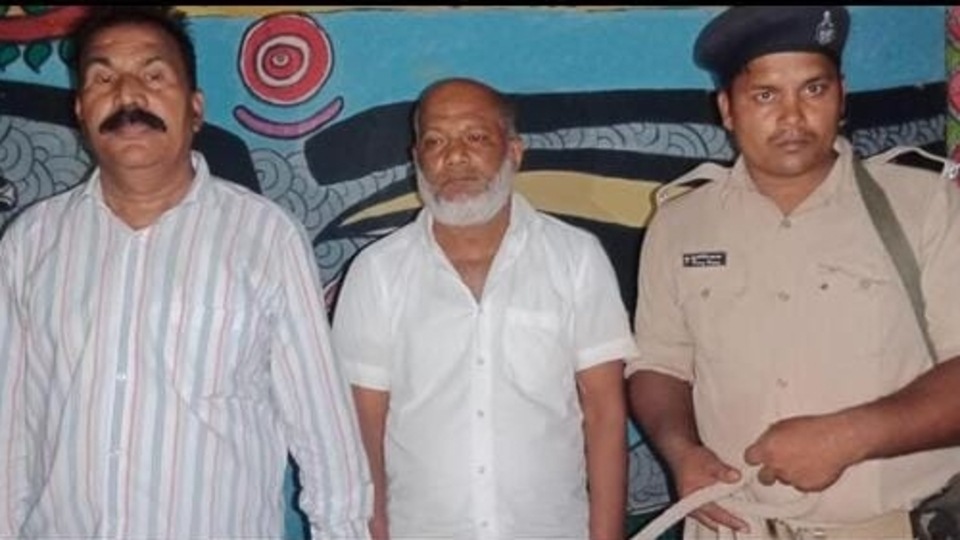
After the Home Ministry order handing over the case to NIA on July 22, the FIR lists 26 persons as accused with majority of them having links with PFI, a Ahle-Hadith outfit which portrays itself to be an umbrella Muslim organization with the objective of delivering social justice for the masses. The suspected extremists were trained in Phulwari Sharif 15 days ahead of PM Modi’s visit with meetings held on July 6 and 7 with a plan to target the PM. The raid was conducted on the basis of intelligence input and a document titled—2047 India towards rule of Islamic India—was recovered along with 25 PFI pamphlets.
The NIA is also conducting investigations into the Udaipur and Amravati savage killings with some of the arrested Islamists having links with PFI front Social Democratic Party of India (SDPI). All the accused appear to be radicalized during interrogation with little remorse after committing heinous murders.
The Phulwarisharif seizure, Udaipur and Amravati killings have led to alarm bells ringing in national security establishment over the spread of PFI, which gets significant funding through its multiple front organizations in Gulf Cooperation Council countries particularly Saudi Arabia, Qatar, Kuwait, UAE, and Bahrain.
While the PFI top leadership come from Kerala, Karnataka, Tamil Nadu, and area historically under Nizam regime in the past century, the radical Islamist organization was formed on November 22, 2006, by merger of three groups namely Karnataka Forum for Dignity, National Development Fund (Kerala), Manitha Neethi Pasarai (Tamil Nadu). The PFI today has a cadre of over 100,000 with presence on 24 states but its core essentially is made up of Islamists owing adherence to banned SIMI, which was excommunicated from the Jamait-e-Islami in 1990s. The Jamait-e-Islami has had known links with Muslim Brotherhood.
The PFI is known to take pan-Islamic positions time and again with its cadre protesting outside the Egyptian Embassy in Delhi in 2015 when the death sentence was handed over to former Egyptian president and Muslim Brotherhood leader Mohammed Morsi. The group has pronounced an anti-Zionist stance and has organized pro-Palestine protests all over the country earlier this decade. It has established external affiliates in West Asia for financial and political support particularly in Qatar and Kuwait so that political shelter is available to its leadership should the need arise.
The Qatar Indian Social Forum was formed in December 2014 to raise funding and organize the cadre. The Rehab India Foundation, another front, has selected several Muslim-dominated villages in India and channels Qatar funding to them. The group has several active funding collecting fronts in Oman, Abu Dhabi, and Kuwait. Last year, two officials of Qatar Embassy in New Delhi were sent back as they were routing funds from Doha to the PFI.
The PFI-SDPI are under the magnifying glass of the national security as the group is currently radicalizing the Muslim youth on the basis of remarks by Nupur Sharma.


