
 E-Paper



No case: CCI closes case against Goa taxi unions over anti-competitive practices
The regulator took up the case based on newspaper reports. It also cited a change.org petition addressed to the Goa chief minister in 2017 for allowing the app-based taxi aggregator services in the state because of the “dismal state of affairs of public transport”


The Competition Commission of India, which in 2018 took up a case on its own against Goa’s taxi unions for allegedly resorting to anti-competitive practices and cartelisation to deny entry to app-based aggregators, closed it on June 22. It cited lack of evidence and said no case was made out for violation of Section 3 of the Competition Act, 2002 (abuse of dominant position).
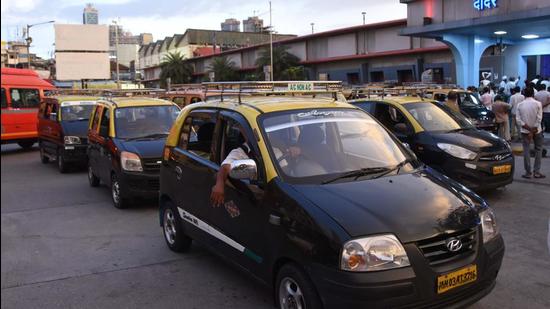
The regulator took up the case based on newspaper reports. It also cited a change.org petition addressed to the Goa chief minister in 2017 for allowing the app-based taxi aggregator services in the state because of the “dismal state of affairs of public transport”.
The Commission in 2018 directed its director-general to investigate the matter and submit a report. In its interim order, the regulator said the “conduct of taxi unions in not allowing any app-based service providers in the State of Goa, was putting a restraint on services based on technology and limiting the competition”.
Also Read | Goa moves HC against Tejpal order
The director-general submitted a report in January 2020, saying there were no fare meters and organised groups of taxi operators in Goa control the rates as well as the routes”. The report added tourists in Goa were being overcharged. It said the government introduced GoaMiles, a taxi smartphone app, “subsidising the taxi fares by almost half of what one would pay to a taxi driver off the street.”
The report said the unions not only organised demonstrations and strikes but also physically intimidated various other stakeholders. It added anti-competitive practices reports were correct.
The North Goa Tourist Taxi Owners Association contested the report saying it was solely based on selective newspaper reports and that “not even an attempt was made to consider and to investigate equally.” It pointed to the exclusion of “‘relevant material” in the form of news articles, studies, which reflected “poorly on the conduct of these app-based taxi aggregators”.
The operators maintained they cannot be faulted for democratically and peacefully voicing their opposition against the entry of players, which directly impacted their livelihood. They pointed out that despite their so-called anti-competitive lobbying with the government, the latter formulated a policy for the aggregators. The policy allows the aggregators to operate and to have dynamic pricing.
The Commission then ruled the actions of the taxi operators do not amount to an anti-competitive practice as defined in the Competition Act, 2002. It cited the government’s decision to allow the aggregators in Goa. “It is clear that despite the opposition, the State of Goa does not appear to have acceded to or conceded to the demands of the Ops (taxi operators), and the policy allowing entry of app-based taxi aggregators was eventually notified.”


