E-Paper



‘No functions or 5-star hotel stay’: Assam cuts costs to fight Covid-19
The Assam government has decided not to cut salaries of its employees for the month of April. But instead of paying it on the first of every month, this time it will be paid on the eighth day of the new month.


The Assam government on Wednesday initiated a set of austerity measures to tackle the economic crisis that has resulted from the nationwide lockdown to control the spread of Covid-19.
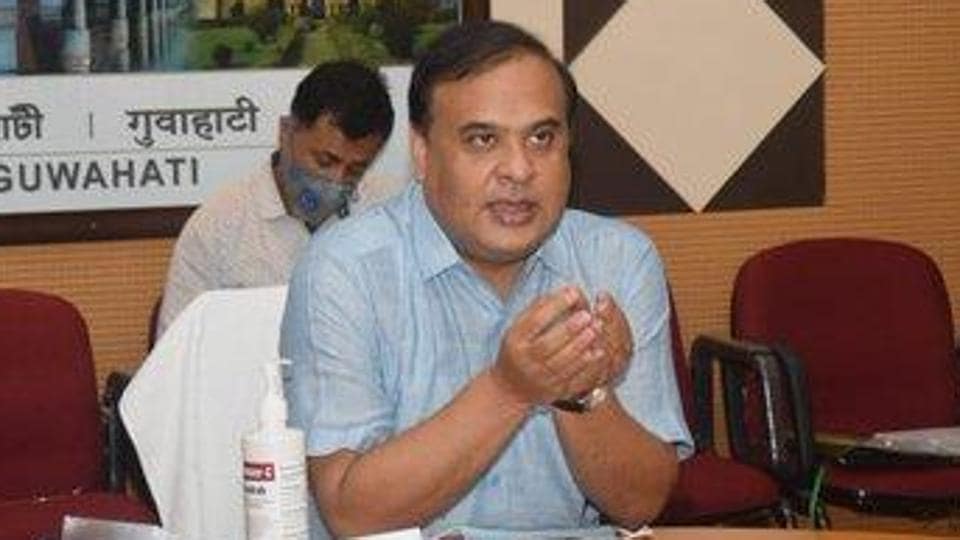
“Like the health crisis created by Covid-19, a similar crisis is looming over the economy because of the disease. In order to tackle it, we have prepared a list of austerity measures,” health and finance minister Himanta Biswa Sarma said.
The government had decided earlier that there will be a 30% cut in salaries of Governor, Chief Minister, ministers and MLAs from April. From now there will be a 25% cut in the salaries of chairman, vice-chairman of PSUs and government boards and corporations.
However, the government has decided not to cut salaries of its employees for the month of April. But instead of paying it on the first of every month, this time it will be paid on the eighth day of the new month.
“No new scheme or project will be implemented without prior approval of the finance department and establishment expenditure for the first four months of the financial year, from April to July, will be reduced from 20% of the budget allocation to 10%,” Sarma said.
There will be no industrial reimbursement to factories for the first four months of the financial year, no new vehicles to be purchased by government departments without approval of CM and no conferences, workshops, seminars, functions or fairs held till July.
“Except Governor, CM, Chief Justice and other judges of the High Court and the chief secretary, no one will be allowed to travel in executive class. Government employees won’t be allowed 5-star hotel accommodation when they travel outside the state,” Sarma said.
Foreign travel and training for government employees will not be allowed except for those funded by the Centre or foreign agencies. Similarly, there will be no allocation of MLALAD funds for the first four months of the financial year.
Giving details of how the crisis has affected Assam’s economy, Sarma informed that while GST collections for April 2019 was ₹932 crore, this month the figure was just ₹193 crore — a drop of 80% in collection.
Likewise, revenue collection from sale of liquor dropped from ₹65 crore in March this year to just ₹6 crore in April. Tax collection from sale of petroleum products dipped from an average of ₹340 crore per month to just ₹60-70 crore this month.
The state government needs ₹3,600 cr every month to pay salaries, pension and interest on loans.
“As it is a developing scenario, we will take additional measures in coming days and weeks depending on how the situation unfolds. I believe we will be able to come out of this crisis (without much damage), but we need generous help from the Centre,” Sarma said.