E-Paper



No mpox case in India so far, monitoring situation closely: Health ministry
Union health minister JP Nadda reviewed the situation at a high-level meeting with senior officials amid concerns over a rise in monkeypox cases in some parts of the world

 Prefer HTon Google


No cases of monkeypox (mpox) have been reported in the country this year, the Union health ministry said in a statement on Saturday amid concerns over a rise in cases of the zoonotic disease in some parts of the world.
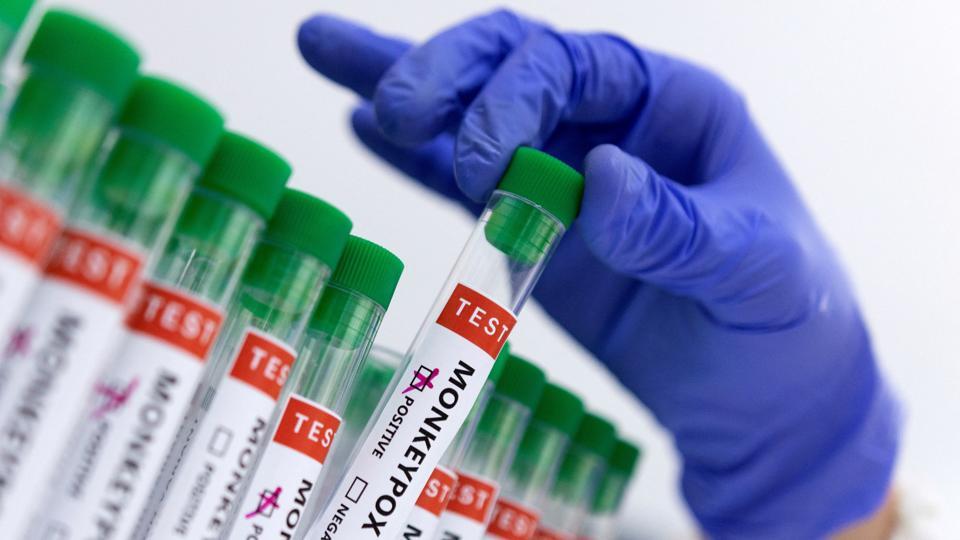
Health minister JP Nadda reviewed the situation at a high-level meeting with senior officials and measures including sensitising health units and gearing up health facilities will be put in place as a precautionary measure, the statement said.
“In the meeting chaired by the Union Health Minister, it was decided that as a matter of abundant caution, certain measures [such as sensitising the health units at all the airports, seaports, and ground crossings; readying the testing Laboratories (32 in no.); gearing up health facilities for detecting, isolating and managing any case, etc.] are put in place,” the statement said.
“Although the possibility of a few imported cases being detected in the coming weeks is not entirely ruled out, it was assessed that the risk of a large outbreak with sustained transmission is presently low for India. The situation is being monitored closely by the ministry,” said the health ministry.
On August 14, World Health Organization (WHO) director general Tedros Adhanom Ghebreyesus declared Monkeypox a Public Health Emergency of International Concern (PHEIC) — the second such announcement in two years.
Monkeypox is a viral zoonosis (a virus transmitted to humans from animals) with symptoms similar to those seen in the past in smallpox patients. According to WHO, it is clinically less severe than smallpox.
The disease can be transmitted through direct contact with bodily fluids or the lesions of the infected person. It can also be spread through indirect contact with lesion material, such as through contaminated clothing or linen.
The disease was declared a global emergency in 2022 as well when several cases were reported from outside of central and west Africa where it is typically found.
Since the 2022 declaration, 30 cases have been detected in India with the last being reported in March this year.