E-Paper



No relaxation in 75% class 12 marks rule for IIT admissions, says Joint Admission Board
The demands were made in the wake of growing concerns among students over the delay in re-evaluation process of CBSE exams.

 Prefer HTon Google


There will be no change in the minimum 75% marks criterion for admission to the Indian Institutes of Technology (IITs) through JEE (Advanced) 2026, the Joint Admission Board (JAB) clarified on Thursday amid demands for one-time relaxation in Class 12 eligibility requirements.
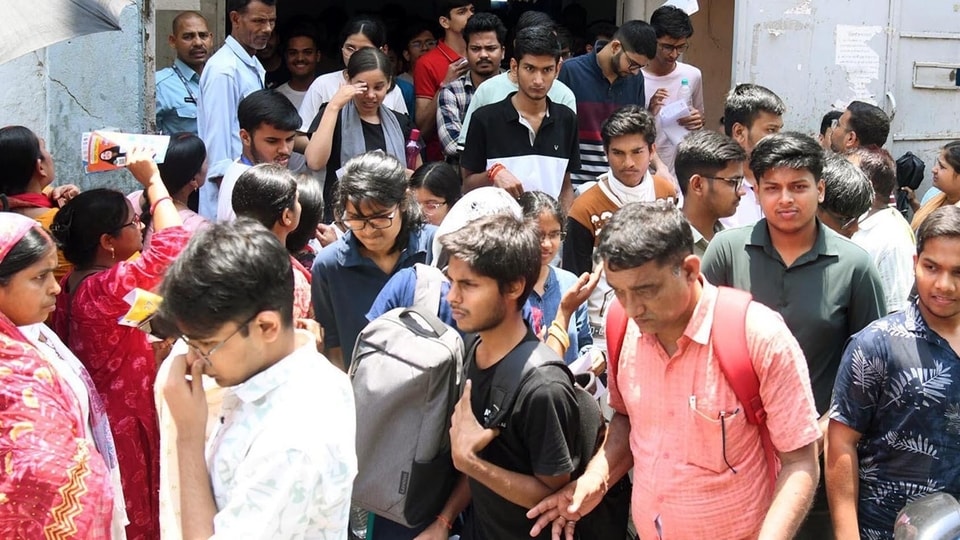
The demands were made in the wake of growing concerns among students over the delay in re-evaluation process of Central Board of Secondary Education (CBSE) exams after the introduction of On-Screen Marking (OSM) system this year.
ALSO READ | IIT Roorkee refutes JEE Advanced data breach allegations, calls social media claims misleading
Eligibility criteria cannot be lowered
Responding to demands from students and parents amid delays in final CBSE results due to ongoing re-evaluation requests, JAB, chaired by IIT Roorkee director Kamal Kishore Pant, said the eligibility criteria cannot be lowered because candidates from 36 different school boards participate in the admission process.
“No relaxation in marks as candidates from 36 different boards are participating. We published this criterion almost in December and last year there were candidates who lost IIT/NIT seats mainly due to percentages. Hence, lowering is not possible; however, we are in close touch with CBSE and will try to resolve this for all those affected candidates on priority,” the JAB said in a statement.
What the board said earlier
Earlier on June 1, Pant said all JEE (Advanced) qualified candidates should participate in JoSAA counselling 2026 irrespective of their Class 12 marks.
“However, the final admission shall remain subject to the fulfilment of the percentage-related eligibility requirements and other applicable conditions prescribed in the JEE (Advanced) 2026 Information Brochure,” he said.
ALSO READ | IIT denies JEE-Advanced data breach claim: 'Minimal, temporary misconfiguration’
A total of 56,880 candidates qualified JEE (Advanced) 2026, a 4.6% increase over last year. Of them, 46,773 are men and 10,107 are women — the highest number of women ever to qualify for the examination.
The qualified candidates will compete for 18,951 B Tech seats across 23 IITs through the counselling process conducted by the Joint Seat Allocation Authority, meaning only about one in three qualified candidates will ultimately secure an IIT seat.
Under IIT admission rules, candidates must secure at least 75% aggregate marks in Class 12 (65% for SC, ST and PwD candidates) or be among the top 20 percentile successful candidates in their respective school boards.
The JoSAA 2026 counselling registration and choice-filling process officially opened on June 2, 2026. The window for registration and choice filling is open until June 11 and this year’s counselling will be conducted across 5 rounds of seat allocation till July 21.