
 E-Paper



Odisha: Six elephants die of haemorrhagic septicemia
Investigation of samples of six dead elephants and a dead cow in the sanctuary has revealed the cause of death to be haemorrhagic septicaemia caused by the bacteria Pasteurella multocida


There is an outbreak of haemorrhagic septicaemia caused by the bacteria Pasteurella multocida in Odisha’s Karlapat Wildlife Sanctuary, the union environment ministry has confirmed.
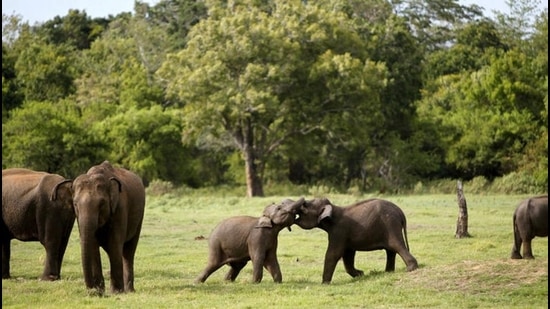
The central investigation team of Project Elephant Division visited Karlapat Wildlife Sanctuary, Kalhandi south division, following seven deaths in the sanctuary.
Investigation of samples of six dead elephants and a dead cow in the sanctuary, by Odisha veterinary college, has revealed the cause of death to be haemorrhagic septicaemia caused by the bacteria Pasteurella multocida. The samples have been sent to IVRI for confirmatory diagnosis.
Also Read | Six elephants die of bacterial disease in Odisha, highest in any sanctuary
Meetings were also held with the district collector and district veterinary team on the measures to be taken to prevent further spread of the disease. Vaccination of cattle inside the sanctuary and in the fringe villages has also been done.
While four female elephants were found dead in the Karalapat Wildlife Sanctuary of Kalahandi between February 1 and 12, two more died by February 14 taking the death toll to six.
The disease affects mainly water buffaloes, cattle, and bison in tropical areas of southeast Asia where the population of water buffaloes is high. Acute infection can persist up to three days and less often 5 days. The disease and is characterised by high fever ranging 104°–106°F, restlessness and reluctance to move, hypersalivation and nasal discharge.


