
 E-Paper



'Only electric two-wheelers from April 2028': Delhi's draft EV policy is in, suggestions sought
Government of NCT of Delhi has released a draft Electric Vehicle Policy 2026-2030, with deadlines for switching away from petrol and diesel vehicles.

 Prefer HTon Google


If you ride a two-wheeler in Delhi and plan to buy a new one after April 1, 2028, it may have to be electric if this policy goes through. This is a main provision of the draft Delhi Electric Vehicle Policy 2026–2030, released by the BJP government on Saturday.
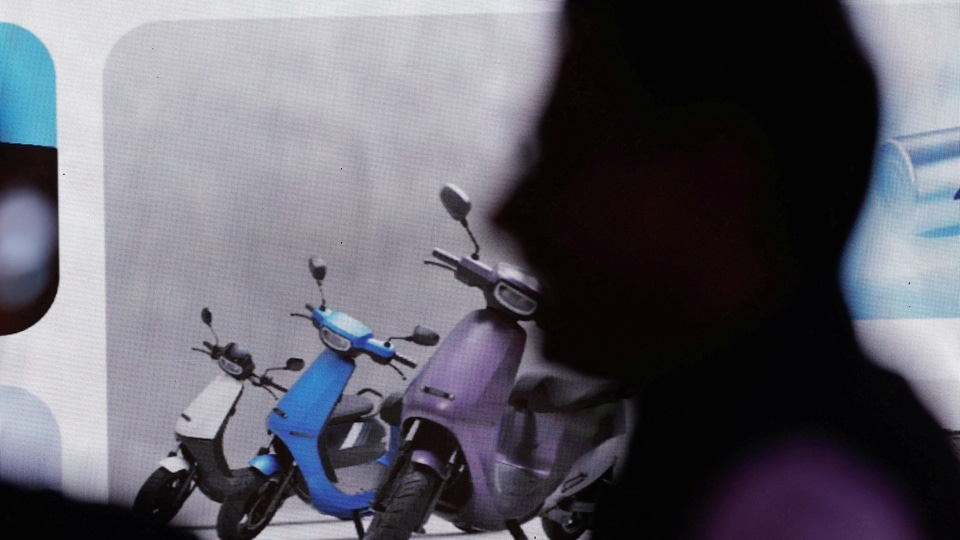
The policy, open for public comment for the next 30 days, lays out a phased roadmap to remove internal combustion engine (ICE) vehicles from the roads across personal, commercial, and government use. It is backed by a set of purchase incentives, scrapping bonuses, and tax breaks.
For most Delhi residents, the most immediate benefit is that any electric car priced up to ₹30 lakh (ex-showroom) will attract zero road tax and zero registration fee until March 31, 2030. The saving can run between ₹1.5 lakh and ₹2.5 lakh depending on the vehicle.
‘Strong hybrid’ cars in the same price bracket get a 50% road tax and registration fee exemption.
EVs above ₹30 lakh get no such benefit, as the Rekha Gupta government keeps subsidies away from luxury buyers.
If you are scrapping an old BS-IV or lower-emission car to buy a new electric one, there is an additional incentive of ₹1 lakh, provided the new purchase happens within six months of getting the scrapping certificate, and the car's price does not exceed ₹30 lakh. Scrapping incentive for electric two-wheelers is ₹10,000; for electric three-wheelers, it's ₹25,000.
The policy proposes purchase incentives for two-wheelers based on battery size. It would be ₹10,000 per kWh of battery capacity in the first year after notification, up to a maximum of ₹30,000. This comes down to ₹6,600 per kWh (max ₹20,000) in year two, and ₹3,300 per kWh (max ₹10,000) in year three. Only two-wheelers priced under ₹2.25 lakh ex-factory are eligible. The phases are apparently meant to ensure people adopt the change quickly as the incentive reduces over time.
Hard deadlines
The policy draft also proposes registration cutoffs that are more aggressive than anything Delhi has attempted before.
From January 1, 2027, only electric three-wheelers and auto-rickshaws would be allowed fresh registrations in the city.
From April 1, 2028, the same rule would apply to all two-wheelers.
For auto-rickshaw drivers, there is a flat purchase incentive of ₹50,000 in the first year; ₹40,000 in the second; and ₹30,000 in the third year of the policy. This will be applicable both to those replacing old CNG autos and to first-timers.
Commercial fleets and government vehicles
The ban on new petrol and diesel vehicles in aggregator and delivery fleets — covering companies like Ola, Uber, Zomato, and Swiggy, among others — is technically already in effect from January 1, 2026. BS-VI two-wheelers were given a grace period until December 31, 2026. From 2027, these fleets must go fully electric, as per the policy.
All new government vehicle purchases will be electric. Thirty per cent of school buses must be electric by 2030, and all new government buses will have to be electric going forward, says the draft.
Charging and battery infrastructure
Delhi Transco Limited has been designated to lead the expansion of public charging stations and battery swapping stations.
A single-window clearance system is proposed to speed up approvals for new charging infrastructure.
On battery disposal, the Delhi Pollution Control Committee will set up collection centres across the city through public-private partnerships, while the environment department will track and quantify actual emission reductions from EV registrations using a transparent methodology, says the draft.
Delhi's earlier EV policy, launched in 2020, was largely incentive-driven. The new draft goes further by setting non-negotiable registration deadlines, targeting the segments that contribute highly to daily vehicular emissions.
How to respond
Feedback on the draft can be sent by email to evpolicy2026@gmail.com or by post to the Joint Commissioner (EV), Transport Department, GNCTD, 5/9 Underhill Road, Delhi – 110054, within 30 days of April 11, 2026.
"The proposed Delhi EV Draft Policy 2026 is a significant step towards establishing a clean, accessible and sustainable transport system in the capital. Extensive financial incentives, tax exemptions, mandatory provisions and infrastructure development have been emphasised to promote electric vehicles in Delhi," CM Rekha Gupta said in its release.
The government has earmarked a total outlay of ₹3,954crore for the policy. This includes ₹1,236 crore for purchase incentives, ₹1,718 crore for incentives on scrapping; and ₹1,000 crore for charging infrastructure development.


