
 E-Paper



Pak PM virtually rules out India food import over Kashmir
The development also came a day after Pakistan’s finance minister said Islamabad could consider food imports from India to overcome shortages caused by devastating floods

 Prefer HTon Google


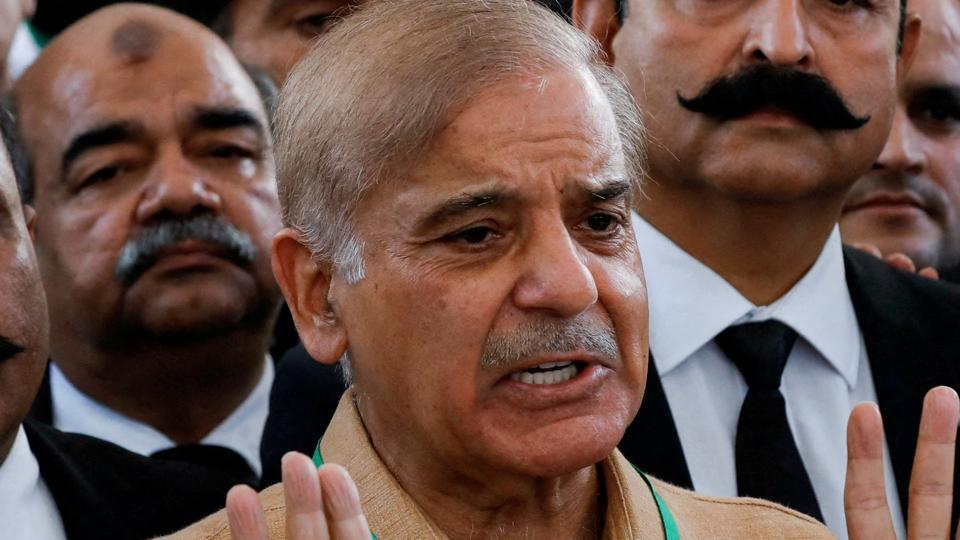
A day after Pakistan’s finance minister said Islamabad could consider food imports from India to overcome shortages caused by devastating floods, Prime Minister Shehbaz Sharif virtually ruled out the possibility and sought to link the matter to the situation in Jammu and Kashmir (J&K).
The development also came a day after Prime Minister Narendra Modi expressed sadness at the devastation caused by the floods in Pakistan and extended condolences to those affected by the natural calamity, raising hopes for possible cooperation between the two countries.
Sharif faced a volley of questions on possible food imports and resumption of trade with India when he briefed the international media in Islamabad on Tuesday on the unprecedented floods that have resulted in more than 1,000 deaths and displaced 33 million people.
“There won’t have been problems about trading with India but genocide is going on there and Kashmiris have been denied their rights. Kashmir has been forcibly annexed through abolition of Article 370,” Sharif said, referring to India’s 2019 decision to scrap the special status of J&K and to split the region into two Union territories.
“I am, however, ready to sit and talk with Prime Minister Narendra Modi. We cannot afford war. We will have to dedicate our meagre resources for alleviating poverty in our respective countries, but we cannot live in peace without resolving these issues,” Sharif said.
He added, “We shouldn’t be doing politics at this point, but it is a fact that minority rights are being subjugated in India... We want peace in the region. We are neighbours not by choice.”
Sharif also emphasised that peace can “come only through sensible actions”.
There was no immediate response from Indian officials to Sharif’s remarks.
On Monday, Pakistan’s finance minister Miftah Ismail told a media interaction that his country could consider importing vegetables and other food items from India to help people cope with the widespread destruction of crops in flash floods. “If the supply is affected, the import of vegetables will have to be opened. If we have to import vegetables from India, we will do so,” Ismail was quoted as saying.
In August 2019, Pakistan suspended all trade with India as part of retaliatory measures against New Delhi’s decision to scrap the special status of J&K. Pakistan also downgraded diplomatic ties with India and expelled the Indian envoy in Islamabad.
In 2019, India withdrew the Most Favoured Nation status for Pakistan as part of its response to a suicide attack at Pulwama that killed 40 Indian troopers. That attack was blamed on Pakistan-based Jaish-e-Mohammed (JeM).
The former government of Imran Khan announced a move for limited resumption of trade with India in April 2021, but did a U-turn just a day later due to opposition to the proposal from hardliners within the cabinet.
People familiar with the matter said Pakistan is now eyeing the option of importing wheat from Russia and vegetables and other food items from Afghanistan and Iran. Sharif has set up a committee under planning minister Ahsan Iqbal to explore possible options for importing food items, including vegetables, to overcome severe shortages.



