
 E-Paper



Pakistan has artillery to fight only for 4 days: Report
The shortage stems from Pakistan’s recent arms transfers to Ukraine, particularly the export of 155mm artillery shells.

 Prefer HTon Google


Pakistan’s military is grappling with a critical shortage of artillery ammunition, severely undermining its operational readiness and raising concerns about its ability to withstand even a brief high-intensity conflict, reports news agency ANI. The Pakistan Army currently possesses enough ammunition to sustain combat for just 96 hours, a development that has triggered serious alarm within military circles, the report states quoting sources.
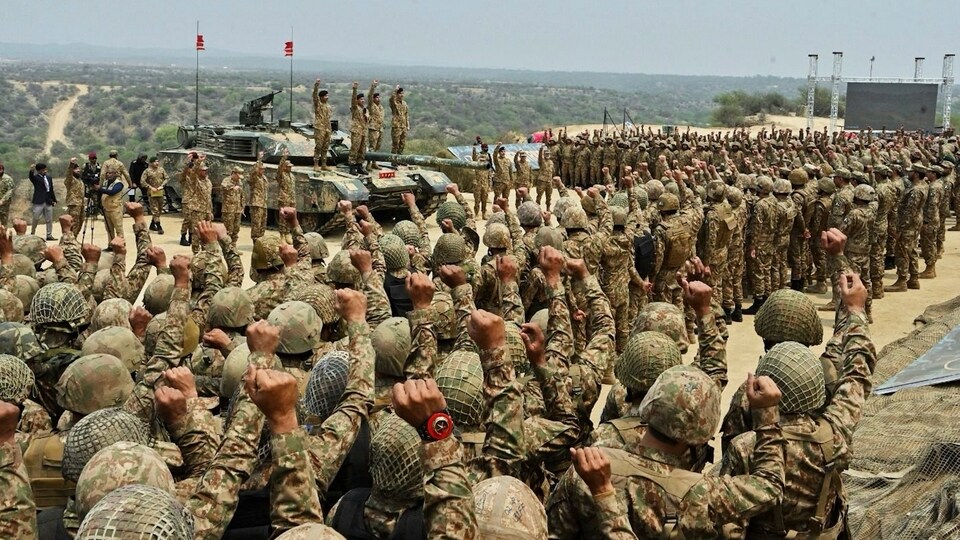
The shortage stems from Pakistan’s recent arms transfers to Ukraine, particularly the export of 155mm artillery shells - crucial to Pakistan’s artillery-heavy doctrine. These exports, conducted amid surging global demand and lucrative contracts, have reportedly drained the country’s strategic reserves, leaving its powerful M109 howitzers and BM-21 rocket systems dangerously understocked.
Pakistan Ordnance Factories (POF), the nation’s primary munitions producer, has been unable to keep up with replenishment demands due to outdated infrastructure and limited production capacity. Despite POF’s stated priority to meet domestic needs, it has struggled to do so under current conditions, officials familiar with the matter told ANI.
The report also states that the gravity of the situation was a key agenda item during a Special Corps Commanders Conference held on May 2. Pakistani military hierarchy is deeply concerned up to some limits of panic.
Former Army Chief General Qamar Javed Bajwa had previously warned of Pakistan’s limited capacity for sustained warfare, citing both economic and logistical constraints. The country’s ongoing economic crisis - marked by skyrocketing inflation, rising debt, and dwindling foreign exchange reserves - has forced the military to suspend training exercises, cut down on rations, and even cancel scheduled war games due to fuel shortages.
In preparation for a potential confrontation, intelligence reports indicate Pakistan has begun constructing new ammunition depots closer to the Indian border. However, without sufficient stockpiles to fill them, analysts argue, such measures offer little strategic value.
“Pakistan sailed its ammunition to distant wars, only to find itself stranded, its arsenals empty, and its defences teetering on the edge,” a senior defense analyst told ANI. “The pursuit of short-term economic gain has inflicted a long-term strategic wound.”
India-Pak tensions rise
The report comes at a time when tensions between India and Pakistan are high following the Pahalgam terror attack. Twenty six people, mostly tourists, were killed by terrorists in a brutal attack on April 22.
Following the terror attack, India announced a series of measures against Pakistan. These included the suspension of the Indus Waters Treaty, closing the Integrated Check Post at Attari and reducing the staffing of High Commissions.
The government also cancelled all types of visas granted to Pakistani nationals and ordered them to leave by April 30. India also closed its airspace for flights operated by Pakistan Airlines.
(with ANI inputs)


