
 E-Paper



After UNSC and US snub, Pakistan goes to UN human rights body against India
The move comes after the country’s abject failure to secure an outcome from a UN Security Council meeting on August 16.

 Prefer HTon Google


Pakistan has deployed former foreign secretary Tehmina Janjua, also a former permanent representative of Pakistan at the United Nations Human Rights Council (UNHRC), to get the Geneva-based UN body to issue a resolution against India on alleged human rights violations in Kashmir as the country tries to keep the issue alive on the international stage, top diplomats in New Delhi, Geneva and New York said.
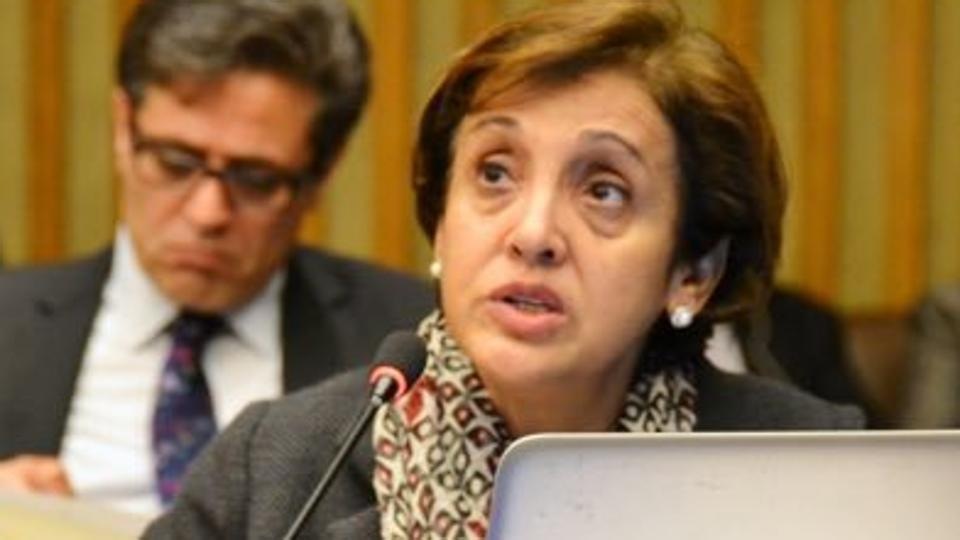
The move – reported previously, although details of Janjua’s participation are only available now — comes after the country’s abject failure to secure an outcome from a UN Security Council meeting on August 16. Pakistan’s focus is now on the 42nd session of the UNHRC in Geneva to get a resolution from the 47-member body.
UNHRC meets from September 9 to September 27 — the day Pakistan Prime Minister Imran Khan will speak at the UN General Assembly (UNGA).
Also watch| Kashmir: Decoding Modi’s diplomatic curveball & Imran Khan’s nuclear bluff
“Pakistan knows that it will be booted out from the General Assembly on Kashmir and has hence decided to focus on a smaller body with India as a member in a bid to secure a resolution or statement on what is essentially an internal matter of India,” said a senior UN diplomat, who asked not to be named.
HT has previously reported that Pakistan Prime Minister Khan will focus almost exclusively on Kashmir during the address.
The report added that Indian Prime Minister Narendra Modi, who is also scheduled to address the UNGA, will speak on broader global issues.
In a letter written to UN high commissioner for human rights Michelle Bachelet Jerin on August 21, Pakistan foreign minister Mukhdoom Shah Mahmood Qureshi had accused India of deploying more than 880,000 troops in Jammu and Kashmir, turning it into what he calls is world’s most militarised zones. The total strength of the Indian army is 1.1 million.
“ Since August 5, reportedly an additional 6,000 people including political leaders, professionals and activists have been arrested. Many of Kashmir’s prominent leaders have been transported to jails in New Delhi and other parts of India. There are reports of the abduction of young boys from their homes by Indian security forces and they are being subjected to torture, inhuman and degrading treatment. Several peaceful demonstrations have been suppressed by extreme force, including the use of pellet guns, killing unarmed demonstrators and injuring or maiming others. Free movement remains banned,” Qureshi alleged without offering any substantiation.
According to the Jammu and Kashmir Police, no lives have been lost due to the actions of security forces after August 6, when the Lok Sabha passed resolutions and laws to bifurcate the region into two union territories, and scrap constitutional provisions that gave it special status and its permanent residents special privileges.
Apart from alleging that communications had been shut down in the Valley, Qureshi claimed in his letter that Muslims are not allowed to perform their religious obligations and the Kashmiris have no access to hospitals, medicines and food supplies.
The Pakistan foreign minister has sought support of the UNHCR on five points that includes not allowing India to change the demographic composition of the Muslim majority valley by giving non-Kashmiris property rights.
Islamabad has asked the UN body to allow unhindered access to human rights bodies and international media into Jammu and Kashmir as well as set up a commission of inquiry to investigate so-called human rights abuses in Kashmir.
After Pakistan circulated this letter to all members of UN, India has also stepped up its counter by presenting the true narrative on ground in Jammu and Kashmir. Even though chances of Pakistan securing an outcome are quite remote in the UNHRC meeting, all eyes are now on Geneva.


