
 E-Paper



General Rawat favours pension cost cut, colonial bungalows to go away
Gen Rawat is learnt to be in favour of increasing the retirement age of certain classes of non-combatants and medical staff to 58 years from 39 to cut the bill. In 2019-2020, the pension bill amounted to Rs 1.13 lakh crore.

 Prefer HTon Google


Chief of Defence Staff Bipin Rawat and the three service chiefs are in intensive discussions on reducing the burgeoning pension cost to the exchequer by gradually increasing the retirement age of some non-combatants, prioritising hardware purchases and generating internal resources for military housing in cantonments.
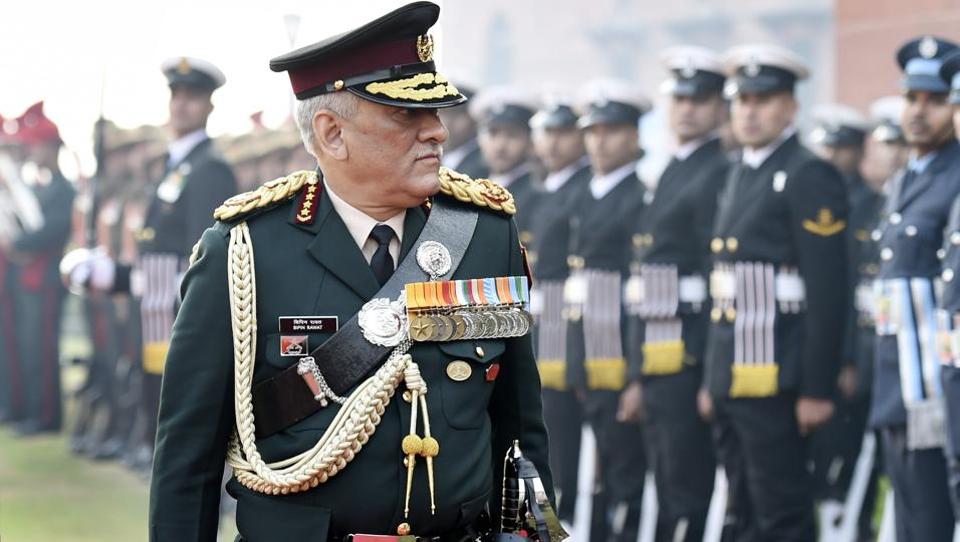
With the military pension budget mounting to Rs 1.33 lakh crore , or 0.5% of gross domestic product, in fiscal 2020-21, from Rs 41,000 crore in 2010, and Rs 6-7,000 crore of expense looming in June for the equalisation of pension under the One Rank, One Pension (OROP) scheme, Gen Rawat is learnt to be in favour of increasing the retirement age of certain classes of non-combatants and medical staff to 58 years from 39 to cut the bill.
In 2019-2020, the pension bill amounted to Rs 1.13 lakh crore.
Although the military top brass is still to come to terms with the proposal on concerns that it will lead to a greying force, Gen Rawat’s move could entail a longer stint in service for around 400,000 non-combatants, saving around Rs 4,000 crore in pension cost. The plan includes retiring 60 non-combatants in each of the 450 infantry battalions at the age of 58 and the same applies to armoured regiments. The increase in the retirement age to 58 is expected to be gradual.
Reforms also loom in the military housing sector with colonial bungalows giving way to future vertical housing with the armed forces generating their own resources to fund these projects. Called the “New Moti Bagh Model”, the CDS wants infrastructure agencies like the National Highways Authority of India (NHAI) to fund military housing projects (as per military specifications and under its monitoring) in lieu of compensation for acquiring cantonment lands.
The military plans to generate some Rs 35,000 crore in the next seven to eight years, and the defence ministry is in support of the effort. “The days of Corps Commander living on a hill with a sprawling bungalow are over. Time has come for military commanders to stay in flats and in one building,” said a senior general who didn’t want to be named.
With the CDS and the department of military affairs now responsible for all officer-level promotions and the prioritising of military hardware purchases, Gen Rawat along, with the three service chiefs, is pushing more for indigenisation, with the prime focus being on the Indian Ocean Region (IOR) and the neighbourhood.
“The new aircraft carrier INS Vikrant is expected to be ready for sea trials this year and so is the nuclear ballistic missile submarine INS Arighat, India should dominate the IOR with active airbases on both Andaman and Nicobar Islands and soon to be extended Agatti air strip at Lakshadweep by reclaiming land,” the senior general cited above said.
“First step is IOR and then next is Indo-Pacific. The air force is ready to use Tejas fighter with top-of-the-line Rafale fighter deliveries to start this year. Army should be equipping its front-line troops with the best of assault rifles and ammunition,” he said.
The reforms are expected to culminate in setting up of separate theatre commands by the end of three years. The department of military affairs has already an additional secretary and six joint secretaries and a host of other directors and deputy secretaries to fulfil the mandate.


