
 E-Paper



Plea in Supreme Court seeks panel to analyse Agnipath scheme impact
The petition sought a direction from the court to set up an expert panel headed by a retired Supreme Court judge to study the impact of the scheme on “national security and Army of our nation”.


The Supreme Court should set up a committee to evaluate the impact the new Agnipath recruitment scheme for the armed forces will have on national security, and also establish a special investigation team to enquire into the large-scale violence leading to destruction of public property following the launch of the scheme on June 14, lawyer Vishal Tiwari requested in a petition to the top court on Friday.
Referring to the widespread protests over the scheme that provides for a four-year tour of duty in the armed forces, the public interest litigation filed by advocate Vishal Tiwari said, “Such experimental radical change in the structure and pattern of the military can lead to severe strategic uncertainties which could compromise the national security of the country.”
Seeking an expert committee to examine the scheme before its implementation, the petition sought a direction from the court to set up an expert panel headed by a retired Supreme Court judge to study the impact of the scheme on “national security and Army of our nation”.
The concern over the scheme, according to the petition, arises out of the short length four years of service with no retirement benefits. “The defence aspirants during their protests have alleged that this Agnipath scheme leads to a road of uncertainty for soldiers who will have to leave the services after four years,” the plea stated.
After four years, 25% of those hired under the scheme will be retained and rest of the recruited personnel, referred to as Agniveers, will have to leave with a lump sum being paid to them at the end of their service.
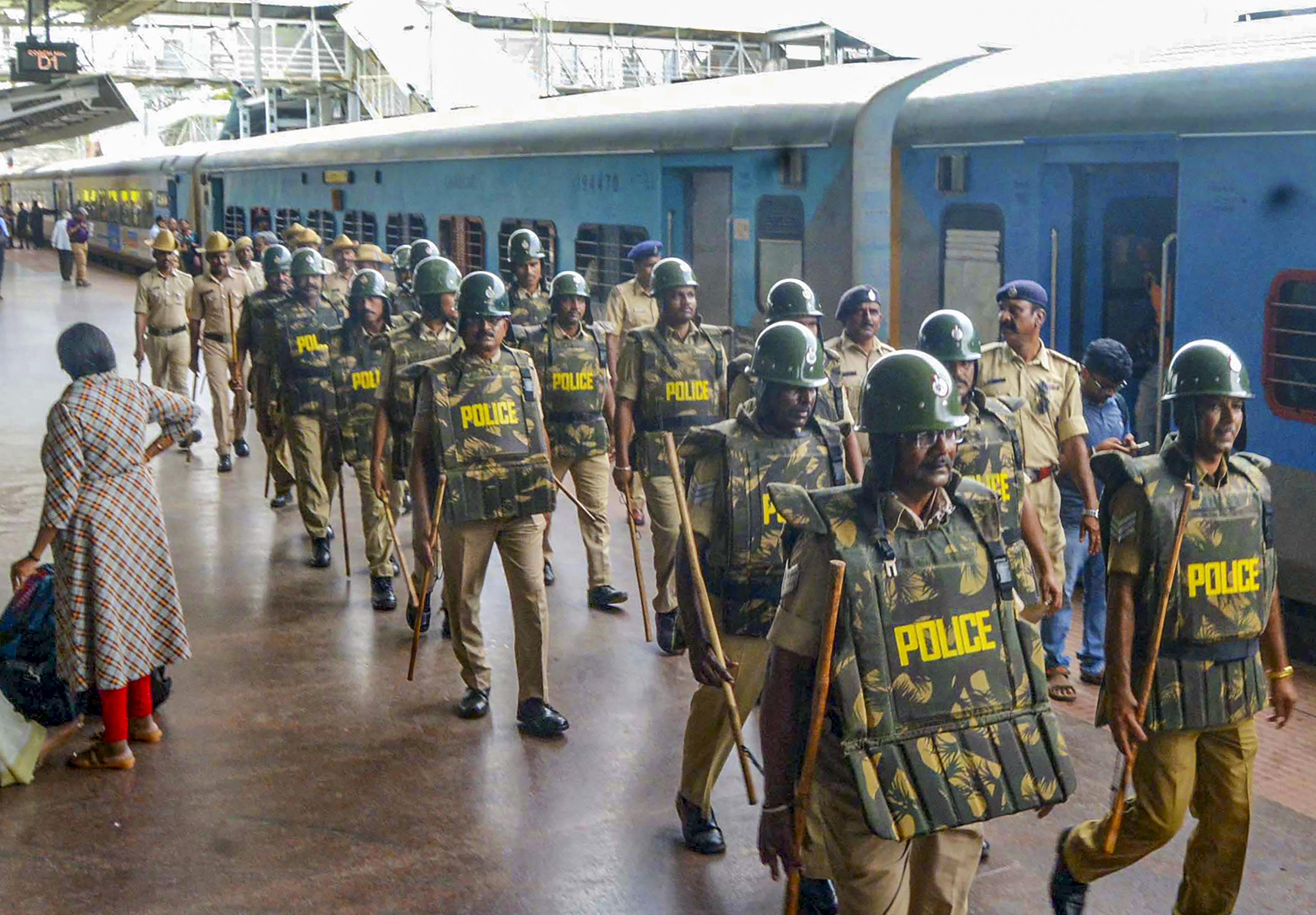
The petition referred to the violence that erupted following the launch of the scheme and demanded a status report on the protests from the states of Uttar Pradesh, Rajasthan, Bihar, Haryana, and Telangana, which saw burning of trains, destruction of public property, blockage of highways, and stoppage of public services.
The petition demanded a special investigation team to enquire into the protests, assess damage caused to public property, and appoint a claim commissioner as per a 2009 decision of the Supreme Court to recover damage caused to public property.
Referring to the demolition action undertaken recently by the Uttar Pradesh government to punish those who indulged in arson and violence in the state during protests over derogatory remarks made against Prophet Mohammad by two functionaries of the Bharatiya Janata Party (BJP), the petition said: “In the protest against the Agnipath scheme, a large damage has been caused to Railway and other government properties. Is the Government going to initiate some action against those who set fire to trains, will any bulldozer be run on their houses?”
In Secunderabad, one person was killed and three others injured during police firing on protesting youngsters. In Bihar, several bogies of at least two trains were set on fire at Lakhisarai and Samastipur railways stations. In Uttar Pradesh, police and public vehicles were torched, and in Odisha, an armed forces aspirant reportedly committed suicide, even as the protests have led to cancellation of over 200 trains and buses with highways being blocked.
“The rule of law is at stake and there has been severe violation of fundamental right to life of people against the mala fide and arbitrary scheme of the government resulting in such havoc,” the petition said. “This situation requires the immediate judicial intervention.”
Expert comment on whether such a petition could be admitted.


