
 E-Paper



PM Modi condoles demise of Hindustani classical singer Ustad Rashid Khan
Prime Minister Narendra Modi on Tuesday condoled the demise of music maestro Ustad Rashid Khan and said, "his passing leaves a void that will be hard to fill."

 Prefer HTon Google


Prime Minister Narendra Modi on Tuesday condoled the demise of music maestro Ustad Rashid Khan, saying that his passing leaves a void that will be hard to fill.
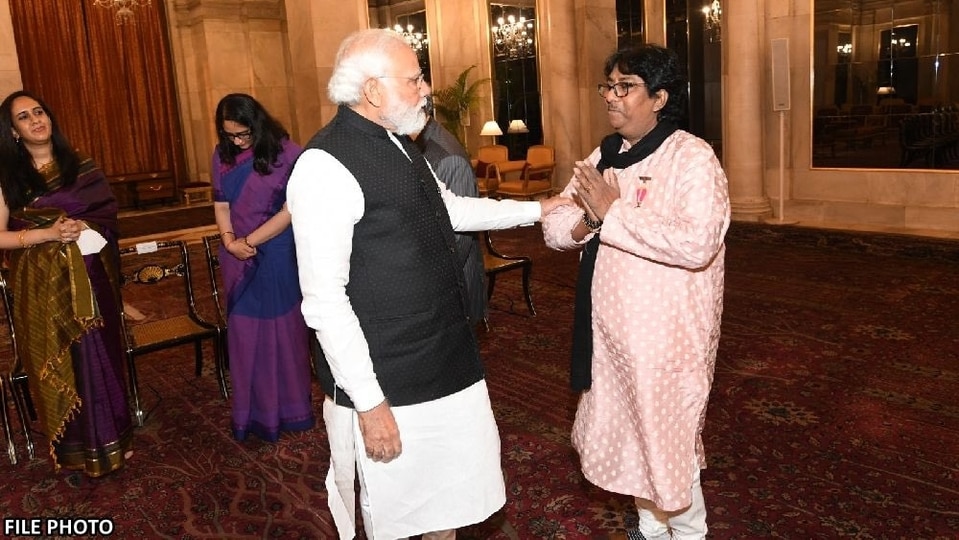
“Pained by the demise of Ustad Rashid Khan Ji, a legendary figure in the world of Indian classical music,” Modi took to X (formerly known as Twitter).
The prime minister said that Khan's unparalleled talent and dedication to music enriched our cultural world and inspired generations. "His passing leaves a void that will be hard to fill. My heartfelt condolences to his family, disciples and countless admirers," he added.
Khan, who was battling cancer, died in a private Kolkata hospital on Tuesday afternoon. He was 55. He will be laid to rest with state honours in the city on Wednesday.
The musician's health took a downturn after experiencing a cerebral attack last month. The 55-year-old from the Rampur-Sahaswan Gharana initially received treatment at Tata Memorial Cancer Hospital. However, at a subsequent stage, he opted to continue his treatment exclusively in Kolkata.
Read | Ustad Rashid Khan who leaves behind a legacy in Hindustani classical music
Born in Uttar Pradesh's Badayun Rashid Khan, who is also the nephew of Ustad Ghulam Mustafa Khan, received his initial training from his maternal grand-uncle Ustad Nissar Hussain Khan (1909–1993).
His musical talents were first recognized by his uncle, Ghulam Mustafa Khan, who provided initial training in Mumbai. However, the primary training was received from Nissar Hussain Khan, initially at his residence in Badayun.
At the age of eleven, Rashid Khan delivered his debut concert, and in the subsequent year, 1978, he graced the stage at an ITC concert in Delhi. Following this, in April 1980, when Nissar Hussain Khan transitioned to the ITC Sangeet Research Academy (SRA) in Calcutta, Rashid Khan, at the age of 14, also became a part of the academy.
Khan ventured into blending classical Hindustani music with lighter musical genres and engaged in experimental collaborations, including concerts with Western instrumentalist Louis Banks. Additionally, he showcased his versatility by participating in jugalbandis, sharing the stage with sitarist Shahid Parvez and other musicians.


