
 E-Paper



PM Modi rues lack of strategic vision of past regimes for poor border infrastructure | Analysis
With the on-going stand-off between Indian Army and Chinese People’s Liberation Army (PLA) in east Ladakh in mind, PM Modi took the example of 16,800 feet high airstrip at Daulet Beg Oldi post near the Karakoram Pass which could not be activated due to lack of political will from 1965 to 2008.

 Prefer HTon Google


At the inauguration of 9.2km long Atal Tunnel in Himachal Pradesh on Saturday, Prime Minister Narendra Modi lighted up three projects in the west, central and east India to underline that the previous government lacked strategic vision and pitched for a rapid border infrastructure upgrade to defend India.
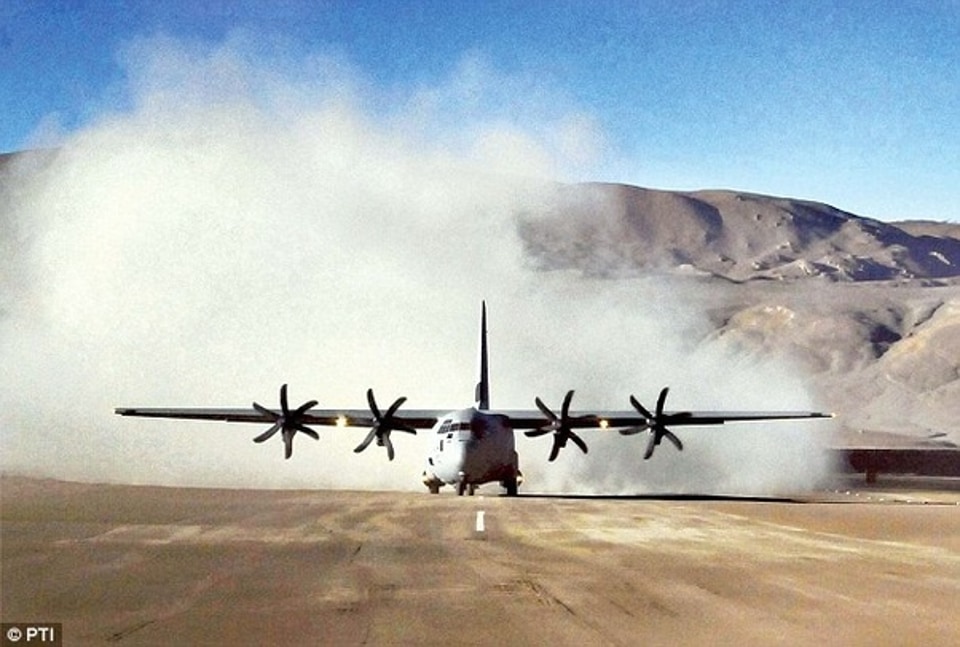
With the on-going stand-off between Indian Army and Chinese People’s Liberation Army (PLA) in east Ladakh in mind, PM Modi took the example of 16,800 feet high airstrip at Daulat Beg Oldi post near the Karakoram Pass which could not be activated due to lack of political will from 1965 to 2008. The advanced landing ground was activated by the Indian Air Force (IAF) in 2008 using a Russian AN-32 plane and the then United Progressive Alliance (UPA) government was informed after completion of the mission. The airstrip, which is vital for supplies to troops in DBO-Depsang Bulge area, is now used by C-130J Hercules aircraft much to the chagrin of the Chinese commanders.
Without referring to China, PM Modi also blamed the previous regimes for placing hurdles in way of Indian Army patrols along the Line of Actual Control (LAC) by not building roads to the perceived line. China experts believe that it is this 30-year differential in border infrastructure between the two countries that helps the PLA, in terms of both capacity and capability.
Interestingly, PM Modi used three projects launched by the Atal Bihari Vajpayee government — Atal tunnel (Himachal Pradesh), Kosi Maha Setu (Bihar) and Boghibeel bridge (Assam) — to showcase the apathetic attitude of past governments towards achieving national goals. While the Atal tunnel was inaugurated on Saturday, Kosi rail bridge was launched in September after hanging fire since 1934 and the Boghibeel Setu was commissioned by PM Modi in 2018 .
In the presence of defence minister Rajnath Singh, chief of defence staff Gen Bipin Rawat, India Army chief General MM Naravane and defence secretary Ajay Kumar, PM Modi took a pot-shot at the Indian bureaucracy that kept the Rafale fighter acquisition pending by only flying files from one desk to the other and thus compromising the defence of India. Citing the example of the state of ordnance factories, PM also issued an oblique warning to Indian bureaucracy to not stand in the way of “Atmanirbhar” Bharat.
While the importance of Atal tunnel cannot be understated, the fact is that this tunnel under Rohtang La opens a new road to Ladakh via Darcha-Padam-Nimu route rather than Darcha-Upishi-Leh route which is blocked six months a year due to heavy snow at four other high mountain passes en-route. The Darcha-Padam-Nimu route can remain open round the year once a 4.5km tunnel is built under Shinku La on Darcha-Padam axis.
Just as roads in the Ladakh sector are being built to connect remote areas of the country, the Border Roads Organisation (BRO) is moving at a much faster pace to complete strategic roads in Arunachal Pradesh so that places such as Tawang, Walong and Kibuthoo are linked through all-weather roads to other parts of India.It is no wonder that China has refused to recognise the Union territory of Ladakh and calls the border infrastructure upgrade in the areas to ensure India’s so-called occupation of this territory.


