
 E-Paper



PM-WANI: Cabinet gives nod for setting up of public WiFi networks
The project, among three major telecom-related initiatives approved by the Prime Minister-led Cabinet, will not entail a licence fee and is aimed at improving internet penetration.


The Union cabinet approved on Wednesday a new policy to allow businesses to offer wireless internet hotspot services by setting up calling office-like facilities, paving the way for the expansion of high-speed internet into remote areas and regions with patchy 4G mobile network coverage.
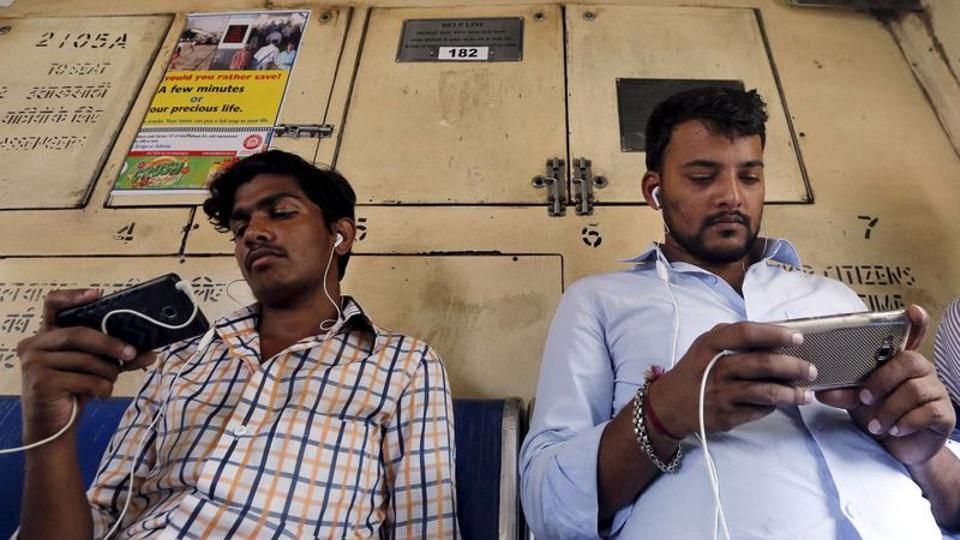
The project, among three major telecom-related initiatives approved by the Prime Minister-led Cabinet, will not entail a licence fee and is aimed at improving internet penetration that will ultimately help enhance the ease of doing business, employment opportunities and incomes, the government said in a press release. “It is a decision that will unleash a massive wave of WiFi connectivity in the country,” minister of communications Ravi Shankar Prasad said during the Cabinet briefing separately.
Public WiFi in India: Govt approves scheme, grocery shops can be WiFi points
The project -- Public Wi-Fi Access Network Interface or PM-WANI -- will have several components with public data offices (PDOs) being the point where wireless internet will be offered. Additionally, businesses can set up aggregators to create a network of such PDOs, and develop and operate applications that will allow people to find and use services at such PDOs. “A public data office can be a small shop; anyone can register as a PDO. They can get the internet bandwidth from a service provider. Aggregators will compile and keep information about the PDOs. Apps can be downloaded from the store or from the website. This way, you can directly get WiFi from any PDO,” Prasad said.
According to the government, no license fee will be charged, which until now was 8% of the adjusted gross revenue, and those applying to run services as a PDO will not require to register with the Department of Telecom – the other two, however, will need to register themselves with the government.
“There are about 5 lakhs public WiFis at present,” said an official of the department of telecom, asking not to be named. “The number will increase by 10 times over the next two years. It will help extend the services across the country. Bharatnet will also be used to provide public WiFi,” this person added.
The official added that the scheme will create employment, with kirana shops, paan shops, etc becoming public WiFi hotspots. “It will be additional service. People will be happy to use it if they provide good bandwidth.” It was not immediately clear what sort of tariffs or charges end users will need to pay.
Former telecom secretary Shyamal Ghosh told Hindustan Times that in principle, the move is a good step. “It will give access to more and more people through WiFi. It will help connectivity and make it easier to download data. The service provider that gives the access may charge for the data downloaded, but it depends on the modalities of the scheme.” The cabinet also approved the setting up of a submarine optical fibre cable between Kochi and Lakshadweep. The project is estimated to cost ₹1,072 crore and will be funded by the Universal Service Obligation Fund (USOF).
The government, in terms of policy decisions, spearheads the USOF, however, contributors to the fund include private players such as DoT licensees Airtel, Vodafone, Reliance and Tata Telecom. All of them contribute a mandatory 5% of their license fee AGR to the fund and will now be able to lease the fibre to provide connections in the islands. Earlier this year, the government had approved its first 2,300-km submarine fibre optic cable in Andaman and Nicobar Islands. The project had cost ₹1,224 crore.
By 2022, the government also aims to provide mobile coverage to 2,374 villages (1683 in Arunachal Pradesh and 691 in two districts of Assam) using the USOF scheme.


