
 E-Paper



President grants sanction for probe against Manish Sisodia, Satyendar Jain
President Droupadi Murmu granted sanction to Delhi's Anti-Corruption Bureau to initiate a formal probe against Manish Sisodia and Satyendar Jain

 Prefer HTon Google


President Droupadi Murmu on Thursday granted sanction to Delhi's Anti-Corruption Bureau (ACB) under Section 17A of Prevention of Corruption Act, to initiate a formal probe against Manish Sisodia and Satyendar Jain in connection with irregularities in the construction of school rooms/buildings by the Delhi government.
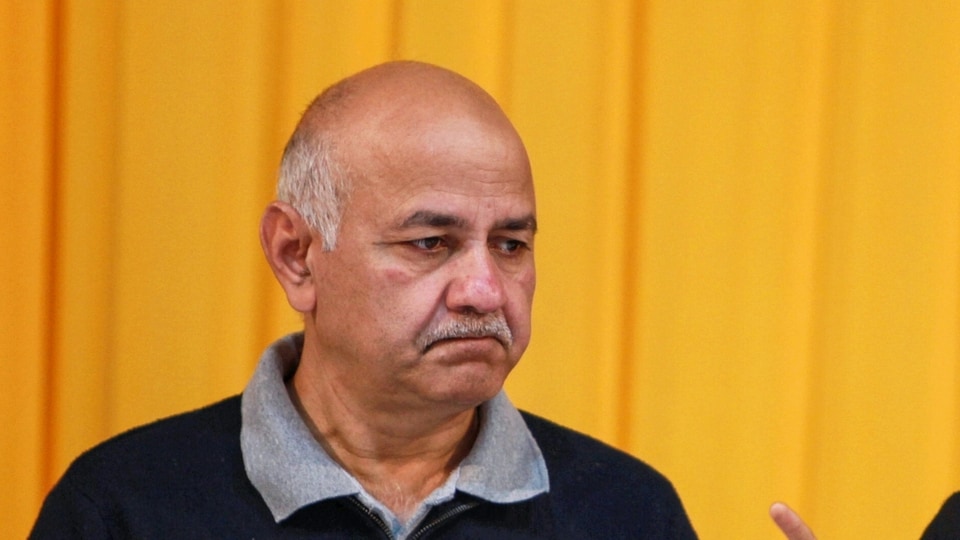
Sisodia was the education minister, while Jain was the PWD minister of Delhi.
Section 17A was inserted in the Prevention of Corruption Act by the Centre in July 2018 through an amendment, making it mandatory for police, CBI or any other agency dealing with corruption offences to seek prior approval for conducting any “enquiry” or “inquiry” or “investigation” into any corruption-related offences.
The Central Vigilance Commission (CVC), in a report dated February 17, 2020, highlighted "glaring irregularities" in the construction of over 2,400 classrooms in Delhi government schools by the Public Works Department (PWD).
According to a PTI report, the Delhi government's vigilance directorate in 2022 recommended a probe into the alleged scam and submitted a report to the chief secretary.
Feb 18: President granted sanction to prosecute Jain in money laundering case
On February 18, President Droupadi Murmu granted the sanction to prosecute Jain in a money-laundering case being investigated by the Enforcement Directorate, PTI reported.
The sanction against the 60-year-old former Delhi health minister was sought under section 218 of the Bharatiya Nagarik Suraksha Sanhita.
The Ministry of Home Affairs had requested the President for providing sanction to prosecute Jain based on an Enforcement Directorate (ED) investigation and the presence of “adequate proof”.
The CBI filed a chargesheet in December 2018, stating that the alleged disproportionate assets were to the tune of ₹1.47 crore, about 217 per cent more than Jain's known sources of income during 2015-17.
The ED had earlier said its probe found that "during 2015-16, Satyendar Jain was a public servant and four companies (beneficially owned and controlled by him) received accommodation entries (hawala) to the tune of ₹4.81 crore from shell (bogus) companies against cash transferred to Kolkata-based entry operators through the hawala route".
(With bureau inputs)


