
 E-Paper



Preying on poverty and male-child obsession, IVF donors turn to buying & selling babies: Racket busted in Delhi
Those who bought the babies already had daughters in some cases, but were desperate for a son; Delhi Police chargesheet carries shocking details

 Prefer HTon Google


Police in Delhi have shared shocking details of how a trafficking racket, with women as its core operators, bought and sold babies after figuring out details of rich families seeking to have a child by IVF in Delhi.
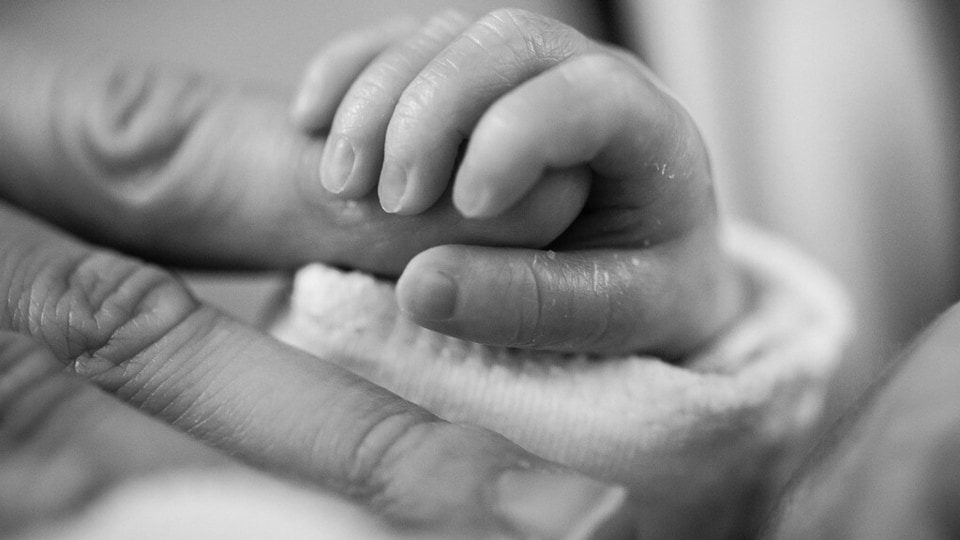
At least three babies, all male, have been recovered. His parents were among many such families whose poverty prompted them to give their newborns away for money, according to the chargesheet filed earlier this month. The babies were bought for up to ₹1.5 lakh each; and sold for up to ₹10 lakh, police said.
Those who bought the babies already had daughters in some cases, but were desperate for a son. “These babies didn’t even have names,” a police officer told the Hindustan Times.
How sellers and buyers were found
The chargesheet names 11 accused, including six women.
These women, who also come from financially distressed families, were once egg donors at centres where in-vitro fertilisation (IVF) was carried out.
Pooja Singh, 37, is the mastermind, as per the police. She allegedly got two women from her inner circle involved in procuring clients, and two men sourced the infants from tribal villages in Rajasthan and Gujarat, as per to the chargesheet.
“They specifically looked for heavily pregnant women in tribal areas, and struck deals just before or after delivery,” an officer told HT. The demand was high for male infants under 30 days old.
“The women already had connections at IVF centres, and they knew of families who wanted children — especially boys," the officer said.
After days of surveillance on a tip-off, police said they caught three of the accused when they were trying to sell a baby for a price between ₹5–10 lakh. This male infant had been smuggled from Rajasthan after a ₹1.5-lakh deal with his father, an unemployed man with four other children who was arrested near Udaipur.
After the Supreme Court took note, police moved quickly to arrest another man and three women, including Pooja Singh, the alleged mastermind.
Who bought the babies?
Call details from Pooja's phone led them to one of the buyers, a businessman in West Delhi. He had paid nearly ₹8 lakh for a boy two months earlier. “He already had three daughters. He wanted a son to inherit his footwear business,” said an officer. Another baby was rescued from the home of a transporter.
Each of the racket members made around ₹35,000 per baby.
As for the “buyers”, police say these families were falsely told that these were legal adoptions, complete with forged affidavits.
Search is on for a fourth baby believed to have been sold in Delhi.
Read detailed report | How a nexus bought babies from the poor in tribal areas, sold them to the rich in Delhi


