
 E-Paper



How a nexus bought babies from the poor in tribal areas, sold them to the rich in Delhi
2,000-page chargesheet carries chilling details of how gang bought male children for as little as ₹1.5 lakh, sold to families in Delhi for up to 10 times that

 Prefer HTon Google


The infant boy was barely four days old when he was taken from a tribal village in Rajasthan. His parents, struggling with poverty and already caring for multiple children, handed him over to a stranger who promised them quick money. Hours later, he was on a long journey to Delhi, cradled in the lap of a trafficker. By the time police found him — in a parked car in a bustling market — he had already been sold.
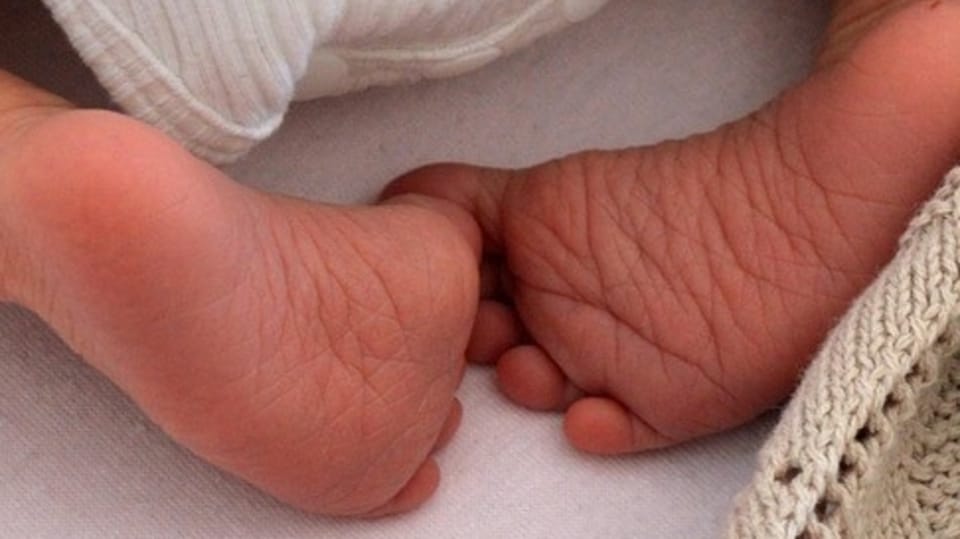
The baby is one of three rescued in a sprawling investigation by Delhi Police that has unearthed a cross-border baby trafficking network operated by a group of women — most of them once egg donors — who now face charges of conspiracy and corruption. All three babies are in the care of the child welfare committee, while police are still trying to locate a fourth baby.
Also Read | A day after son’s arrest, Vasai doctor, uncle held in stepmother’s murder cover-up
The 2,000-page chargesheet, filed earlier this month, names 11 accused, including six women, and paints a chilling picture of an organised ring that targeted vulnerable families in tribal belts of Rajasthan and Gujarat, bought male infants for as little as ₹1.5 lakh, and resold them to affluent families in Delhi for five to ten times the amount.
At the centre of the racket is Pooja Singh, 37, a former egg donor who was deemed ineligible to donate further and allegedly turned to baby trafficking with the help of other women in similar financial distress.
“Their husbands were either jobless or earned little,” a senior officer said. “They already had connections at IVF centres, and they knew of families who wanted children — especially boys.”
Pooja’s inner circle included Vimla (59), considered her second-in-command; Anjali (36), previously held in a CBI case for child trafficking; and middlemen Jitender and Ranjit, who sourced infants from rural India. All of them are in judicial custody.
Also Read | Nitish Katara murder: SC allows release of one convict, extends interim bail to another
The Delhi Police’s investigation began in March when a tip-off led a team led by Inspector Vishwender Choudhary to Uttam Nagar. After 20 days of surveillance and analysis of phone records, they caught their first break. On April 8, Yasmin (30), Anjali, and Jitender were caught trying to sell a baby out of a car.
“They were negotiating a price between ₹5 to ₹10 lakh,” said deputy commissioner of police (Dwarka) Ankit Singh.
The infant had been born that very day in Rajasthan and smuggled across state lines. According to police, Yasmin acted as the “carrier,” having paid ₹1.5 lakh for the baby, while Anjali and Jitender were in charge of brokering the deal with the Delhi family.
The infant was admitted to the ICU with jaundice and other complications linked to the ordeal of being trafficked across states within a day of his birth. “A woman constable stayed with the child through his hospital stay,” an officer said. The infant later made a full recovery.
Police later located the baby’s biological father, an unemployed man with four other children. Arrested near Udaipur, he admitted to selling the child out of desperation.
Investigators soon learned the gang had trafficked at least four babies over the past year—all boys. “They specifically looked for heavily pregnant women in tribal areas, and struck deals just before or after delivery,” said another officer. “There was high demand for male infants under 30 days old.”
The arrests triggered a suo motu response from the Supreme Court on April 21. Calling it a “huge operation,” the court directed Delhi Police to intensify the search for the missing infants and arrest the remaining culprits.
In the weeks that followed, police teams led by sub-inspector Rakesh and assistant sub-inspector Kartar Singh used digital forensics, phone triangulation, and old-fashioned field work to round up more accused. Jyoti and Saroj—both previously held in baby trafficking cases in Delhi and Uttar Pradesh—were picked up from Vikaspuri. Ranjit, who allegedly scouted rural families for newborns, was arrested in Rajasthan.
On April 30, Pooja Singh was tracked down to a rented apartment in Karkardooma and arrested. She had destroyed her mobile phone, making it difficult for police to trace her digital trail. However, call detail records revealed enough to piece together her operation.
One such call led them to a businessman in Madipur, West Delhi. Police say he had paid nearly ₹8 lakh for a baby boy earlier this year. “He already had three daughters,” said a third officer. “He wanted a son to inherit his footwear business.”
The baby, around two months old at the time, recovered, and the businessman was arrested. Another baby was rescued from a home in Gulabi Bagh, where he had been sold to a 40-year-old transporter.
Also Read | Who is Manjot Singh? ICE claims Indian arrested 6 different times for robbery, criminal impersonation
Each of the accused allegedly earned around ₹35,000 per baby sold. Police say families were falsely told that these were legal adoptions, complete with forged affidavits provided by Vimla. The buyers were reportedly unaware—or chose not to question—the legitimacy of the process.
Anjali, arrested during the initial bust in April, had only recently been released from jail in a CBI child trafficking case. She allegedly rejoined Pooja’s network immediately. Saroj and Jyoti, long known to police, had similar prior histories.
Police are still searching for “baby no. 4,” whom they believe was sold earlier this year in Delhi. But unlike the other cases, the suspects allegedly used encrypted internet calls to communicate with the buyers. “These calls cannot be traced, which has made locating the child very difficult,” said an officer.
They are also hunting for a second unidentified middleman who worked primarily in Gujarat and is suspected to have sourced babies from there, raising concerns that more infants may have been trafficked beyond the four identified so far.
Even with the arrests and rescue of three infants, investigators know that justice may come slowly. The accused operated under a veneer of legitimacy, targeting the poor with promises of financial aid, and luring the desperate rich with the ultimate offer—an infant son.
“These babies didn’t even have names,” said one officer. “They were bought like property.”

Stay updated with all top Cities including, Bengaluru, Delhi, Mumbai and more across India. Stay informed on the latest happenings in World News along with Delhi Election 2025 and Delhi Election Result 2025 Live, New Delhi Election Result Live, Kalkaji Election Result Live at Hindustan Times.


