
Sign in

Priyanka Gandhi discharged from Ganga Ram Hospital

Vadra was admitted to the hospital on August 23 with dengue fever.

Updated on: Aug 30, 2017, 18:45:42 IST
Hindustan Times, New Delhi | By
Share
Share via
  • facebook
  • twitter
  • linkedin
  • whatsapp
Copy link
  • copy link

A week after she was admitted to a city hospital with dengue fever, Congress President Sonia Gandhi’s daughter, Priyanka Gandhi Vadra, was discharged on Wednesday.
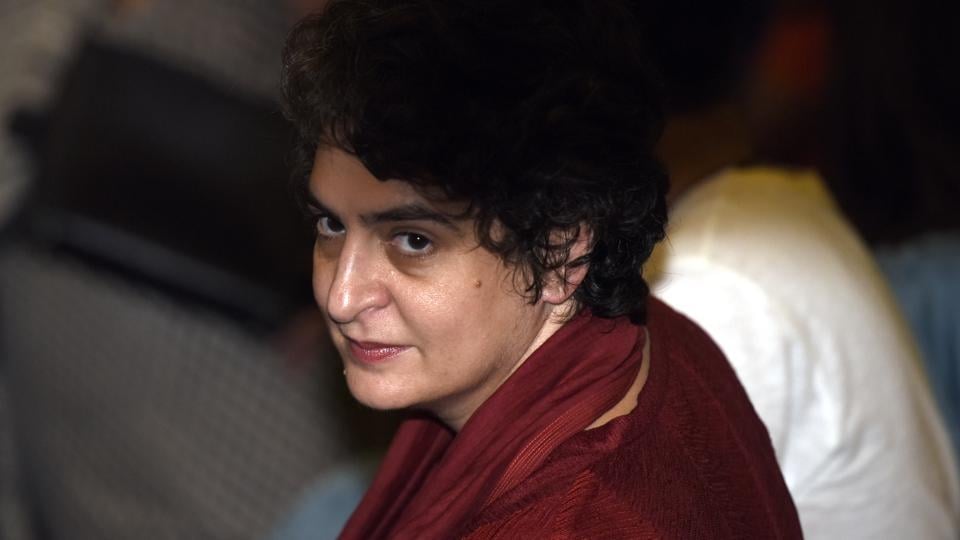
Priyanka Gandhi Vadra at Jawahar Bhawan, in New Delhi, on July 1, 2017. (HT File Photo)

Vadra was diagnosed with dengue — a mosquito-borne viral infection — and was being treated at Sir Ganga Ram Hospital in New Delhi.

“Mrs Priyanka Vadra was discharged from SGRH on August 30 at 4pm, after recovery from dengue,” confirmed Dr DS Rana, chairman, board of management at the hospital. “She has been advised rest at home and to avoid physical exertion.”

Vadra was admitted to the hospital on August 23 and her treatment was being monitored by chest medicine consultant Dr Arup Basu, who is the Congress president’s family physician, and also by specialists from the hospital’s medicine department.

“Priyanka Vadra developed fever and then tested positive for dengue. She was brought to the hospital on the evening of August 23,” said Dr Rana.

Dengue is a viral infection spread by the bite of the Aedes Aegypti mosquito. The symptoms appear in five to six days after being bitten by the mosquito and include high fever (less than 103 degrees Fahrenheit), severe headache, pain behind the eyes, joint and muscle pain, nausea and vomiting, rashes, abdominal cramps and in some cases, bleeding from the gums, nose or ears.

Patients are prescribed paracetamol for fever and pain and are asked to drink lots of fluids to prevent dehydration. Most recover in a week to 10 days.

Authorities have confirmed 945 cases of dengue, of which 435 patients are from Delhi and 510 are from the neighbouring states who are being treated in the national capital.
  • Rhythma Kaul
    ABOUT THE AUTHOR
    Rhythma Kaul

    Rhythma Kaul is the national health editor of the Hindustan Times. She has been reporting on public health, medicine, and medical research, with a particular focus on how government decisions and health system reforms shape people’s lives. Rhythma has over 25 years of journalistic experience. She joined Hindustan Times in 2008, and has since covered everything from pandemics and infectious diseases to cutting‑edge medical research and climate‑related health challenges. Her stories routinely track the work of the Ministry of Health and Family Welfare, department of pharmaceuticals, and key national health programmes, making complex medical science and policy accessible to a wide audience. One of her prominent news breaks has been the 2012 Baby Falak case: A two-year-old brutally battered baby girl was admitted to AIIMS-Delhi with severe head injuries, multiple fractures, human bite marks, and burns. The police investigation revealed this to be a case of multi-state human-trafficking racket. She was profiled by The Wall Street Journal for breaking this story. Rhythma holds a Master’s degree from Jawaharlal Nehru University, Delhi. Prior to Hindustan Times, she worked with the India Today Group. Rhythma can be contacted at rhythma.kaul@hindustantimes.com. Her X handle is @RamblingBrook.Read More

Get the latest India News, breaking headlines and real-time updates from across the country. Stay informed about politics, government policies, crime, weather and major national developments.