E-Paper



Quality and accountability twin problems in India’s legal aid scheme: Report
The study found that there are 70,000 legal aid lawyers in India but the per capita spending on legal aid was just Rs 0.75, one of the lowest in the world. In contrast, the per capita spending in Australia is $23 and in Argentina $17.

 Prefer HTon Google


India has the world’s largest cover for legal aid, with more than 80% of the population eligible to receive subsidised government legal help, but the programme is hobbled by lack of quality and lack of accountability, a new national study has found.
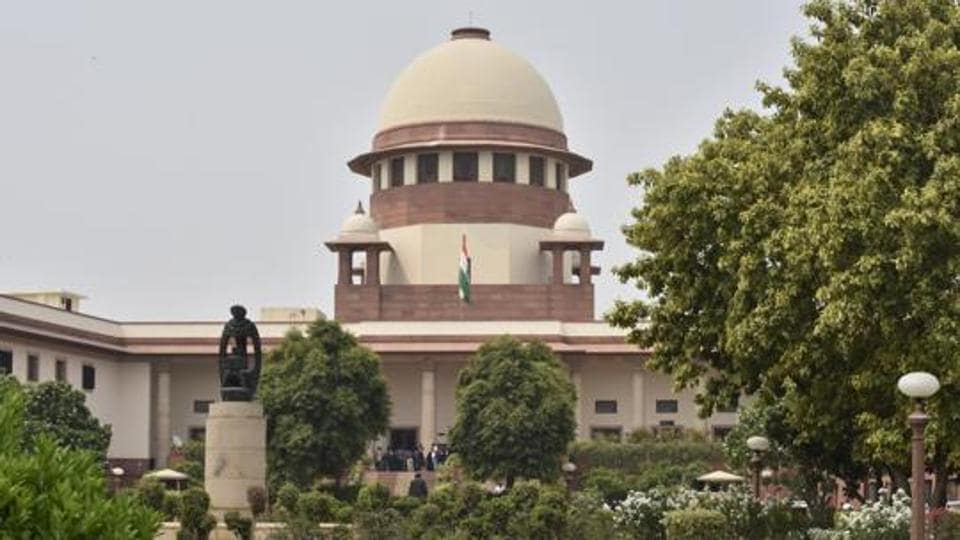
The study, ‘Hope Behind Bars’ by the Commonwealth Human Rights Initiative based on data received from 29 states and Union territories, found the national legal services authority as having made rapid strides in the past decade but large discrepancies across states in legal aid to people in custody.
Under the legal aid scheme, the government provides a lawyer free of cost to people who cannot afford to hire outside lawyers, and therefore is crucial to marginalised and backward communities, who make up more than half of India’s prisoners, according to the 2016 report of the National Crime Records Bureau. The lawyers are compensated by the government at rates that are below the market average.
“Despite evolving a formidable structure, there are shortcomings in providing legal aid…the scheme has failed to attract competent lawyers and there is no mechanism for the clients to question,” said justice AP Shah, former chief justice of the Delhi high court, on Sunday.
The study found that there are 70,000 legal aid lawyers in India but the per capita spending on legal aid was just Rs 0.75, one of the lowest in the world. In contrast, the per capita spending in Australia is $23 and in Argentina $17, the study said. The average time between application for legal aid and lawyer assigned was 11 days nationally, which stretched to 48 for Rajasthan. The best performers were states such as Andhra Pradesh (which took less than a day to allocate a lawyer) and Kerala (which had the highest number of legal aid lawyers per district at 234)
“Legal aid lawyers are human rights defenders. But one major concern is the quality of legal aid. We have to pay lawyers better, if not the market rate. Otherwise legal aid for the poor, as it is said, will continue to be poor legal aid,” said justice S Muralidhar of the Delhi high court.
To resolve the situation, the study called for greater consultation between the civil society, law schools, lawyers and the government legal services authorities.
“Article 22 of the Constitution guarantees the right to a lawyer for an arrestee, but there is no national scheme for legal aid at the police station, neither do any state have such a scheme. For a majority of people brought before the police station, having a lawyer by your side is the only hope behind bars,” said Raja Bagga, the author of the report.