
 E-Paper



Quit India Movement: Here’s what you should know
Every social group, from peasants to students and workers disrupted day-to-day lives and went on strikes to express their resentment against the colonial rule. Peasants in Bengal fought against increase in taxes. Government officials also broke laws to contribute towards the movement.


India is celebrating Azadi ka Amrit Mahotsav to mark the 75th year of Independence. While several events are being planned the central and state governments across the country, one needs to look back at the undying nationalism of thousands that led the country to its Independence.
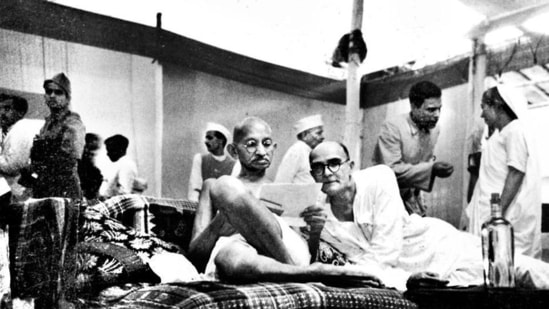
The Quit India movement was one such episode towards the country's freedom struggle that was launched at the Bombay session of the All India Congress Committee by Mahatma Gandhi on August 8, 1942, demanding the British to end its rule in India.
Also Read | Amrit Mahotsav inspires us to face new challenges
Several major leaders were arrested as part of the movements that were launched at the time against the British rule.
Every social group, from peasants to students and workers disrupted day to day lives, went on strikes to express their resentment against colonial rule. Peasants in Bengal fought against increase in taxes. Government officials also broke laws to contribute to the independence movement.
Women too participated in large numbers. One such revolutionary was Matangini Hazra, who led a huge number of villagers to destroy a police station in Bengal, following which she was shot dead. Several other prominent women freedom fighters like Pritilata Wadedar and Kanaklata Baruah laid down their lives for the country.
Adoption of Indian attire like the ‘dhoti kurta’ and ‘Gandhi cap’ was also a widely celebrated feature of this movement.
At the Gowalia Tank Maidan, Mahatma Gandhi in a historic speech had said, "The power, when it comes, will belong to the people of India, and it will be for them to decide to whom it is placed....". The movement paved the way for the future of the Indian political landscape and will forever remain a golden chapter of the freedom struggle of India.


