E-Paper



Half of founder population of cheetahs typically lost in first year: Expert
South African experts involved with the Cheetah reintroduction project in India have recommended preparing alternative homes for Cheetahs at the earliest

 Prefer HTon Google


New Delhi Three of the 20 Cheetahs reintroduced from Namibia and South Africa to Kuno National Park have died but that’s well within the expected mortality range following a challenging intercontinental reintroduction, Vincent van der Merwe, manager of the Cheetah Metapopulation Project in South Africa said, with the number being almost half the founder population in the first year after reintroduction. What is soon going to become a challenge though is Cheetahs escaping the Kuno National Park’s boundary, Merwe observed. South African experts who are involved with the Cheetah reintroduction project in India have recommended preparing alternative homes for Cheetahs at the earliest. Edited excerpts from an interview:
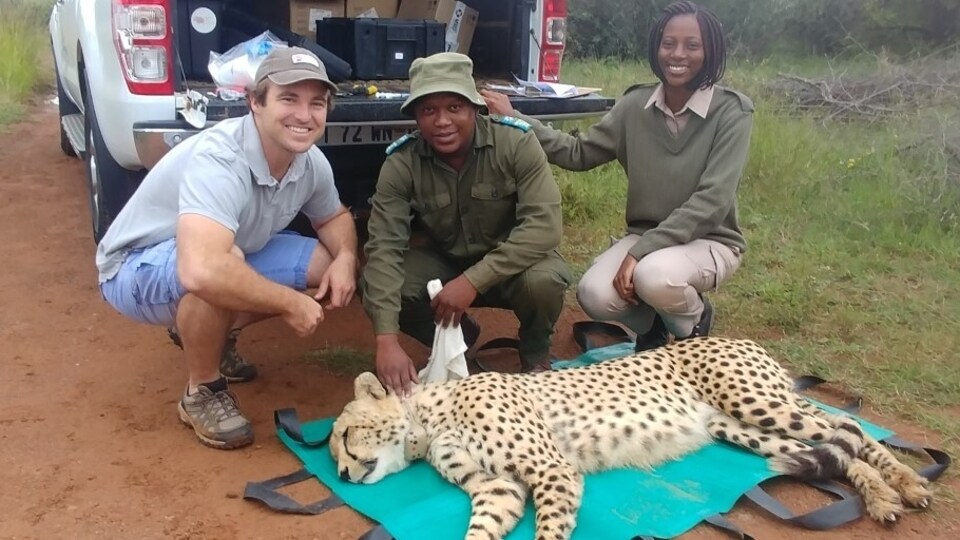
There have been three Cheetah deaths since the reintroduction project started last year. Is this within the expected range of mortality after a reintroduction?This is well within the expected mortality range. We typically lose half of the founder population in the first year post release, so yes it’s an extremely complex process to reintroduce Cheetahs in an unfamiliar system. What we are observing is nothing out of the ordinary. We have coordinated 33 cheetah reintroductions in the past, (including) 32 in Africa and this is what we would typically observe.
What do you think of the Kuno National Park habitat for the Cheetah? You have asked for alternate sites also.The Kuno habitat is perfectly suitable for the Cheetah. But we’re a little worried about the prey numbers. When you drive into Kuno, you do not see a massive amount of game. They are slightly below what we typically see in Africa and the leopard density is exceptionally high. But fortunately, we haven’t lost any Cheetah to leopards or to snaring. So those, the two of our biggest concerns, have pretty much been alleviated. The problem with Kuno is that it’s not fenced and we know that most of the animals will escape the boundaries of the restricted area.
We know that two Cheetahs had strayed out recently.The best way is to adopt an adaptive management approach. We will observe what they do. If they move to a zone with a high potential for conflict, we have to intervene. That implies darting and bringing the Cheetah back. If they move into a corridor, into a neighbouring protected area, then that shouldn’t be a problem but if they stay there indefinitely and there are no breeding options for them then they have no conservation value. So, then the recommended action will be to bring in a male or a female for breeding potential or capture that animal and bring it back. We know from the previous reintroductions that Cheetahs roam for around six months post release and then they settle into a fixed home range.
What is your recommendation on dealing with Cheetahs that escape the Kuno boundary?I think we will learn from hard lessons at Kuno. There are going to be a lot of hard challenges. Most of the animals released will escape the boundaries of Kuno, and I think we will have to make a very quick plan for repeat escapers that simply refuse to stay within the confines of Kuno. We will have to find fenced protected areas for them. Mukundara Hills for example is fenced and ready and stocked with game but Nauradehi and Gandhisagar are yet to be fenced and stocked with game. It will be interesting to see how Indian authorities will handle the situation. Important thing is we shouldn’t have all our eggs in one basket. It’s good to have many different sites so you spread the risk.
Are you recommending fenced reserves for Cheetahs? In India the policy is to have open, non-fenced protected areas.We just know from our experience in Africa that fencing prevents escapes and human-wildlife conflict. In the long term, we would love to see Cheetahs in unfenced systems in India one day. We fully understand the approach the Indian government has adopted and it works very well for them. They managed to double their tiger numbers without fences. It is possible to do the coexistence approach without fences but during the initial phase of the project the Cheetahs are being released into a totally unfamiliar environment. The communication networks that used to be there that the Cheetah used to use to communicate with each other 70 years ago are gone. Basically, these Cheetahs that are straying are not finding any evidence of other Cheetahs, they are simply walking looking for evidence. What we would advocate is to put a small population inside fenced reserves, increase the numbers and then take the bigger risks in unfenced systems.
How do you think the prey base can also be improved in new, alternative sites for big cats?In the long term, we view India as a country of great potential for Cheetah conservation. The human population is increasing but is also expected to taper off. This is exciting for us. What needs to be developed is the potential for mass capture particularly Nigai, chinkara etc. which are coexisting with farmers and which are problematic for farmers. If they can be relocated to protected areas, it will be helpful.