E-Paper



₹7,000 per drop: School dropout held for scamming elderly in ‘toxic blood’ fraud
The fraud came to light after a bank manager alerted the Cyber Crime Branch about a senior citizen withdrawing large sums of money

 Prefer HTon Google


A 35-year-old man, a school dropout, has been arrested in Ahmedabad on charges that he is part of a gang that conned senior citizens into paying lakhs of rupees for a fake treatment to improve their mobility, police said on Monday
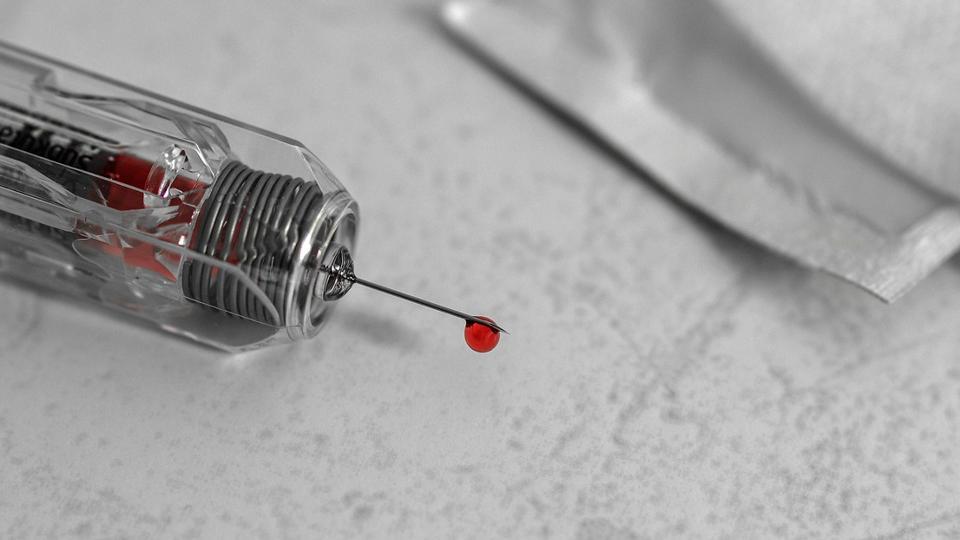
The gang members, who posed as doctors and physiotherapists, convinced senior citizens with mobility problems that they were suffering due to the presence of “black blood” in their bodies. They convinced them that it was possible to separate and extract the toxic blood cells under a special treatment that they could provide. Their charges were ₹7,000 for each drop of the so-called “black blood” removed from their body.
Some people fell for the con.
The fraud came to light after the bank manager at the Drive-in Road branch of a public sector bank alerted the Cyber Crime Branch about a senior citizen withdrawing large sums of money from a fixed deposit over two consecutive days.
Bank staffers suspected something was wrong and alerted the manager, who tipped the police.
“A police team reached the bank, checked CCTV footage and noticed a man surveilling the elderly customer. The suspect was detained and questioned, leading to the detection of the fraud. The total amount of about ₹6.7 lakh has been recovered,” an official of the Ahmedabad cyber crime branch said.
The suspect was identified by the police as Mohammad Amjad, 35, a resident of Anta in Rajasthan’s Baran district. Police said he has studied up to Class 6.
He allegedly told the police that they targeted elderly persons who lived alone and had difficulty walking. The accused would approach their potential victims at markets, hospitals, religious places and other public locations, and make claims about the treatment.
Police said victims were convinced by the gang that their pain, paralysis or difficulty in walking was caused by the presence of “black blood” in the body.
Once convinced, the ‘doctors’ visited their victim at home, drew out blood which they claimed was toxic.
A statement issued by the city police said the victims were told that removing each drop would cure their condition, and charged them ₹7,000 per drop.
While the person was under treatment, the gang closely monitored the victim’s movements and bank transactions. In this case, the accused first got the victim to withdraw ₹4 lakh and later another ₹2.7 lakh.
Police said they were looking for the other gang members, who posed as an engineer, a doctor and a medical assistant.