
 E-Paper



SC junks NCPCR plea against HC rulings on Muslim girls’ marriage at puberty
With the dismissal, a January 2023 order of the top court that the high court ruling should not be treated as precedent also came to an end

 Prefer HTon Google


The Supreme Court on Tuesday dismissed petitions by the National Commission for Protection of Child Rights (NCPCR) and the National Commission for Women (NCW) challenging Punjab and Haryana high court orders that recognised the validity of marriages of Muslim girls after attaining puberty.
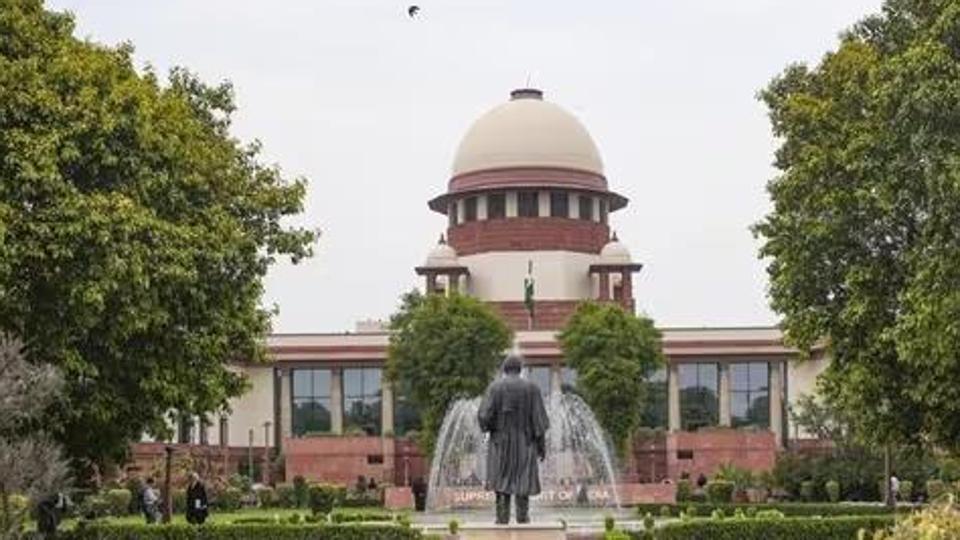
A bench of justices BV Nagarathna and R Mahadevan said the commissions had “no locus standi” in such personal matters, remarking: “It is strange that NCPCR, which is for protecting children, has challenged an order protecting two children… Leave these couples alone.”
With the dismissal, a January 2023 order of the top court that the high court ruling should not be treated as precedent also came to an end. The high court had earlier held that Muslim girls can marry on their own volition once they reach puberty, usually at 15.
During the hearing of connected petitions seeking safeguards against misuse of the Protection of Children from Sexual Offences (POCSO) Act in cases of consensual adolescent relationships, the bench underlined that criminal law cannot intrude upon genuine teenage bonds. “Love is not penal, and it cannot become one,” said the bench, adding that prosecuting adolescents in such cases inflicted lasting trauma.
Also Read: Delhi gets ‘paralysed’ after 2 hours of rain: SC draws parallel in Kerala highway case
The bench stressed that misuse of POCSO often arises when parents invoke the law to punish eloping couples in the name of “honour.” “Many such cases are filed by parents. If we start treating all such cases as crimes, there will be honour killings,” the bench cautioned.
At the same time, the court clarified that each case must be assessed on its own facts: “Why do you want to prosecute everyone? Police must investigate, apply their mind, and segregate genuine cases from those that should be prosecuted.”
The proceedings form part of a wider debate over whether the statutory age of consent under POCSO, currently fixed at 18, needs reconsideration. The Union government, in separate proceedings before the top court, has opposed any dilution, arguing that exceptions for adolescent relationships could weaken child protection laws and embolden abusers.



