
 E-Paper



SC orders the release of activist held under NSA
The bench turned down a request by solicitor general Tushar Mehta, who appeared for the Manipur government and asked for a day or two to examine the matter.

 Prefer HTon Google


The Supreme Court on Monday ordered for the immediate release of activist Erendro Leichombam, jailed by the Manipur government under the National Security Act (NSA) since May 13 for a Facebook post on the death of the state Bharatiya Janata Party chief due to Covid-19. In that, the activist had remarked that cow dung and cow urine can’t cure the infection.
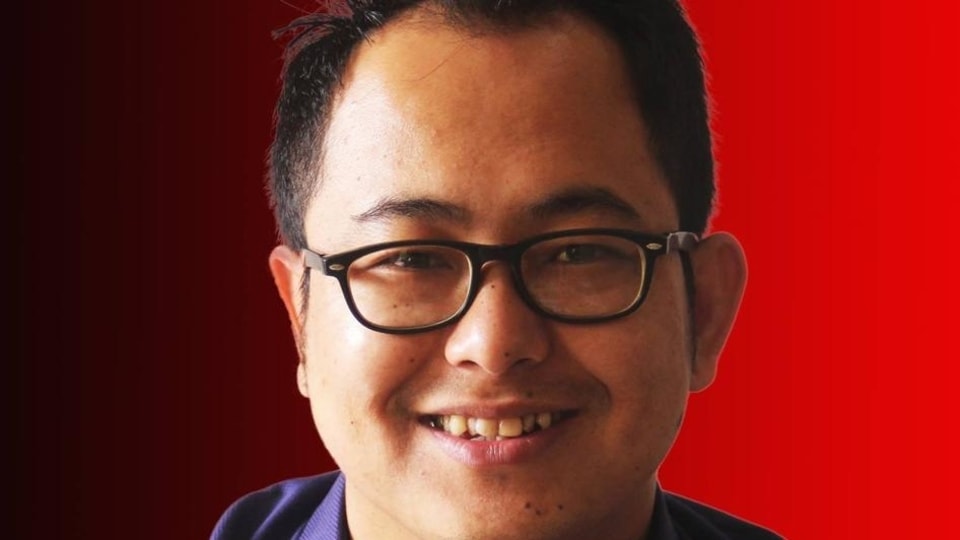
“We can’t keep this person in custody even for a day. He cannot be made to stay in jail even for one night,” remarked the bench of justices Dhananjaya Y Chandrachud and M R Shah while directing the state government to make sure Leichombam, 40, is released by 5pm on Monday.
The bench turned down a request by solicitor general Tushar Mehta, who appeared for the Manipur government and asked for a day or two to examine the matter.
The court sternly refused. “No, no. We will order for his release immediately. These are all innocent statements. Mr Mehta, please ignore these statements. Let him be released today and we will hear you later,” the bench told the SG.
The court recorded that any further incarceration of Leichombam will be in violation of Article 21 (right to life and liberty) of the Constitution. It directed that the activist be released on furnishing a personal release bond of ₹1,000 and asked the registry officials in the Supreme Court to communicate the order to the prison authorities in Manipur without any delay.
“The authorities will comply with the order by 5pm today,” the bench said in its order, asking state government’s standing counsel Pukhrambam Ramesh Kumar to ensure Leichombam, a 2012 graduate of the Harvard Kennedy School, walks out of jail by the evening.
Earlier, representing Leichombam, advocate Shadan Farasat told the bench that this was an instance of the law of preventive detention being abused to stifle a completely innocuous statement which was not only protected by the Constitution but was also in public interest. “All I said that cow dung and cow urine aren’t cures for corona (virus),” Farasat added.
The SG said in response that the case should be listed after two days so that he could look into the matter. At this, the bench said that it was not averse to listing the matter on some other day but Leichombam couldn’t be in jail for another day.
Following the SC order, the Manipur activist said, “I have been targeted by the state government in the past and am sure it will happen again. But I am not afraid and will express what I think is right. I will continue to raise my voice and speak my mind.”
After the court ordered for Leichombam’s release, Farasat emphasised that he would be arguing for compensation to his client for the “unlawful deprivation of his liberty”.
Leichombam was booked under the NSA over his Facebook post on the death of S Tikendra Singh, a retired professor and Manipur BJP chief. “The cure for Corona is not cow dung & cow urine. The cure is science & common sense. Professor ji RIP,” Leichombam wrote.
On May 13, Leichombam was arrested from his house on a complaint by Usham Deben Singh, vice-president of Manipur BJP. The complainant alleged that the post had “deliberately and wilfully insulted and outraged religious fillings and sentiments” of BJP workers and family members of the deceased.
The order, dated May 17, to book Leichombam under NSA by Th Kirankumar, district magistrate, Imphal West, stated, “…I am satisfied that his activities are prejudicial to the security of the State and to the maintenance of public order.”
The petition filed in court through Leichombam’s father cited the Supreme Court’s order on April 30, warning the states against any clampdown on information, saying any coercive measures for using online platforms is the “worst way” to deal with the Covid-19 crisis. It added that his detention is a reprisal for Leichombam’s criticism of the BJP leaders for advocating cow dung and cow urine as cure for Covid-19.
(With inputs from Utpal Parashar from Guwahati)



