
 E-Paper



Scientists across world race to create coronavirus vaccine
China shared the genetic code of 2019-nCoV on January 10 and since then scientists worldwide have mapped dozens of genetic sequences from the virus’ strains to study how it’s changing genetically as the outbreak progresses.


With the a goal of starting clinical trials in 16 weeks, scientists around the world are racing to develop a vaccine against the new coronavirus (2019-nCoV) which has spread from Wuhan City in China to at least 24 countries within a month of first being reported on December 31.
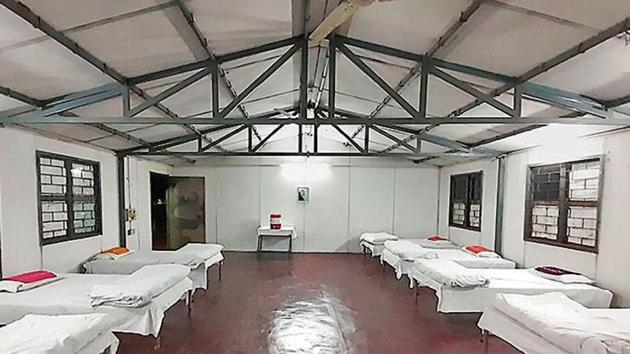
China shared the genetic code of 2019-nCoV on January 10 and since then scientists worldwide have mapped dozens of genetic sequences from the virus’ strains to study how it’s changing genetically as the outbreak progresses.
Scientists are leveraging existing work on vaccines against the Middle East Respiratory Syndrome (Mers) coronavirus and rapid response platforms with 2019-nCoV genetic sequences inserted to speed up vaccine development.
“The earliest a fast-tracked vaccine can be developed is six months, which means (it will be) ready to market by next year. The changes in a virus’ genetic sequence help establish patterns, which are used to predict its behaviour, how it will spread and whether it is likely become more virulent or mild. To develop a vaccine to protect people from it, we need study consistent virus change,” said Dr Nirmal K Ganguly, former director general, Indian Council of Medical Research (ICMR).
The virus sample from India’s only 2019-nCoV case in Kerala has also been sequenced by the ICMR-National Institute of Virology Pune, which will share it with the World Health Organisation (WHO) to be included in the global database.
Mutations are mostly detrimental to the virus or have no effect at all. For example, a mutation of the Severe Acute Respiratory Syndrome (Sars) virus sustained during the 2003 outbreak reduced its virulence, according to a study published in the journal, Scientific Reports in 2018.
The Coalition for Endemic Preparedness Innovations (CEPI), which was created after the Ebola outbreak in West Africa to fund vaccine development for emerging diseases, is funding three 2019-nCoV vaccine-development projects. “Our aspiration with these technologies is to bring a new pathogen from gene sequence to clinical testing in 16 weeks – which is significantly shorter than where we are now,” said Richard Hatchett, CEO of Cepi, which is funded by governments and philanthropic organisations, in a statement.
Alibaba founder Jack Ma has donated US$14.4 million for vaccine development, while the Bill and Melinda Gates Foundation has committed $10 million aid.
Cepi-backed Inovio Pharmaceuticals has begun preclinical testing and preparations for clinical product manufacturing of its vaccine candidate INO-4800 against 2019-nCoV in the US and on Thursday, it announced a collaboration with Beijing Advaccine Biotechnology to run simultaneous Phase 1 trials in China and the US.
While Inovio is using a DNA medicine platform, the University of Queensland in Australia is working on a “molecular clamp” vaccine, which allows targeted and rapid vaccine production against multiple viruses.
Moderna is working on an mRNA vaccine which will be designed in collaboration with US National Institute of Allergy and Infectious Diseases. RNA vaccines work by introducing an mRNA sequence (molecule that tells cells what to build) coded for a disease-specific antigen. Once it’s ready for human testing, NIAID will run clinical trials.
“The 2019-nCoV death rate of a little over 2% is not as high as Sars (9.6%, according to WHO). An emergency vaccine to control outbreaks is essential, but as of now, it (2019-nCoV) is causing serious illness in 20% people and not causing disease and death in young, healthy people,” said a scientist with the department of science and technology, who did not want to be named.
“What is worrying is asymptomatic people transmitting disease, but till gaps remain about how the virus behaves, we have to follow international testing and quarantine protocols to stop it,” said Dr Ganguly.


