
 E-Paper



‘Screening, testing…’: Centre's fresh advisory to states, UTs over Monkeypox
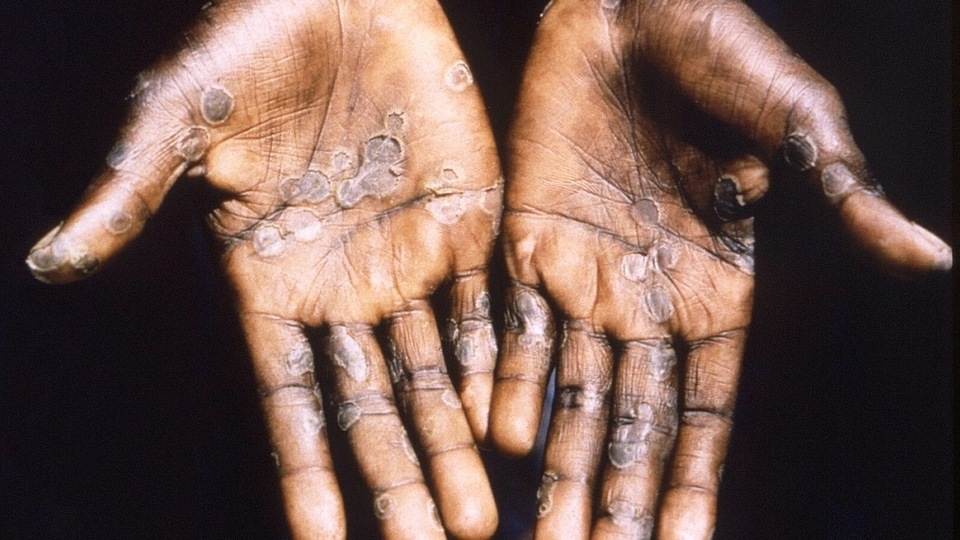
Monkeypox spreads through close contact and was first found in monkeys, as the name suggests. Around 60 countries in which monkeypox is not endemic have reported outbreaks of the viral disease as confirmed cases cross 10,400 as per July 13 data, Reuters reported.

 Prefer HTon Google


The Centre on Thursday wrote a letter to all the states and union territories, reiterating key actions that should be taken in view of the Monkeypox threat.
Health secretary Rajesh Bhushan cited the letter sent by the ministry on May 31 in which it had issued a set of guidelines on the management of the contagious disease. As of now, there is no reported case of Monkeypox in India.
The health secretary asked all the states and union territories to take key actions including orientation and re-orientation of all key stakeholders including health screening teams at points of entries, disease surveillance teams, doctors working in hospitals about common signs and symptoms.
The Centre asked the states/UTs to screen and test suspect cases at points of entries and in community. Patient isolation, intensive risk communication directed at health workers, adequate human resource and logistical support are the instructions issued by the health ministry.
The Centre's directive comes on a day when a Kerala resident who returned from UAE showed suspected symptoms of the Monkeypox virus. Kerala health minister Veena George said the samples of the patient have been sent to a virology lab in Pune.
Monkeypox spreads through close contact and was first found in monkeys, as the name suggests. It mostly occurs in west and Central Africa but now has spread to Europe, Americas and Middle East.
Around 60 countries in which monkeypox is not endemic have reported outbreaks of the viral disease as confirmed cases cross 10,400 as per July 13 data, Reuters reported.
On June 26, the World Health Organization's chief said that the monkeypox outbreak was a deeply concerning evolving threat but did not currently constitute a global health emergency, AFP had reported. WHO director-general Tedros Adhanom Ghebreyesus convened a committee of experts on Thursday to advise him whether to sound the UN health agency's strongest alarm over the outbreak.


