E-Paper



SEBI seeks six more months to complete Adani probe
The Supreme Court is expected to hear the matter next on May 8

 Prefer HTon Google


The Securities and Exchange Board of India (SEBI) on Saturday sought another six months from the Supreme Court to complete its probe on alleged breach of laws against the Adani Group following a damaging report by US short-seller Hindenburg Research in January that wiped out more than $140 billion in market capitalisation of the conglomerate.
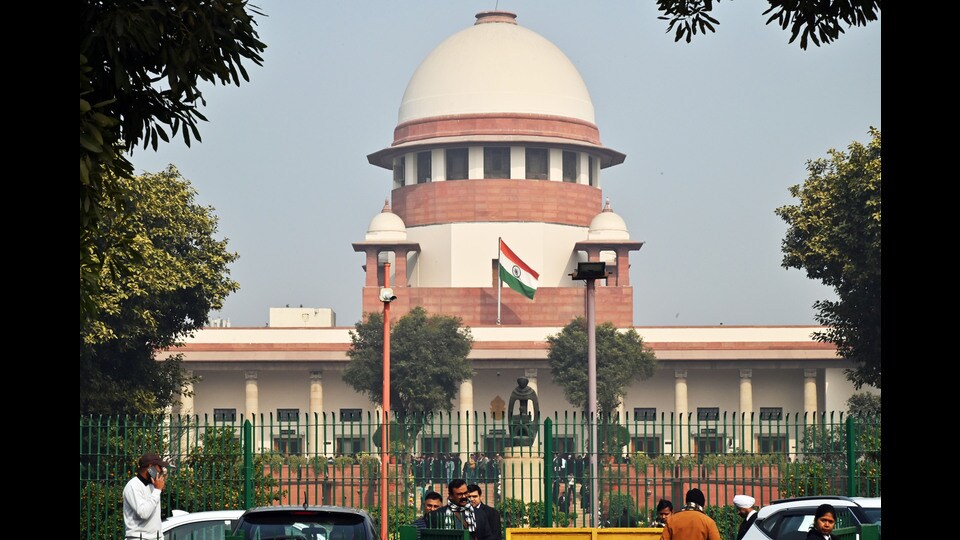
A Supreme Court bench headed by Chief Justice of India Dhananjaya Y Chandrachud on March 2 ordered the market regulator to conclude its probe within two months and submit a report.
Moving an application on Saturday, SEBI said it has zeroed in on 12 “suspicious transactions” for possible violations related to misrepresentation of financials, circumvention of regulations or fraudulent nature of transactions that require extensive probe before any conclusion can be drawn.
“In respect of the investigation/examination relating to 12 suspicious transactions, prima facie it is noted that these transactions are complex and have many sub -transactions and a rigorous investigation of these transactions would require collation of data/information from various sources along with detailed analysis including verification of submissions made by the companies,” the regulator said in its plea reviewed by HT.
SEBI said that in the normal course, it would take at least 15 months for investigation of such transactions, but it is making all reasonable endeavours to conclude it within six months.
The regulator also harped upon the annual report of the Enforcement Division of Securities Exchange Commission, USA (SEC, USA) for 2020, pointing out that generally the SEC, USA, takes about 34 months to complete similar investigations.
“In the forgoing circumstances, the applicant most respectfully submits that in order to enable SEBI to conduct a proper investigation and arrive at verified findings, it would be just, expedient and in the interest of justice that this Hon’ble Court may be pleased to extend the time to conclude the investigations as directed in the common order dated February 2, 2023, by at least 6 months,” read the plea.
Apart from looking into 12 “suspicious transactions”, SEBI said it has crystallised a prima facie view relating to possible violations related to Related Party Transactions (RPT) disclosures, corporate governance related matters, Minimum Public Shareholding (MPS) norms in the context of Foreign Portfolio Investment (FPI) shareholding and possible stock price manipulation in various stocks of Adani Group.
SEBI said it has already submitted a detailed status report and the prima facie findings to a six-member panel, led by former Supreme Court judge AM Sapre, which was set up by the court’s February 2 order to investigate allegations of regulatory failure and breach of laws against the Adani group and to suggest steps to bolster the statutory and supervisory regime.
However, the regulator added, it would require at least six months to arrive at conclusive findings and revalidate some of the analysis.
The Supreme Court is expected to hear the matter next on May 8.
The Adani group, in a statement, said it welcomes the investigation, “which represents a fair opportunity for everyone to be heard and for all issues to be addressed”.
“We are fully compliant with all laws, rules and regulations and are confident that truth will prevail. We are fully cooperating with SEBI and will continue to provide all our support and cooperation,” it said, before contending that the SEBI application seeking more had had not reached any “conclusions of any alleged wrong-doing”.
Hindenburg’s report, released on January 24, claimed “brazen accounting fraud” and “stock manipulation” by the Gautam Adani-led group. Though the conglomerate rejected the report as “unresearched” and “maliciously mischievous”, it triggered a massive rout of Adani Group stocks, which lost over $140 billion in days and forcing the cancellation of a ₹20,000 crore secondary share sale in the flagship company after it had scraped through.
By an order on February 2, the top court had set up the panel to inquire into aspects of the controversy surrounding the massive slide in Adani group’s stock prices. The other members of the committee are OP Bhatt (former State Bank of India chairman), justice JP Devdhar (former high court judge), KV Kamath (veteran banker), Nandan Nilekani (Infosys co-founder) and senior advocate Somasekhar Sundaresan.
The Adani Group denied allegations of stock market manipulation and accounting fraud by Hindenburg.
“To protect Indian investors against the volatility of the kind which has been witnessed in the recent past, we are of the view that it is appropriate to constitute an expert committee for the assessment of the extant regulatory framework and for making recommendations to that end,” the court had said in its February order, asking the committee to submit its report confidentially within two months.