
 E-Paper



Sero survey in Haryana from today. What you need to know
The sero survey, the third round, is being conducted is to identify the impact of the second wave of the coronavirus pandemic on the community.

 Prefer HTon Google


Haryana will start the state’s third round of sero survey on Tuesday to determine the prevalence of coronavirus antibodies in people, including children aged 6 years and above. “It will help us plan and strengthen our paediatric services, including the establishment and upscale of intensive care units. The study will flag susceptible populations and areas in the state and help us channelise and prioritise the vaccination drive in these areas,” Rajeev Arora, additional chief secretary (health), said last week. Arora said the study will also help determine the effect and efficacy of vaccination.
The senior official said the third round of the sero survey was being conducted is to identify the impact of the second wave of the coronavirus pandemic on the community. The seroprevalence in the first round, which was conducted in August, was found to be 8%. It increased to 14.8% in October.
Also read | Sero survey will help in building strategy on Covid vaccination: Experts
Here’s what you need to know about sero survey:
How is it done?
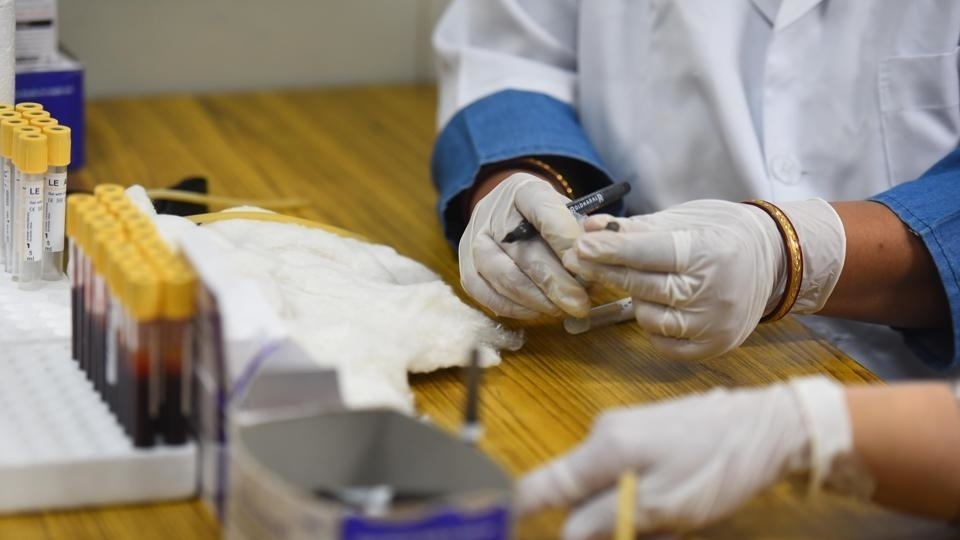
Blood samples are taken from randomly selected people as part of the sero survey to study the scale of undetected infections. Blood samples in a sero survey are tested for the presence of IgG (Immunoglobulin G) antibodies that determine a past infection due to the virus. Sero surveys are important to determine whether a disease has entered the community transmission stage.
Also read | Past Covid infection does not fully protect people against re-infection: Study
A serological survey includes IgG Enzyme Linked Immunosorbent Assay (ELISA) test. It estimates the proportion of the population exposed to Sars-Cov-2 infection. The IgG test is not useful for detecting acute infections but it indicates episodes of infections that has happened in the past. The test is approved by ICMR for its high sensitivity and specificity.
What did past sero surveys in India say?
The earlier sero surveys suggested that a significant size of the population was still susceptible to catching the viral infection, and India was far from achieving herd immunity. The first one was designed as a cross-sectional survey of adults aged 18 years or more from 21 states, where the districts were categorised into four strata according to the reported Covid-19 cases per million population.
Also read | More antibodies in women to fight Covid-19: BMC sero survey
The first sero survey conducted in May last year found the infection rate to be 0.73% nationally. Nearly one in 15 (6.6%) people above the age of 10 were found to be exposed to the virus till August 2020 in the second one. Conducted between December 17, 2020, and January 8, 2021, the third sero survey found 21.4% of those aged 10 and above infected with the virus.
In the second and third rounds, all other parameters were the same except for the age bracket — samples were taken from people aged 10 and above.
When will the fourth national sero survey start?
The Indian Council of Medical Research’s (ICMR’s) fourth round of sero survey to detect the prevalence of Sars-CoV-2 , the virus that causes coronavirus disease (Covid-19), will begin this month in 70 districts in 21 states. Blood samples will also be collected from health care workers in district hospitals of these districts.
States, where the samples will collected for sero survey, include Andhra Pradesh (Krishna, SPSR Nellore, Vizianagram), Assam (Udalguri, Kamrup Metropolitan, Karbianglong), Bihar (Muzaffarpur, Purnia, Begusarai, Madhubani, Buxar, Arwal), Chhattisgarh (Bijapur, Kabirdham, Surguja), Gujarat (Mahisagar, Narmada, Sabar Kantha), Jharkhand (Latehar, Pakur, Simdega), Karnataka (Bengaluru urban, Chitradurga, Kalaburagi), Kerala (Palakkad, Ernakulam, Thrissur), Madhya Pradesh (Dewas, Ujjain, Gwalior), Maharashtra (Beed, Nanded, Parbhani, Jalgaon, Ahmednagar, Sangli), Odisha (Rayagada, Ganjam, Koraput), Punjab (Gurdaspur, Jalandhar), Haryana (Kurukshetra), Rajasthan (Dausa, Jalore, Rajsamand), Tamil Nadu (Tiruvannamalai, Coimbatore, Chennai), Telangana (Kamareddy, Jangaon, Nalgonda), and Uttar Pradesh (Amroha).


