E-Paper



‘Spurious drugs’: Centre cracks down on 18 firms
The Union government cancelled the manufacturing licenses of 18 pharmaceutical companies and scrapped product permissions of three of them as it launched a nationwide crackdown on firms making substandard drugs, people aware of the matter said on Tuesday

 Prefer HTon Google


The Union government cancelled the manufacturing licenses of 18 pharmaceutical companies and scrapped product permissions of three of them as it launched a nationwide crackdown on firms making substandard drugs, people aware of the matter said on Tuesday.
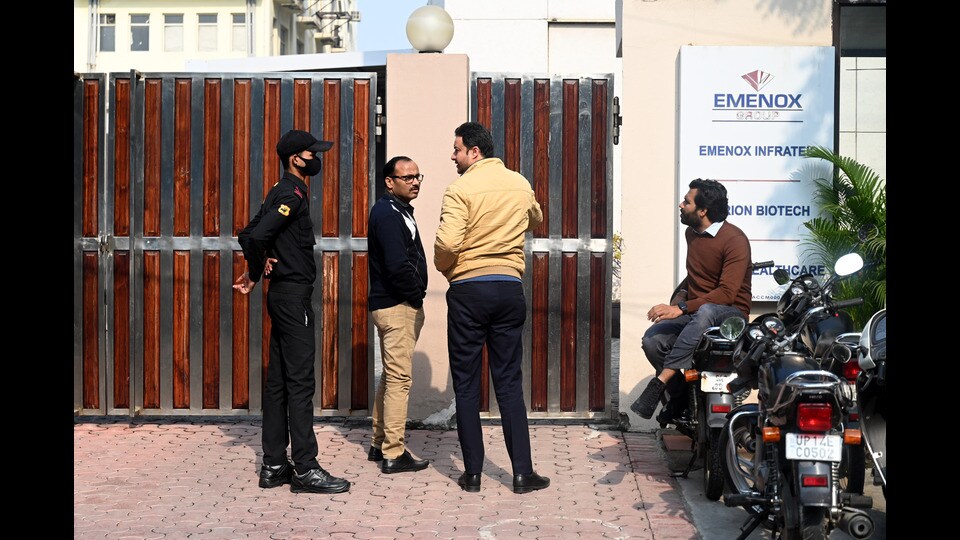
The measure came after two Indian pharma companies, Marion Biotech and Maiden Pharma, were involved in controversies relating to impure products that led to fatalities in countries they exported products to.
The crackdown began two weeks ago and involved the inspection of 76 firms in 20 states, where at least 26 companies were issued notices to explain lapses.
“Product permission of three firms— out of 76 firms inspected — was cancelled as some of their products were found to be violating norms, and 26 show-cause notices were issued to companies who were found to be lacking in compliance of good manufacturing practice,” said a senior government functionary, asking not to be named.
The 20 States where joint inspections were conducted are Andhra Pradesh, Bihar, Delhi, Goa, Gujarat, Haryana, Himachal Pradesh, Jammu & Kashmir, Karnataka, Madhya Pradesh, Maharashtra, Puducherry, Punjab, Rajasthan, Sikkim, Tamil Nadu, Telangana, Uttar Pradesh, Uttarkhand, and West Bengal.
Officials said that as part of the special inspection, 203 pharmaceutical companies have been identified for the joint inspection.
“In the first phase, inspection of 76 pharma companies was conducted. This special inspection drive by the drugs regulators will continue in coming weeks,” added the official cited above.
A majority of the companies are from Himachal Pradesh (70), followed by Uttarakhand (45) and Madhya Pradesh (23).
Tajber Singh, drugs controller, Uttarakhand, said that during the inspection in the state, the medicines of six pharma companies were found to be of substandard quality, following which their product permission was suspended.
“These six pharma companies include two from Haridwar, two from Roorkee and one each from Dehradun and US Nagar districts. They have appealed against the suspension before Central Drugs Laboratory (CDL) which acts as an appellate authority in matters of disputes relating to the quality of drugs”, he said.
According to people familiar with the matter, the joint inspections are a part of heightened pharma surveillance measures that the government is taking after a few incidents were reported globally over the last six months in which several deaths, particularly of children, were reported allegedly due to use of medicines manufactured in India.
On March 22, the Uttar Pradesh Drugs Controlling and Licensing Authority cancelled the manufacturing license of Noida-based pharmaceutical company, Marion Biotech, whose cough syrup was allegedly linked to the death of 18 children in Uzbekistan in December last year.
In February, the Tamil Nadu-based Global Pharma Healthcare recalled its entire lot of eye drop allegedly linked to vision loss in the US.
Another medical alter was issued by WHO on October 5, last year, over four cough syrups — Promethazine Oral Solution, Kofexmalin Baby Cough Syrup, Makoff Baby Cough Syrup, and Magrip N Cold Syrup — manufactured and exported by Maiden Pharmaceuticals that could have possibly linked to 70 deaths of children in The Gambia.
Union health ministry has been working with all stake holders to ensure strict regulatory compliances among pharmaceutical and medical devices companies.
Last month, the health ministry conducted a two-day “Chintan Shivir” (brainstorming camp) with focus on drugs quality regulation and enforcement. The objective of the two-day camp was to review processes and implementation of policies and programmes related to drugs quality and enforcement in the country.
As part of the Chintan Shivir, five broad sessions were planned on the key aspects of drugs manufacturing, sale, distribution and regulations in the country. The first session was on building trust and confidence on quality of drugs, cosmetics, and medical devices in domestic and export markets. The second discussed effective enforcement at the field level; and the other three were focused on Indian pharmacopeia and adherence to its standards, having a unified IT intervention for all regulatory activities, and capacity building of state and national regulators.
“Any action by the regulator to identify gaps in Good Manufacturing Practices that have a direct impact on drug quality is always welcome; better late than never. My concern still remains. This action, its findings and process by which this action was taken remains opaque. There is no transparency in the functioning of the drug regulator. Until that is addressed, my confidence in the actions of the drug regulator remains abysmally low,” said Dinesh S Thakur, pharma expert.
“As citizens, we have a right to know how the drug regulator identified the manufacturers it inspected, what were the reasons for which these 18 were penalized, what were the inspection observations, how critical they were to product quality, what points of failure were observed/documented during the inspection process etc. The drug regulator needs to make its inspection reports public. Only then will we begin to build confidence that the drug regulator is working on behalf of Public Health and not necessarily protecting the industry’s interests.”